

Your cart is empty!

branding withe litgh
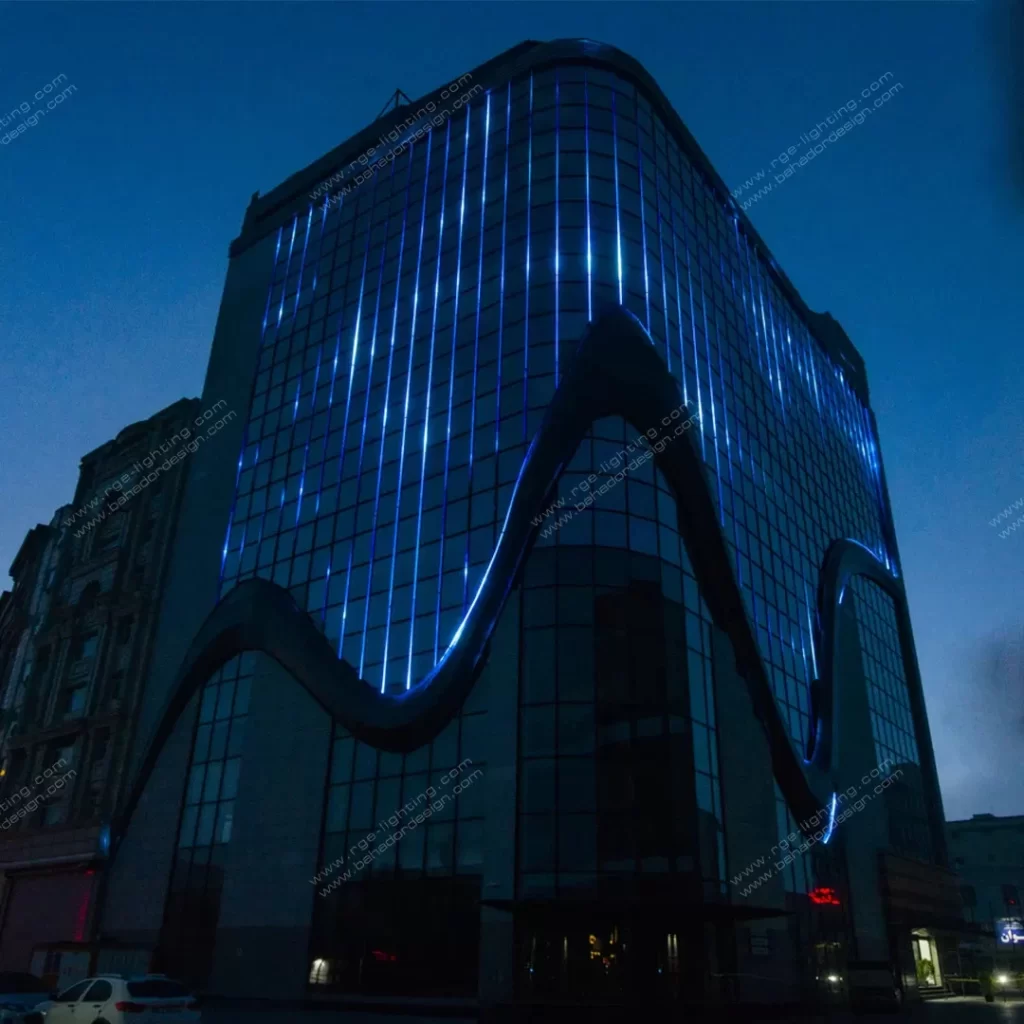
Lighting in interior spaces is a vital element in architecture and interior design, influencing both visual appeal and functionality. Interior lighting design is as important as façade lighting and involves the smart use of light sources to balance natural and artificial light. Its primary goal is to create a comfortable and functional environment that provides sufficient illumination for activities while enhancing the visual experience.
Light within interior spaces can serve different purposes. Ambient lighting provides overall illumination, accent lighting draws attention to specific areas, and decorative lighting enhances the décor and architectural features. Properly combining these types of lighting ensures that a space is optimized both functionally and aesthetically.
In modern interior design, using LED fixtures and smart lighting systems is highly important. These technologies allow control over light intensity and color, improve energy efficiency, and enhance the user experience. The placement of fixtures and the direction of light are also key considerations in lighting design.
By following these principles, interior lighting design can create spaces that are warm, inviting, and efficient. Even small adjustments in lighting can increase comfort, improve mood, and enhance the appeal of interior décor. For this reason, lighting design plays a crucial role in how users experience indoor environments and should never be overlooked.
Interior Lighting Design Services
Interior lighting design for office buildings, combining natural and artificial light, enhances employee productivity and focus while creating a professional and inviting environment.
Interior lighting design for commercial buildings enhances the attractiveness of the environment, improves employee focus, and creates a better shopping experience for customers. Selecting the right lighting and modern fixtures plays a key role in achieving these results.
Interior lighting design in residential buildings creates warm, comfortable, and inviting spaces. The careful selection of ambient and accent lighting enhances both the beauty and functionality of each room.

Proper interior lighting plays a crucial role in creating environments that are both comfortable and functional. Interior lighting design helps regulate light intensity and achieve the right combination of lighting so that spaces are well-illuminated while maintaining visual appeal. This enhances user comfort and satisfaction.
One of the main benefits of good lighting is improved functionality. In workspaces, adequate light reduces eye strain and increases focus, while in residential spaces, proper lighting creates a relaxing atmosphere for rest and daily activities. Therefore, the importance of lighting extends to both the functional and psychological aspects of users.
Correct lighting also highlights interior design elements. Accent and decorative lighting can emphasize artwork, furniture, and architectural details, increasing the overall appeal of the space. Additionally, natural light should be intelligently integrated with artificial lighting to provide optimal illumination throughout the day.
Overall, the significance of interior lighting design goes beyond simply illuminating a space. It creates a balance between functionality, comfort, and aesthetics, enhancing the overall experience of being in an interior environment.
Successful interior lighting design requires adherence to specific principles that align with the type and function of the building.
1. Consider Functional Needs: Each space requires different levels and types of light based on its use. Workspaces need bright, focused lighting, while residential areas benefit from soft, warm light. Following this principle ensures that lighting is both practical and aesthetically pleasing.
2. Balance Natural and Artificial Light: Natural light changes throughout the day and affects colors and the overall ambiance. Interior lighting design should compensate for insufficient natural light with artificial sources while maintaining harmony between the two.
3. Account for Architectural and Design Features: Ceiling height, wall colors, and décor style influence how light is perceived. Accent and task lighting can highlight architectural details and decorative elements, while carefully selected fixtures ensure balanced and optimal light distribution.
4. Ensure Flexibility: Adjustable fixtures and smart lighting systems allow changes in light intensity and color, adapting the space for various activities.
By following these principles, interior lighting design becomes both visually appealing and functionally effective, meeting the needs of users while enhancing the overall atmosphere of the space.

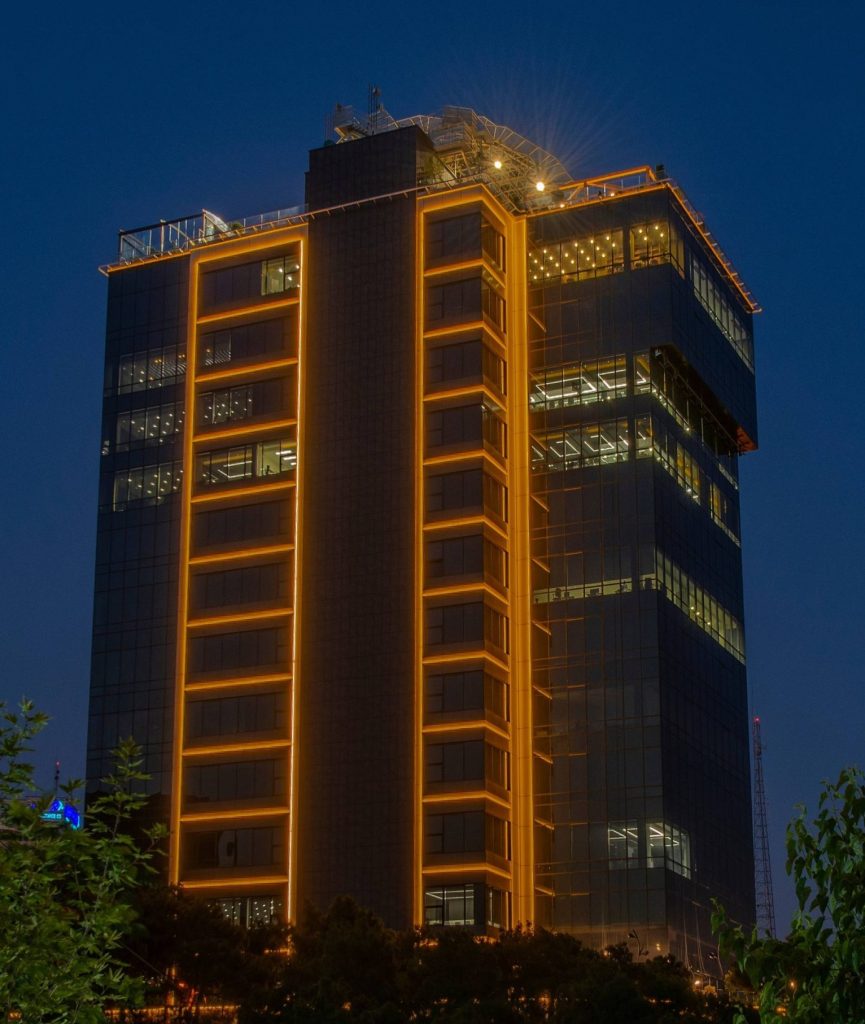
To create a functional and visually appealing interior, understanding the different types of lighting is essential. Ambient, accent, and decorative lighting are the three main categories, each playing a unique role in the visual and functional impact of a space. Ambient lighting provides overall illumination and serves as the foundation of any lighting design.
Accent lighting is used to draw attention to specific areas such as artwork, furniture, or architectural features. When applied thoughtfully, it highlights key elements and enhances the visual appeal of the space. Decorative lighting primarily serves an aesthetic purpose, creating shadows, changing colors, and adding variety to the mood and atmosphere.
In modern design, combining these three types of lighting is crucial. A well-balanced interior lighting design ensures that a space is not only well-lit but also feels inviting and comfortable for occupants. Choosing the right fixtures, light angles, and intensity is key to the success of this combination.
Each environment requires a specific mix of these lighting types based on its function. For example, workspaces benefit from strong ambient light combined with task lighting on desks, while residential spaces often prefer soft ambient light complemented by decorative fixtures. Following these principles ensures that interior lighting is both practical and visually captivating.
Lighting plays a crucial role in creating visual impact and improving the functionality of interior spaces. Proper use of light makes a space feel larger, more inviting, and highly practical. Paying attention to light intensity, color, and angle can highlight different areas, create a sense of depth and volume, and enhance architectural and decorative features. Thoughtful interior lighting design strengthens the overall aesthetic of the space and improves the user experience.
In work environments, adequate lighting reduces eye strain and boosts concentration, while in residential spaces, it creates a calm and comfortable atmosphere for relaxation. Combining ambient, accent, and decorative lighting to meet both functional and aesthetic needs is essential. Selecting suitable fixtures and following proper installation guidelines are also critical factors in enhancing both beauty and functionality.
Light angles, fixture height, and intensity should be carefully calibrated to ensure balanced illumination and highlight key areas effectively. Ultimately, interior lighting design does more than illuminate a space—it elevates the overall experience for its users. By making a space visually appealing and functionally efficient, professional lighting design becomes one of the most important elements of successful interior architecture.
Lighting Design Project’s
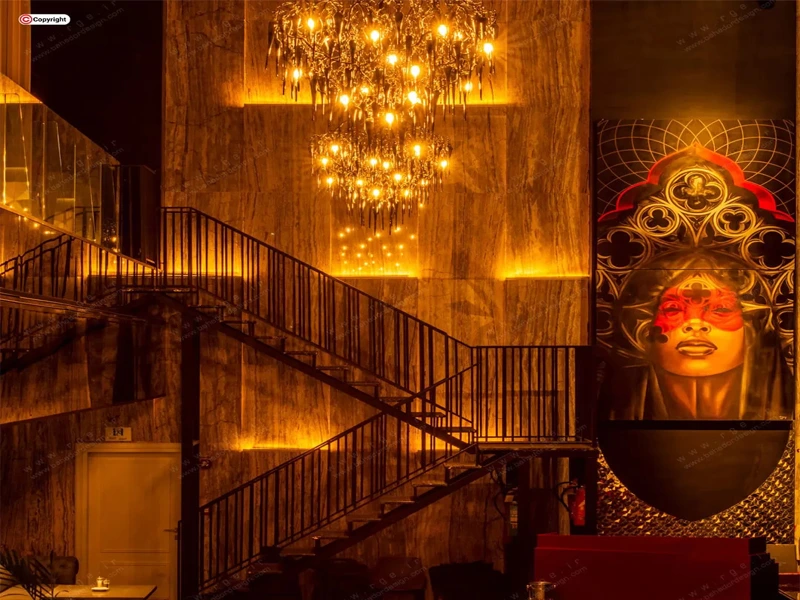
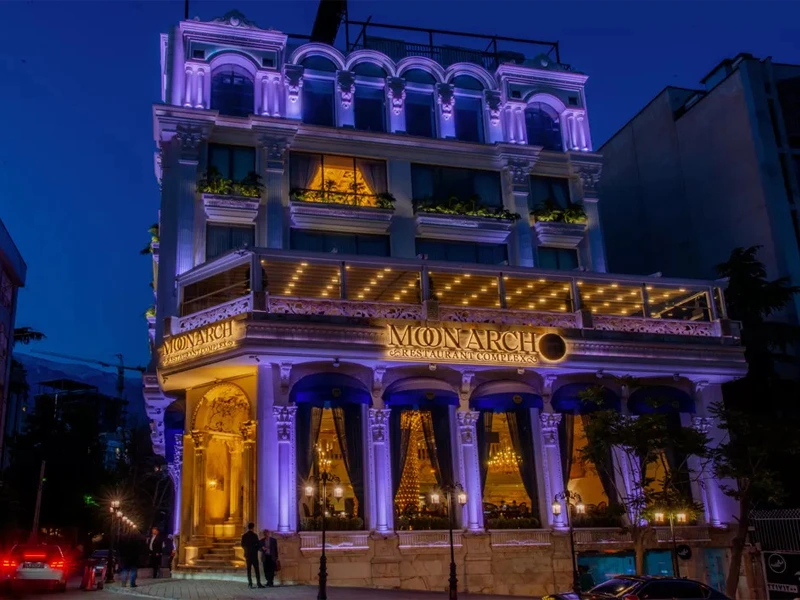
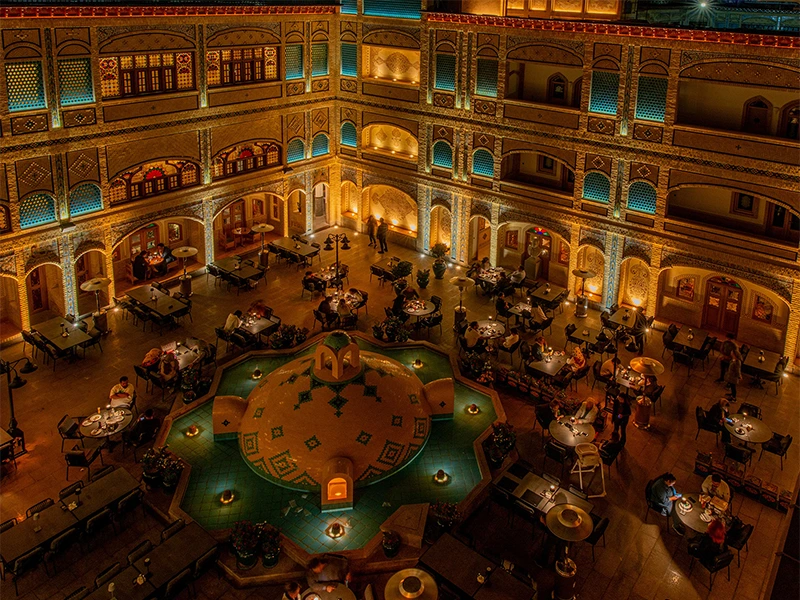
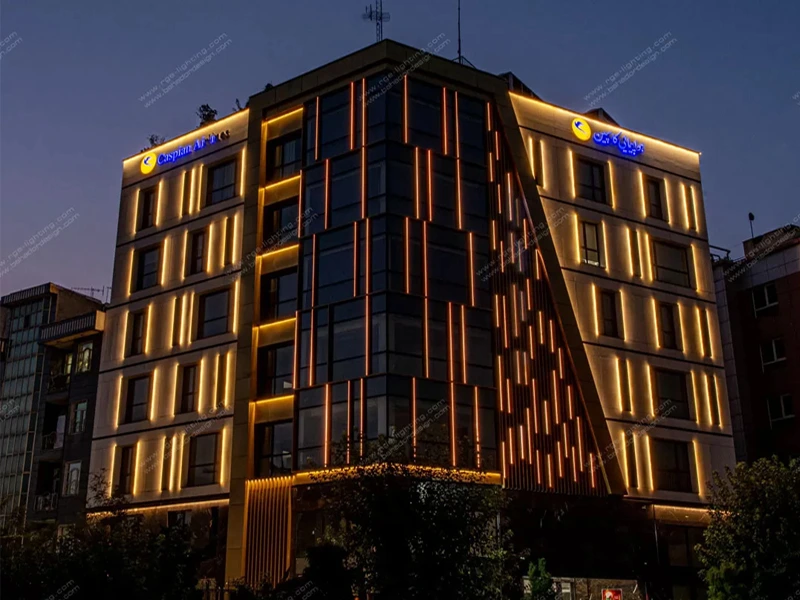
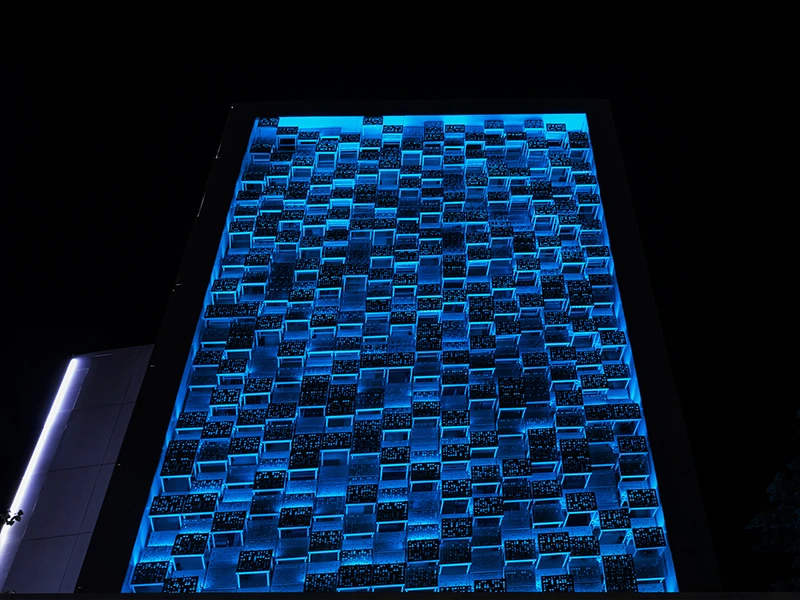
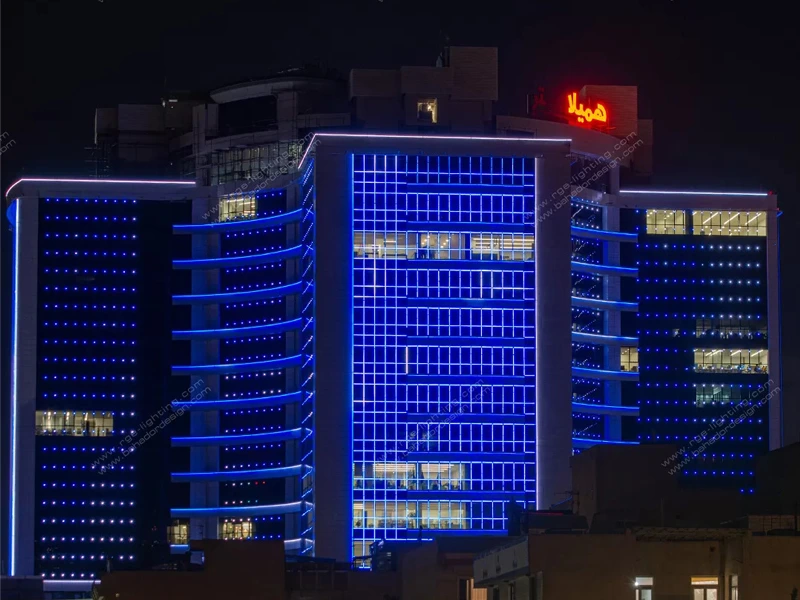
RGE International Company – The Most Reputable Lighting Firm
Choosing the right lighting equipment is one of the most important steps in interior lighting design. Lighting fixtures should not only complement the décor and enhance aesthetics but also deliver reliable performance. LED, track, ceiling, and spotlights are among the most common options, each offering its own advantages and specific applications. Using high-quality, durable equipment ensures long-lasting and trouble-free illumination.
LED lights have become the top choice for interior designers due to their low energy consumption and long lifespan. Their ability to adjust color and brightness adds great flexibility, allowing spaces to maintain ideal lighting conditions for different moods and occasions. Accent and decorative lighting further enhance visual appeal and highlight key design elements.
Beyond choosing the right fixtures, placement and beam angle are equally important. Lighting should be evenly distributed to avoid dark spots or excessive brightness. Smart lighting systems—offering control over brightness, color, and scheduling—are excellent choices for modern interiors.
Ultimately, selecting suitable equipment and following proper installation principles ensure that your interior lighting design is both visually captivating and functionally effective. The right lighting setup creates a warm, harmonious, and inviting atmosphere that perfectly complements your interior décor.
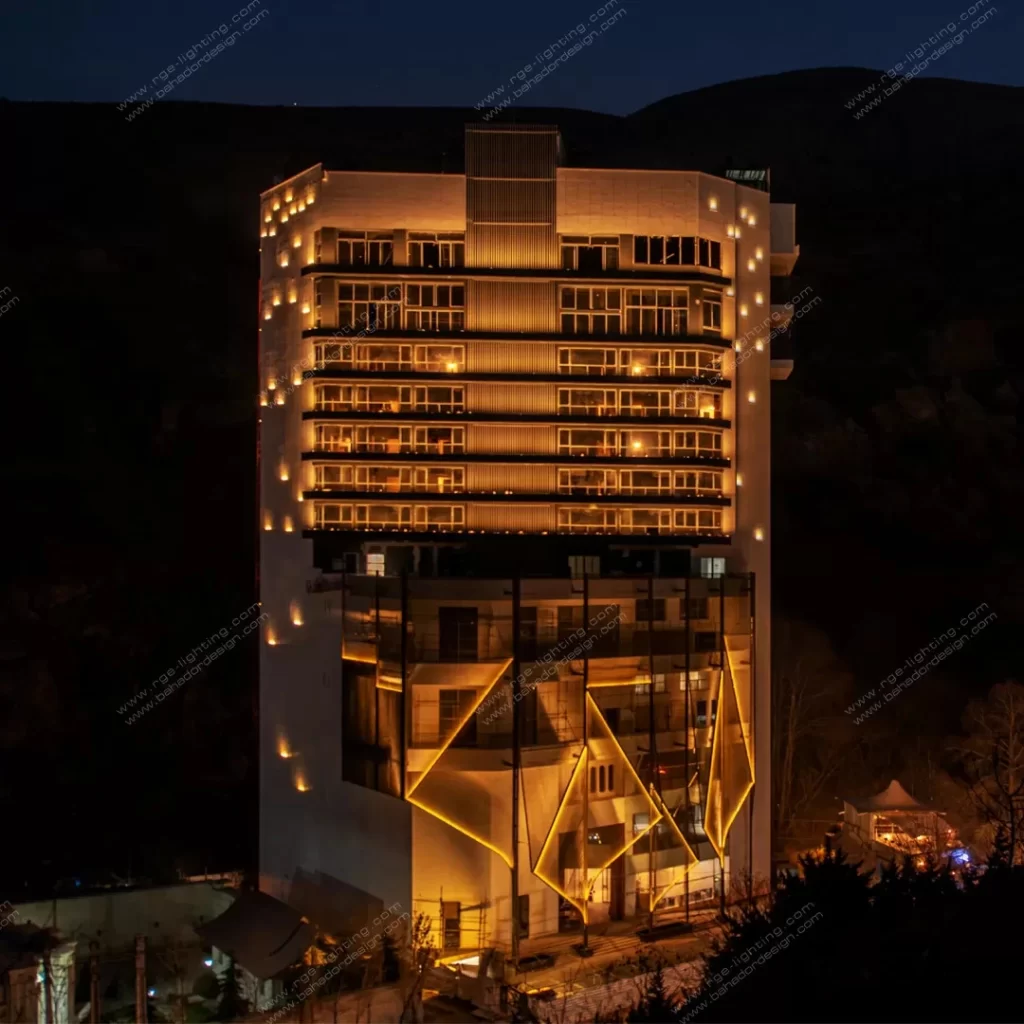
One of the key factors in creating an inviting and functional space is achieving harmony between lighting and interior décor. The right combination of colors, textures, and furniture—enhanced by thoughtful lighting—can elevate the visual appeal of any environment and improve the overall experience within it. A lighting design that aligns with décor principles highlights important elements of the space and brings visual balance.
There are various techniques for blending light with décor. Accent lighting can be used to draw attention to artworks, furniture, or architectural details, making the space’s features more pronounced. The color temperature of the light also plays an important role: warm light creates a sense of comfort and intimacy, while cool light works better for modern or task-oriented spaces.
The way light and shadow interact is another crucial aspect. Lighting that complements the texture of walls, floors, and ceilings creates a natural and pleasing atmosphere. Adjustable fixtures and smart lighting systems allow control over light intensity and direction, making the space adaptable for different activities and moods.
Ultimately, the smart integration of lighting and décor not only enhances the aesthetic appeal of an interior but also improves its functionality. When lighting and design work together, the result is a space that feels comfortable, elegant, and deeply engaging.
Designing lighting for small interiors requires precision and creativity. The right lighting can make a space appear larger, brighter, and more inviting. Using multiple light sources and smartly combining ambient and accent lighting helps eliminate dark corners and visually expand the room. Interior lighting design in compact spaces is especially important, as even subtle changes in light can greatly influence the overall atmosphere.
Ceiling fixtures, linear lights, and track lighting are ideal choices for small areas because they distribute light evenly and illuminate every corner. Soft white lighting helps create a calm, bright environment while preventing harsh shadows.
Integrating natural and artificial light is another key factor. Windows and daylight should be utilized to their fullest potential, with artificial lighting complementing them to ensure consistent brightness throughout the day. Smart lighting systems with adjustable brightness are also excellent solutions for managing light levels in small spaces, allowing you to adapt the mood and functionality as needed.
Ultimately, following professional principles in small-space lighting design ensures that the environment feels both bright and spacious. Thoughtful lighting enhances comfort, improves aesthetics, and makes every corner of the space come alive with balanced illumination.
In many interior design projects, neglecting proper lighting principles can lead to issues that affect both the functionality and aesthetics of a space. One of the most common mistakes is using either too much or too little light, which can create dark spots or overly bright areas. Interior lighting design should ensure a balanced distribution of light throughout the space to prevent eye strain and maintain visual comfort.
Choosing the wrong lighting fixtures is another frequent error. Inefficient lamps, uneven lighting, or fixtures that clash with the décor can diminish the room’s overall appeal. Harsh lighting or unsuitable color temperatures can alter the ambiance and negatively impact the user experience.
Another common oversight is failing to blend natural and artificial light effectively. Natural daylight should be treated as the primary light source, while artificial lighting should complement it without casting unwanted shadows. Similarly, ignoring accent or decorative lighting can make architectural details and décor elements less noticeable.
Finally, lack of flexibility in lighting design is a frequent mistake. Interior spaces require adjustable lighting levels for different activities and moods. Ignoring this need can reduce both the practicality and beauty of a space. By understanding and avoiding these common pitfalls, interior lighting design can become both visually appealing and highly functional, enhancing the overall experience of the environment.
Incorporating creative ideas into interior lighting can make any space unique, appealing, and highly functional. Innovatively combining ambient, accent, and decorative lighting can enhance the visual appeal of a room and improve the overall user experience. Creative interior lighting allows you to highlight key areas and create a distinctive atmosphere.
Using dynamic light colors, modern pendant lights, and hidden lighting in ceilings or walls are some of the most engaging ideas for both residential and office spaces. These techniques distribute light artistically throughout the environment, giving different areas of the room their own visual character.
Smart and adjustable lighting is another innovative solution. By changing light intensity and color according to the time of day or activity, you can set the mood and functionality of the space to match the situation. This approach ensures the environment remains attractive, practical, and adaptable at all times.
Ultimately, applying creative ideas in interior lighting design not only enhances the beauty and appeal of a space but also improves its functionality. Combining innovation with solid lighting principles results in an interior that is both practical and inviting, providing a satisfying experience for all who use it.
Achieving successful interior lighting requires a systematic and professional approach to every stage of the design process. The first step is a thorough analysis of the interior space. Dimensions, function, color schemes, and décor style should be carefully examined to determine the most suitable lighting for each environment. Interior lighting design should simultaneously meet both functional needs and aesthetic goals, enhancing the overall experience within the space.
The next step is selecting the right type of lighting and fixtures. Combining ambient, accent, and decorative lighting creates a balance between overall illumination and the visual emphasis of details. Using LED lights, track systems, and adjustable lighting allows you to modify intensity and color according to activities and time of day. This flexibility is one of the key elements of professional lighting design.
Proper placement of light sources and attention to beam angles is also crucial. Light should be evenly distributed, unwanted shadows minimized, and important areas adequately highlighted. Smart integration of natural and artificial light ensures that the environment remains bright, inviting, and comfortable for users.
Ultimately, adhering to both technical and artistic principles ensures that interior lighting is not only visually appealing but also practical and efficient. By following this guide, residential, office, and commercial spaces can be professionally illuminated, creating environments that are harmonious, inviting, and perfectly aligned with interior décor.
برای ورود به سایت ایمیل یا شماره موبایل خود را وارد کنید.
کد تایید در دمو 11111 است.
Your cart is empty!
Copied to clipboard