

Your cart is empty!

branding withe litgh
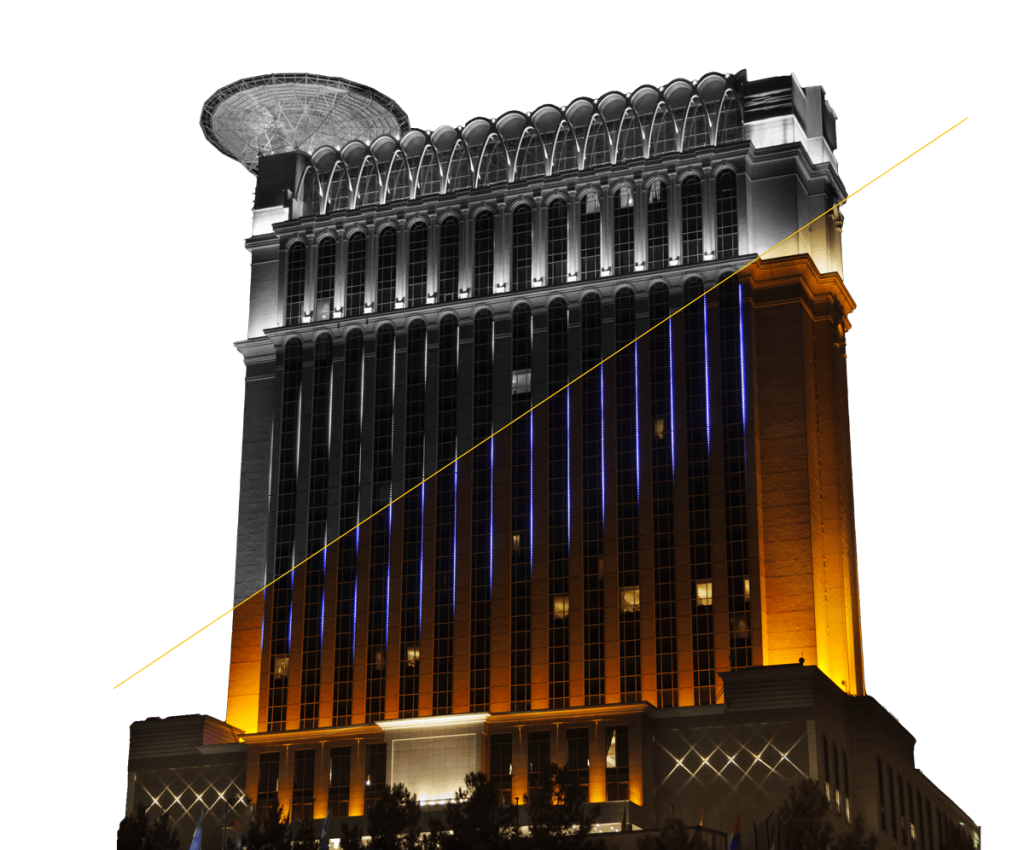
Hassan Bahadori, CEO of RGE Lighting and a renowned lighting designer, holds an advanced degree from Hochschule Wismar University in Germany. With over 30 years of experience in architectural and spatial lighting design across Iran and the Middle East, he has established himself as a leading figure in the field. Through iconic projects such as the Nilper Building and Opal Shopping Center, he has demonstrated that lighting can transcend mere illumination—it can tell a story of emotion, identity, and architecture.
If you seek a seamless blend of art and science in lighting design, RGE is your professional and creative choice.
Facade lighting design goes far beyond simply illuminating a surface. A professional lighting designer combines creativity and technical expertise to transform the building façade into a defining element of identity. In this type of lighting design, the careful selection of light intensity, angle, and color plays a crucial role in highlighting architectural details and ensuring that the building stands out prominently at night.
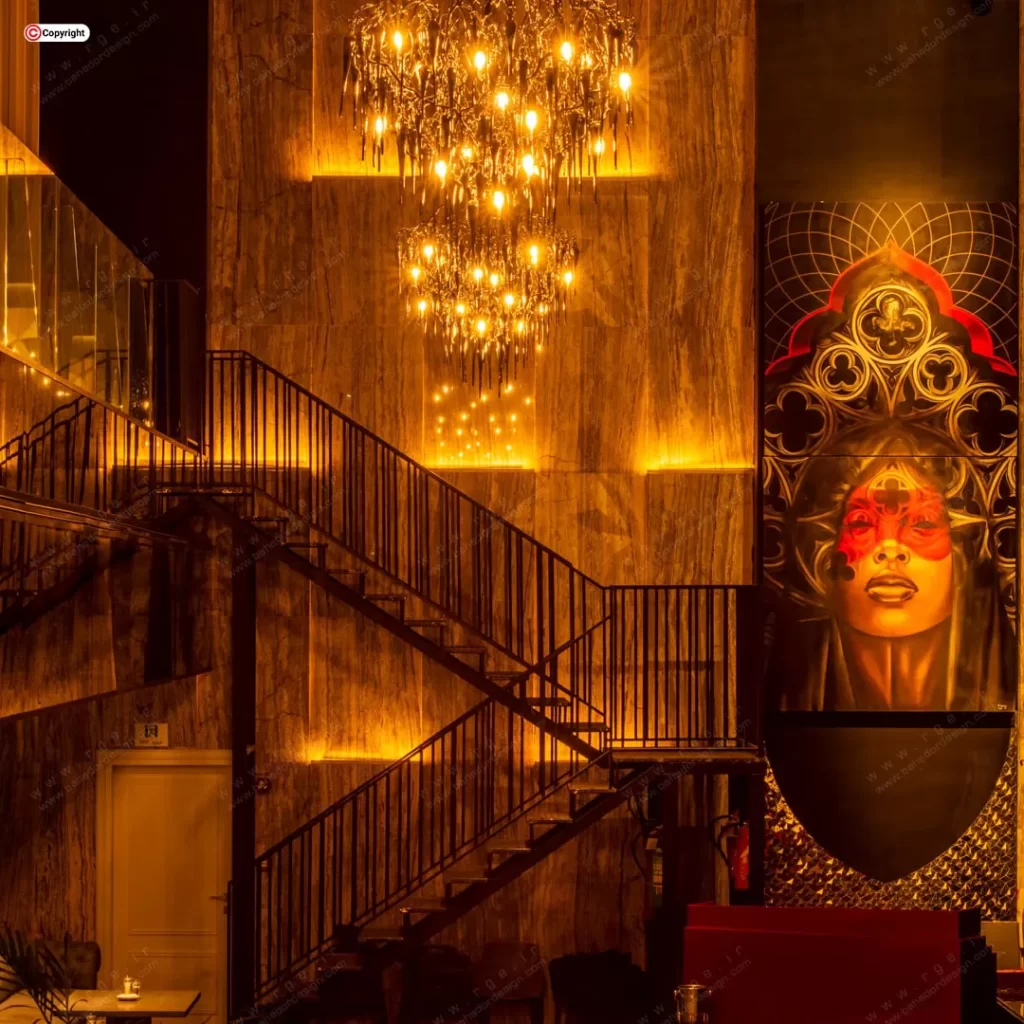
In interior spaces, lighting design serves a purpose beyond illumination — it is one of the key elements in shaping the atmosphere and emotional experience of the environment. A skilled lighting designer, with an understanding of architecture and spatial psychology, applies light according to the function of each space — from creating a sense of calm at home, to enhancing focus in workplaces, or crafting unique experiences in retail and restaurant environments.
Open areas such as gardens, courtyards, parks, and walkways require the vision of a creative lighting designer to enhance not only visibility but also the beauty and safety of the environment. In landscape lighting design, the use of concealed lights among plants, pathway fixtures, and smart lighting technologies creates an inviting yet functional atmosphere.
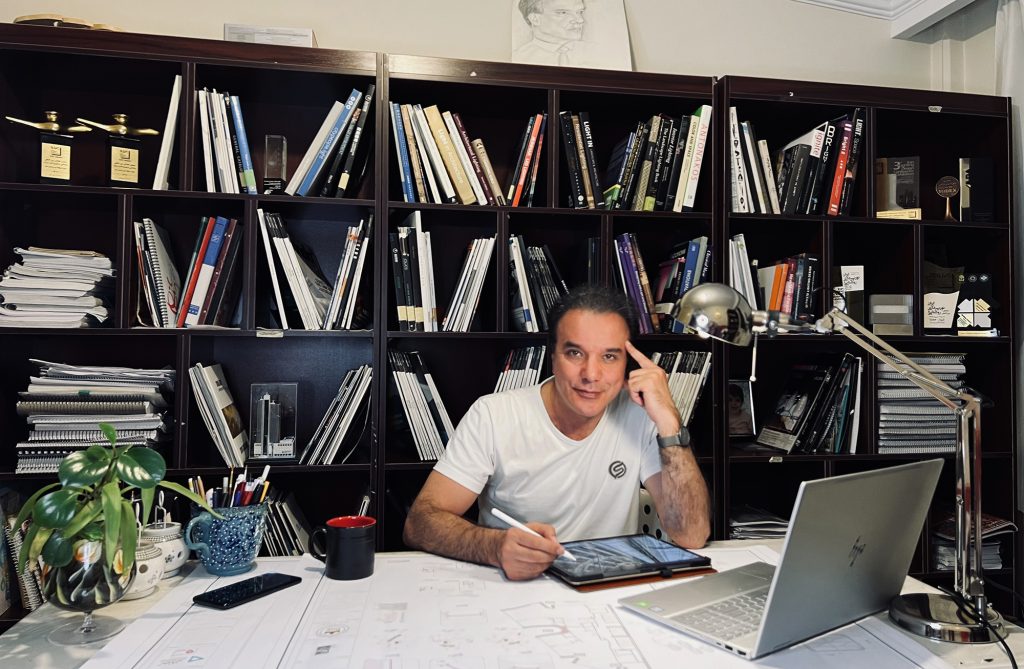
Hassan Bahadori is one of Iran’s most prominent lighting designers, with over three decades of experience in architectural lighting. According to the Professional Lighting and Illumination Association, he holds a Bachelor’s degree in Electrical and Electronics Engineering from K. N. Toosi University of Technology and a Master’s degree in Architectural Lighting and Design Management from Hochschule Wismar University in Germany. His professional career includes designing lighting for major national and international projects, as well as managing RGE Lighting.
Hassan Bahadori has received numerous international awards, including winning the darc awards in the Exterior Lighting category (2019) and ranking first in the Asia Excellent Awards in 2018. He also achieved first place in the Middle East Lighting Awards by LUX Middle East in 2016 and fourth place worldwide in Landscape Lighting according to the darc awards in 2018. These accomplishments highlight his mastery of lighting techniques and his ability to balance the art and science of illumination.
As the founder and CEO of RGE Lighting, Hassan Bahadori provides comprehensive services in façade, interior, and landscape lighting design. More information about his projects and portfolio can be found on bahadordesign.com and through RGE Lighting. Collaborating with such a professional lighting designer can bring a transformative impact to architectural and interior projects.
This specialized article explores the importance of lighting design, its definition, applications, and techniques, along with an introduction to professional lighting designer Hassan Bahadori. The aim of this guide is to raise awareness about the principles of lighting and provide key insights on using light as a fundamental element in architecture and interior design.
Light is one of the most fundamental elements in our perception of space and architecture. Without it, form, color, and texture lose their meaning. In architectural and interior design projects, lighting design involves engineering and directing light to create a balance between aesthetics and functionality. Intelligent use of light can add depth and height, highlight focal points, transform tight spaces into inviting environments, and enhance both the mood and productivity of occupants. Moreover, proper lighting ensures that architecture is fully appreciated and directly impacts the human experience within built spaces. This article aims to provide a comprehensive overview of lighting design principles, types, applications, and techniques, as well as an introduction to the internationally acclaimed lighting designer Hassan Bahadori.
Lighting design is a strategic approach to enhancing a space through light, aiming to create a balance between aesthetics, functionality, and comfort. In a comprehensive definition, lighting design involves the deliberate use of light to enhance the visual appeal, performance, and atmosphere of a space. This process includes selecting and positioning various light sources to achieve balance, highlight key features, and support the intended use of the environment. Key factors such as illumination levels, color temperature, and light distribution play a critical role. By combining natural and artificial light, a lighting designer shapes human perception and emotion, ultimately improving the overall spatial experience.
Layered Lighting: Integrating three layers of light — ambient, task, and accent — creates depth and flexibility.
Appropriate Illumination Levels: Light levels should match the activity to prevent glare or insufficient lighting.
Color Temperature and Light Control: Selecting the right color temperature for the space (warm light for relaxation, cool light for focus) and using smart control systems provides the necessary flexibility.
Balance of Natural and Artificial Light: Utilizing natural light to enhance mood and reduce energy consumption, alongside adjustable artificial lighting, is essential.
Suitability for Space Function: Each space has different lighting requirements; for example, lighting a living room differs from lighting a building façade. Consulting with the client about the intended use and desired atmosphere is the first step in design.
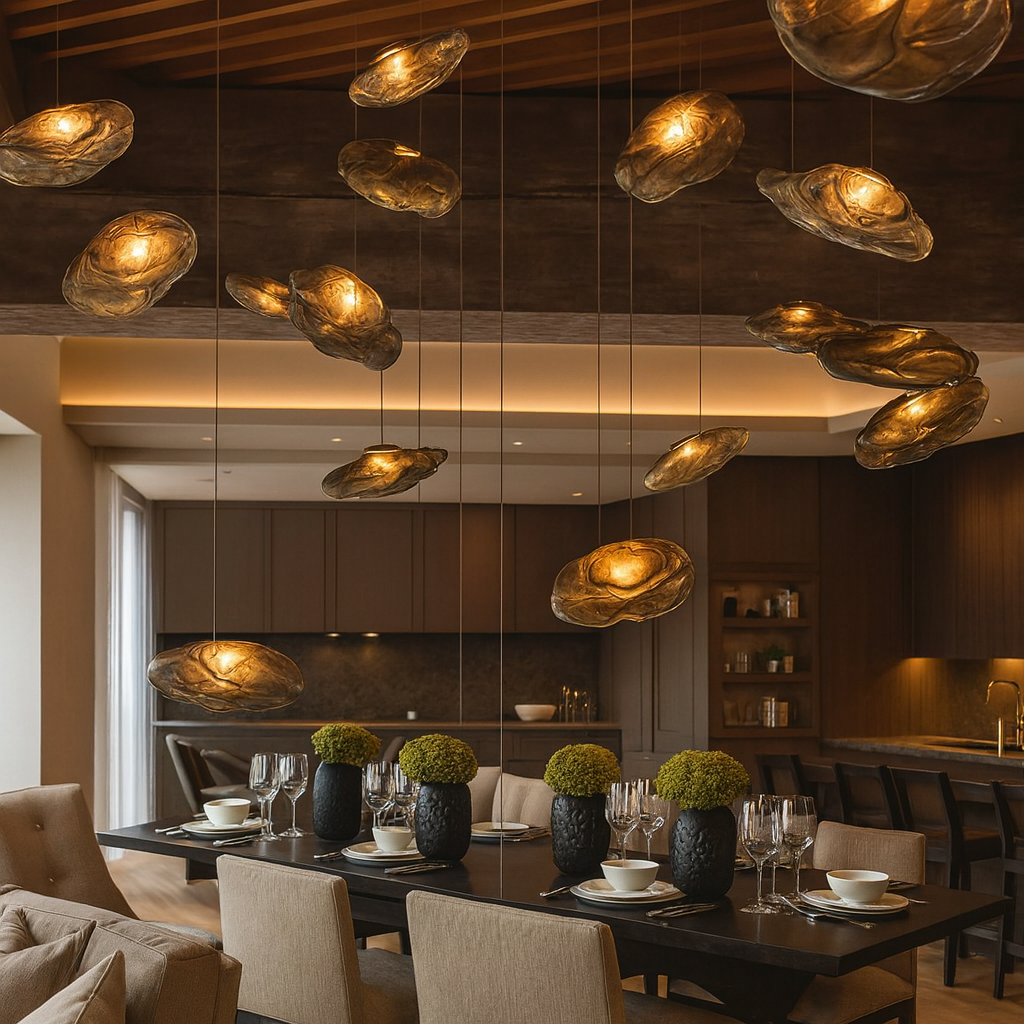
Ambient Lighting is the most fundamental layer of light, providing overall illumination for a space. This type of lighting is typically achieved through ceiling fixtures, concealed lights, or windows, ensuring even light distribution without creating harsh shadows. Ambient lighting should have intensity and color temperature appropriate to the space’s function.
Ambient lighting is the most basic layer of light, providing general illumination for a space. It is typically achieved through ceiling fixtures, hidden lights, or windows, ensuring even light distribution without creating unwanted shadows. Ambient lighting should have intensity and color temperature that are appropriate for the intended use of the space.
Accent lighting is used to highlight architectural or artistic elements, adding depth and dimension to a space. Track lights, wall sconces, and spotlights are common sources of accent lighting. In commercial building façade lighting, accent lights are often employed, and their intensity is typically recommended to be three times that of ambient lighting to achieve the desired impact.
Decorative lighting not only provides illumination but also serves as a design and aesthetic element. Chandeliers, pendant lights, and artistic wall sconces are examples of decorative lighting that can shape the character of a space. A lighting designer must coordinate this layer with other lighting layers to maintain visual balance.
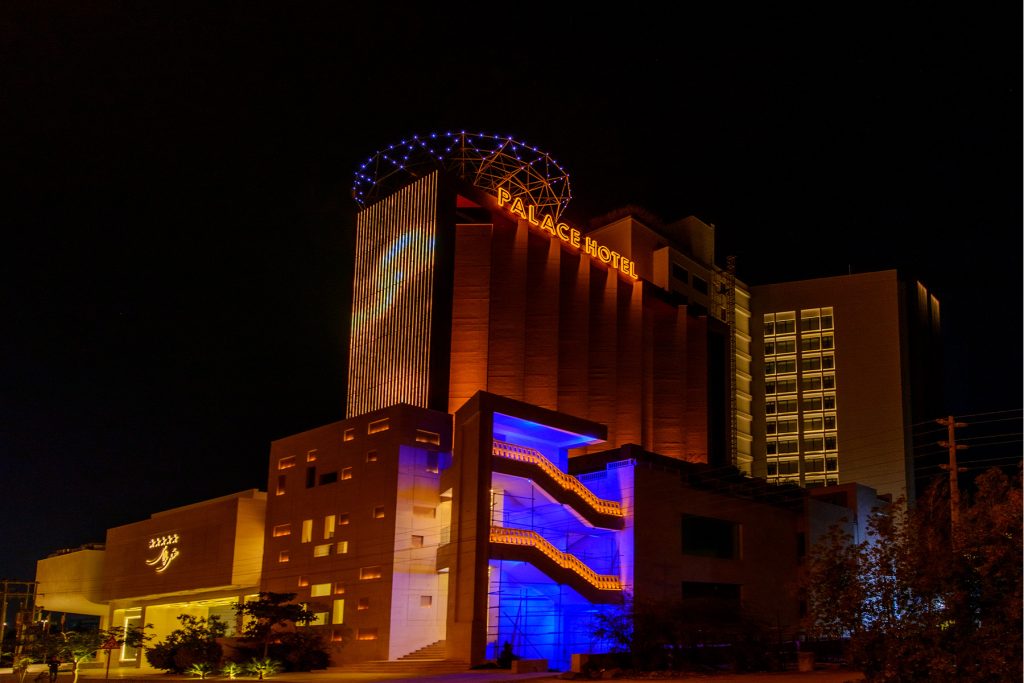
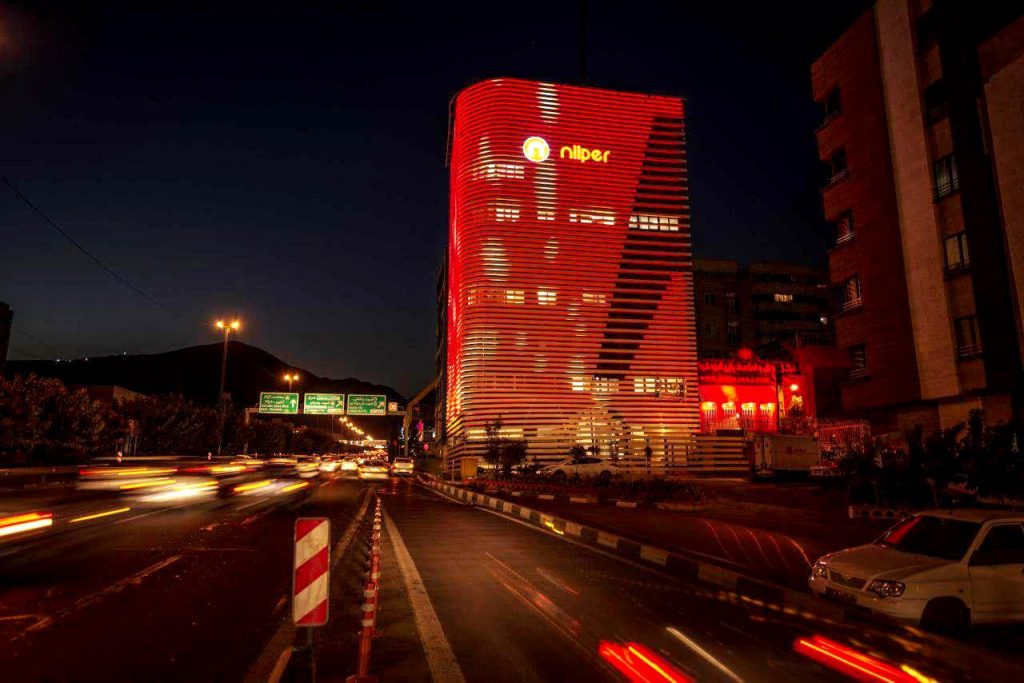
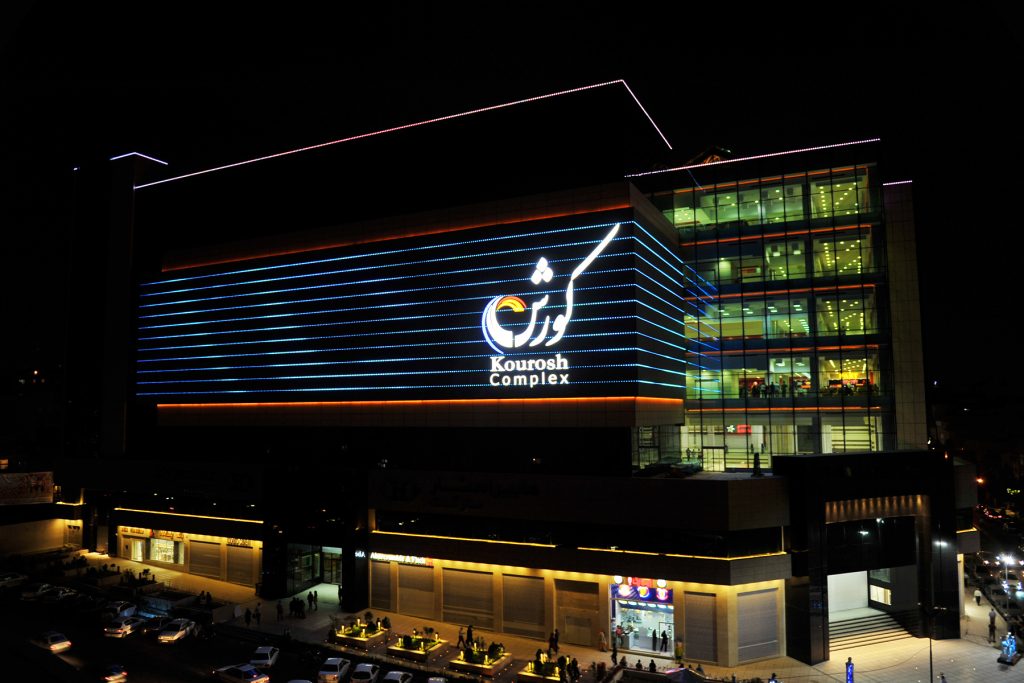
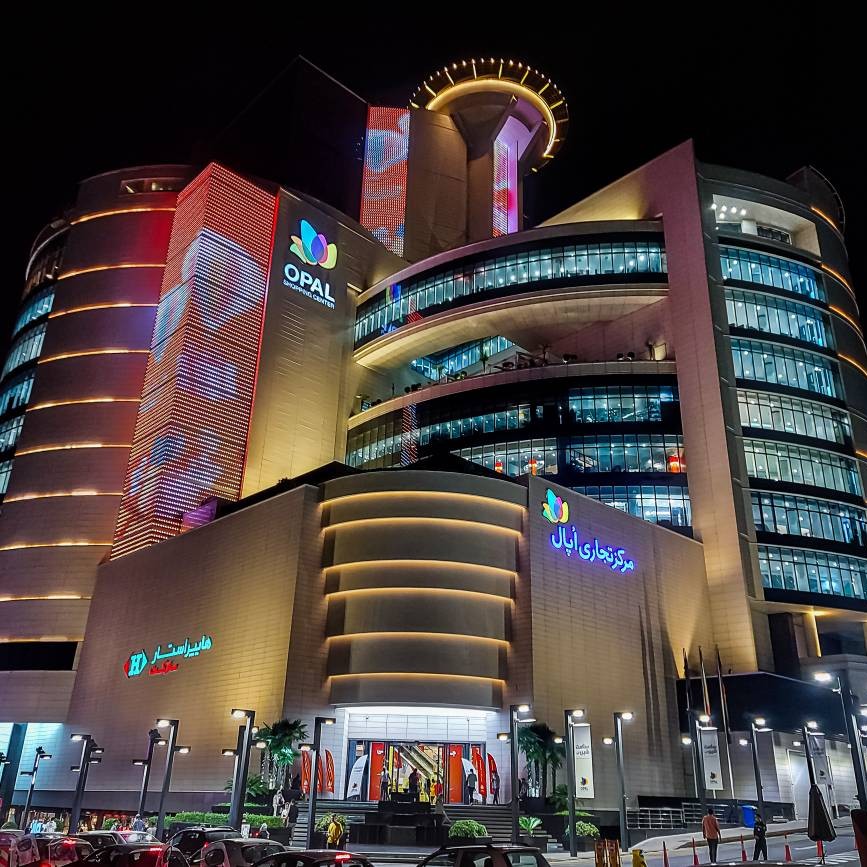
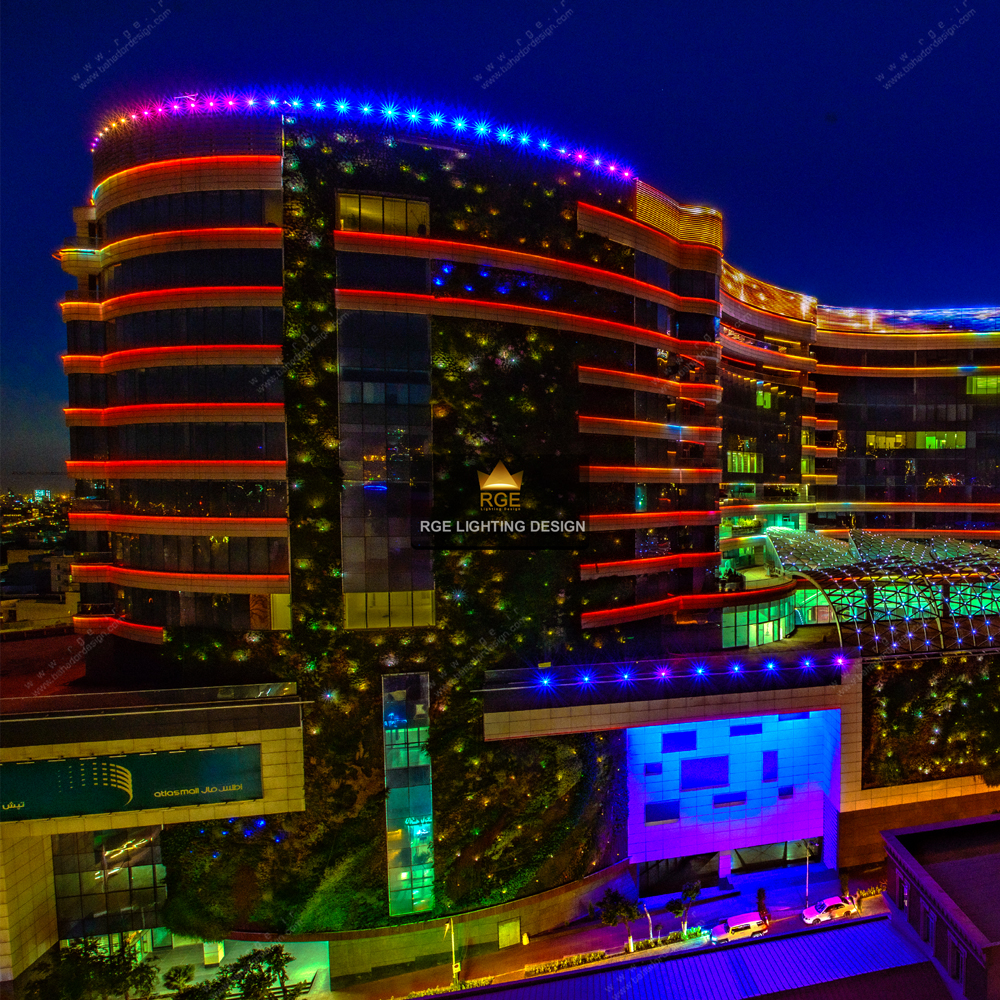
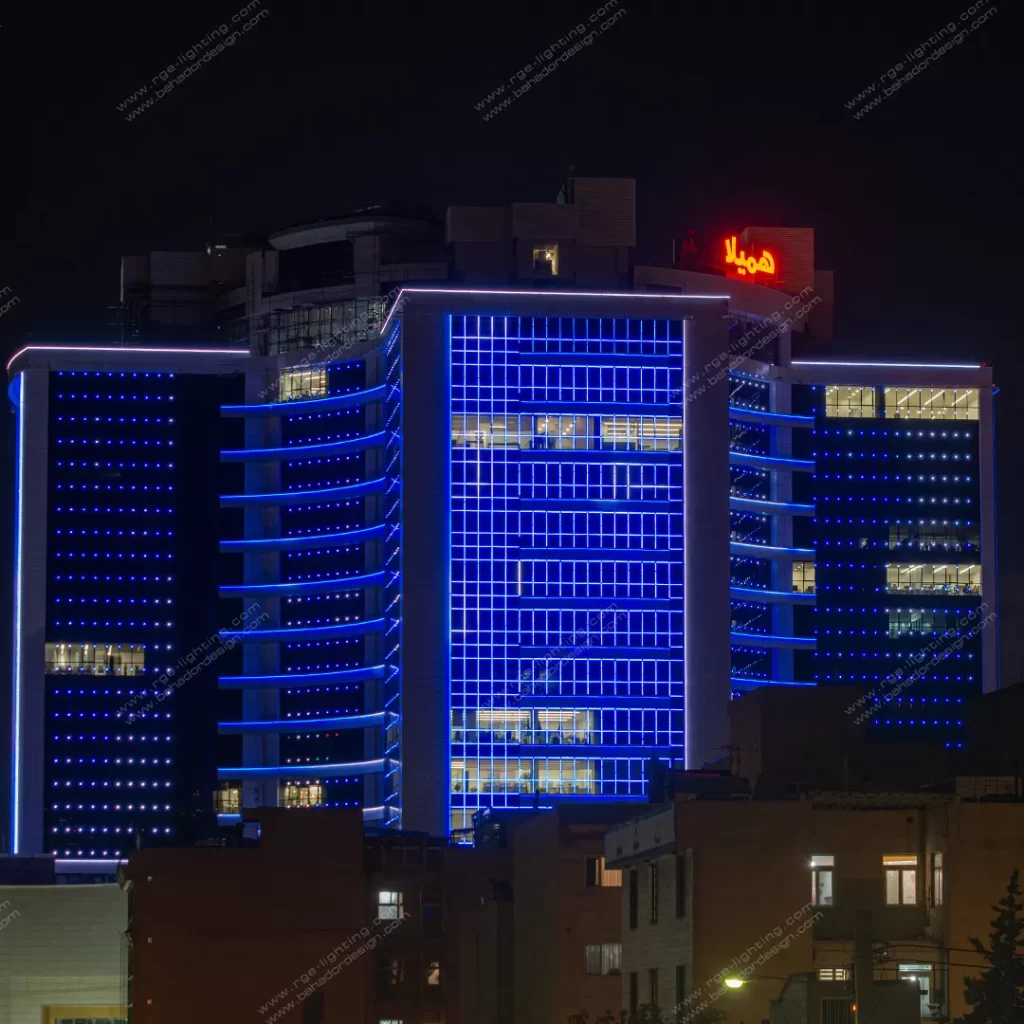
Lighting design goes beyond simply illuminating spaces; it is both an art and a science that enhances spatial experience, evokes emotions, and improves functionality. From the precise definition of lighting design to layering different types of light, the role of natural and artificial lighting, applications across various spaces, advanced techniques, and finally, the introduction of professional lighting designer Hassan Bahadori, this article aims to provide a comprehensive perspective on the subject.
Key takeaways includ
Importance of Layered Lighting: Combining ambient, task, accent, and decorative lighting produces the most effective results.
Attention to Natural and Artificial Light: Optimal use of natural light, integrated with appropriate artificial lighting, not only enhances mood and well-being but also reduces energy consumption.
Specialized Lighting Techniques: Techniques such as downlighting, uplighting, wall-washing, and spotlighting allow designers to create varied and impactful effects.
Sustainability and Technology: Selecting energy-efficient light sources, using smart control systems, and considering quality indicators like CRI and color temperature are essential for sustainable lighting design.
Value of a Professional Lighting Designer: Collaborating with experts like Hassan Bahadori, who combine scientific knowledge with artistic experience, ensures lighting designs meet international standards and achieve prestigious awards.
Light is the language of architecture, and successful lighting design can tell an unparalleled story of space. When planning a project, do not underestimate the importance of light, and leverage the expertise of professional lighting designers to achieve creative and outstanding results.
RGE International Company – The Most Reputable Lighting Firm
Natural and artificial light each affect human perception and psychology differently. Natural light promotes feelings of happiness and vitality, and careful planning of windows and skylights can optimize sunlight within a space. Lack of natural light during colder seasons can negatively impact mood. Conversely, artificial lighting must be carefully designed in terms of intensity, color, and placement; poor artificial lighting may cause eye strain or disrupt sleep patterns, while well-designed artificial lighting makes a space attractive and functional.
Residential lighting should balance comfort and functionality. Even ambient lighting (such as recessed ceiling lights), combined with task lighting in kitchens or work desks and accent lighting for artwork or shelves, makes living spaces both beautiful and practical. Adjustable (dimmable) lighting allows occupants to tailor light levels to activities and time of day. Additionally, providing sufficient natural light and controlling it with curtains or movable partitions enhances relaxation and connection to nature.
In offices and commercial environments, lighting plays a crucial role in productivity and branding. According to Easy Render, proper lighting helps people see better and appreciate architectural features, while influencing well-being and mood. A combination of strong task lighting on workstations, soft ambient light, and accent lighting on logos or products creates a professional and inviting environment. Attention to natural light through windows and skylights also reduces energy consumption and boosts employee morale.
In retail and dining spaces, lighting serves as a marketing tool. Accent lighting on products or tables draws customer attention, while warm ambient lighting creates a welcoming atmosphere. According to Alcon Lighting’s façade lighting guide, façade lighting should align with the building’s purpose. In restaurants, façades can be warm and inviting, while in retail stores, lighting should match brand identity. Additionally, façade lighting highlights architectural features and creates a nighttime impact.
Hotels require varied lighting to enhance guest experiences. Soft lighting in lobbies creates a sense of calm, while task lighting in rooms facilitates reading and work. In public areas, accent lighting on artwork or decorative plants adds luxury and creates memorable spaces.
Outdoor lighting, such as for office building façades, provides safety, aesthetics, and conveys the building’s identity. According to Alcon Lighting, façade lighting emphasizes architectural elements and communicates the building’s history and purpose. For example, hospitality projects may use warm, inviting light; luxury restaurants favor subtle, decorative lighting; and retail façades should reflect the brand. Proper light levels, attention to light pollution, and pedestrian safety are also critical. Techniques such as linear lights, wall washers, and graze lights are recommended to create wall-washing effects or highlight textures.
Lighting design in green spaces serves both functional and aesthetic purposes. Path and stair lighting ensures safety, while accent lighting on trees or sculptures makes outdoor spaces attractive and dramatic at night. Using energy-efficient, environmentally friendly light sources such as LEDs helps reduce energy consumption and minimize light pollution.
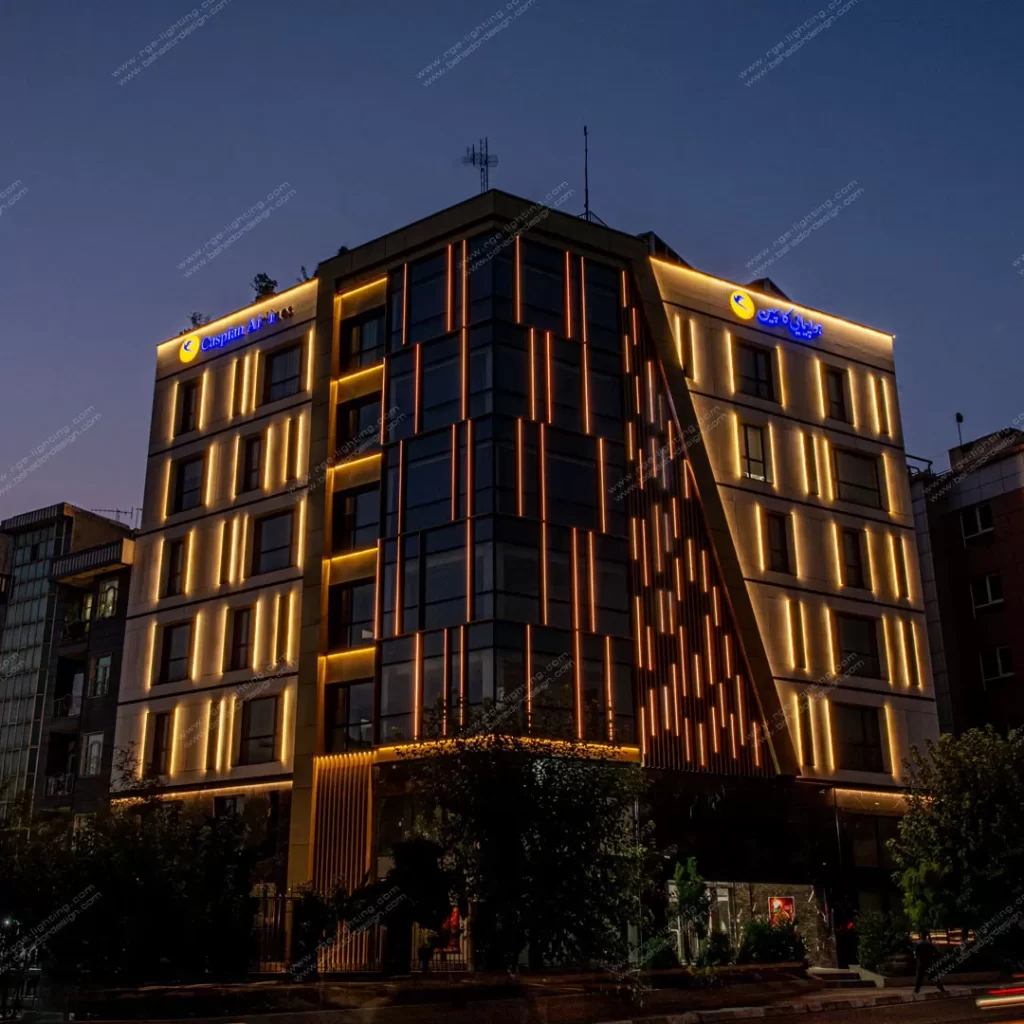
Several key lighting techniques are highlighted below:
Downlighting: Installing a light source above an object to provide direct illumination. This method brightens the space but can create unwanted shadows on faces, so it should be combined with ambient lighting.
Uplighting: Placing a light source on the floor and directing light upward. This technique reflects light onto ceilings or higher surfaces, creating a dramatic effect.
Wall Grazing: Positioning light close to a wall to emphasize texture and shadows. This technique is ideal for showcasing materials like stone or wood.
Wall Washing: Providing uniform illumination on a wall by placing the light source at an appropriate distance from the surface. This method creates a soft, shadow-free background.
Spotlighting: Focusing light on a specific object or area to draw attention.
Perimeter Lighting: Illuminating the boundaries of a space to make it appear larger and create a sense of expansiveness.
In addition to these techniques, technical features such as color temperature, Color Rendering Index (CRI), and beam angle are essential for achieving the desired effect. Color temperature (1,000–10,000K) conveys a sense of warmth or coolness: warm light (2,700K–3,500K) creates a cozy atmosphere, while cool light (4,000K–5,000K) generates a dynamic and focused environment
In addition to these techniques, technical factors such as color temperature, Color Rendering Index (CRI), and beam angle are essential for achieving the desired effect. Color temperature (1,000–10,000 K) conveys a sense of warmth or coolness: warm light (2,700K–3,500K) creates a cozy and inviting atmosphere, while cool light (4,000K–5,000K) produces a dynamic and focused environment. CRI measures the accuracy of color representation; a high CRI ensures that colors appear more vivid and true to life. Beam angle determines how wide or concentrated the light is.
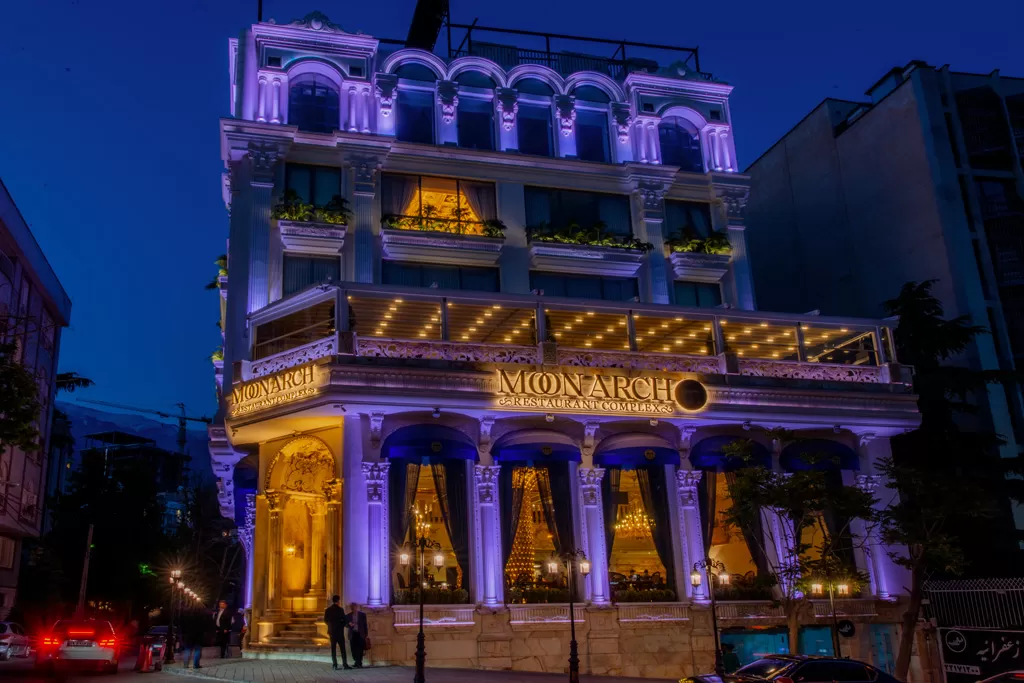
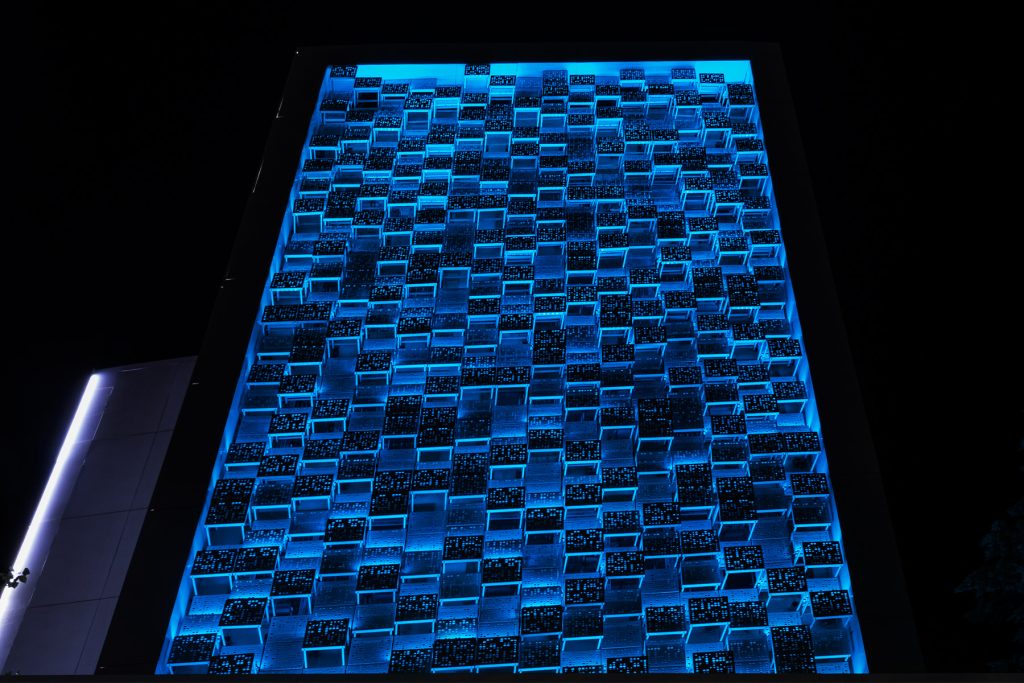
The use of modern technologies in lighting not only improves light quality but also reduces energy consumption. According to Easy Render, designers should consider both energy efficiency and environmental impact. Utilizing energy-efficient light sources such as LEDs and smart lighting control systems can significantly lower energy use. Incorporating occupancy sensors, dimmers, and intelligent systems allows lighting to adapt to actual needs, minimizing wasted light. Additionally, selecting high-efficiency fixtures with appropriate CRI, combined with natural light design, forms the foundation of sustainable contemporary lighting.
In interior design projects, a lighting designer can elevate a space by layering light and applying the techniques mentioned above. For instance, John Cullen Lighting emphasizes the importance of combining different types of lighting: simultaneously using downlights, uplights, concealed lights, and decorative fixtures to create depth, establish focal points, and meet functional requirements. This approach has become a standard in both residential and commercial projects.
In exterior and façade lighting projects, combining wall washing and wall grazing with RGBW colored lighting can transform a building’s appearance into an artistic masterpiece at night. Public spaces such as parks also benefit from accent lighting on trees and sculptures, while linear pathway lighting ensures both safety and visual appeal.
برای ورود به سایت ایمیل یا شماره موبایل خود را وارد کنید.
کد تایید در دمو 11111 است.
Your cart is empty!
Copied to clipboard