

Your cart is empty!

branding withe litgh
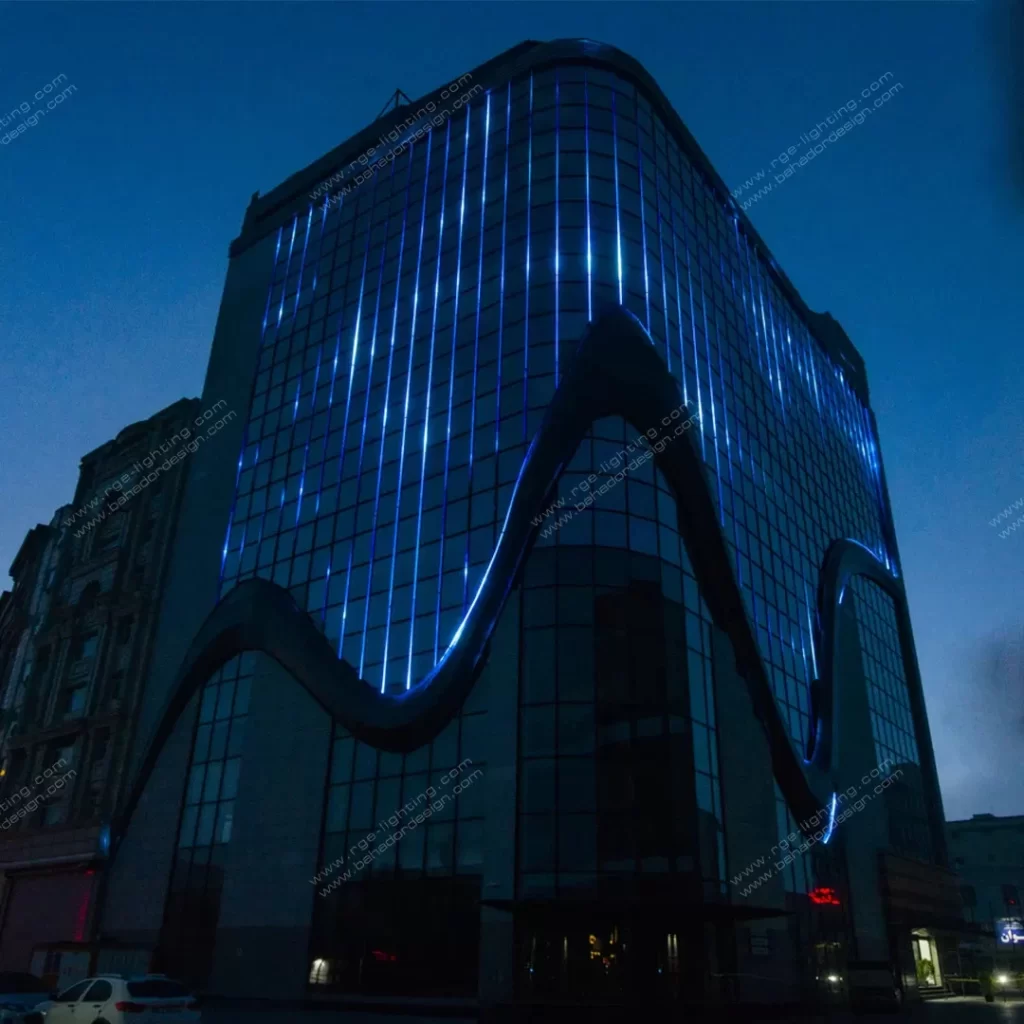
Store lighting design is one of the most important aspects of interior design for any commercial space, directly influencing customer experience, the perception of the space, and ultimately, sales. Lighting is more than just illumination; it is a tool to guide the customer’s attention, create a sense of trust, and showcase products more effectively. A well-planned lighting design can even make a small store appear larger and more attractive, encouraging customers to spend more time in the space.
In store lighting design, the goal is not merely to light up the space but to plan it so that each area of the store—from the entrance and display windows to the shelves and fitting rooms—offers a distinct atmosphere and functionality. For example, warm lighting in luxury product sections conveys intimacy and a sense of value, while cool white lighting in general areas or modern stores evokes freshness and clarity.
Proper lighting enhances the natural appearance of colors, highlights product details, and ultimately makes the purchasing decision easier for customers. Moreover, lighting can serve as a design element that reinforces brand identity and makes the store environment unique. Therefore, during interior design planning, it is recommended to consult lighting specialists to achieve a balance of aesthetics, functionality, and energy efficiency.
In summary, store lighting design acts as a bridge between visual appeal, customer experience, and increased sales.
Different Approaches to Store Lighting Design
General lighting forms the foundation of any store lighting design and is responsible for illuminating the entire space. The purpose of this type of lighting is to provide uniform, shadow-free illumination, allowing customers to move comfortably through the store and clearly see the products. Common methods for achieving general lighting include recessed ceiling lights, LED panels, and linear fixtures. Selecting the appropriate light intensity and natural color temperature ensures the space feels pleasant and professional, enhancing the overall shopping experience for customers.
Accent lighting is used to draw attention to specific areas within a store. This method is highly effective in store lighting design for highlighting featured products, special shelves, or display windows. The direction and intensity of the light are crucial, as they focus the customer’s attention on the targeted items. Small spotlights or adjustable track lights are commonly used for this type of lighting. Proper implementation of accent lighting can have a direct impact on increasing sales and presenting key products in the best possible way.
Decorative lighting plays a key role in creating the visual identity and aesthetic appeal of a store. In addition to providing illumination, this type of lighting is used to create special effects and enhance the interior décor. In modern store lighting design, pendant lights, colored LED strips, or designer fixtures are often used to make the space feel more luxurious and unique. Decorative lighting can increase warmth and a sense of intimacy, encouraging customers to spend more time in the store. When combined with general and accent lighting, it delivers the best results in attracting and engaging customers.

In today’s stores, lighting has become one of the key elements in attracting customers and increasing sales. Following the essential principles of modern store lighting design means understanding the role of light in shaping the shopping experience and highlighting the beauty of products.
The first principle is the distinction between different types of lighting. In professional design, general lighting is used for overall illumination, accent lighting highlights specific products, and decorative lighting enhances the aesthetic appeal of the space.
Another important principle is selecting the appropriate color temperature. The color temperature should match the type of store; for instance, clothing or jewelry stores often use warm lighting to create a luxurious and inviting atmosphere, while electronics or health stores typically employ cool, natural light. Uniform, shadow-free lighting is also crucial, as uneven lighting can cause eye strain and reduce the attractiveness of the environment.
Energy efficiency is another key consideration in modern store lighting design. Using high-efficiency LED fixtures with smart control capabilities not only saves costs but also allows adjusting light intensity based on the time of day and available natural light. Additionally, the flow of customer movement should be analyzed so that key areas—such as entrances, checkout counters, and high-traffic sections—receive optimal illumination.
Ultimately, successful store lighting is a combination of science and art. Technical principles must be followed, but the design should also align with brand identity and overall décor to create a pleasant and memorable customer experience. Precisely implementing these principles can make a significant difference in both the attractiveness of the store and its sales performance.
In a professional store, lighting is as important as interior design. Understanding the different types of lighting and using them correctly makes the space appear more vibrant, attractive, and purposeful. Generally, three main types of lighting are used in store design: general lighting, accent lighting, and decorative lighting. Each of these light sources plays a specific role in shaping the perception of the space and capturing the customer’s attention.
General lighting provides overall illumination and is usually achieved through ceiling fixtures or light panels. This type of lighting should be uniform and free of harsh shadows so that customers can easily see every part of the store. Accent lighting is primarily used to highlight specific products, displays, or showcase areas. It is typically directed at a particular angle to guide the customer’s gaze toward the intended focal points.
On the other hand, decorative lighting serves an aesthetic purpose and adds character to the overall design of the space. Pendant lights, LED strips, or colored lights can be used to reinforce the store’s visual identity. The coordination of these three types of lighting is one of the most important principles for successful store lighting design. With this combination, the space becomes both functional and illuminated while creating an inviting and visually appealing environment for customers.

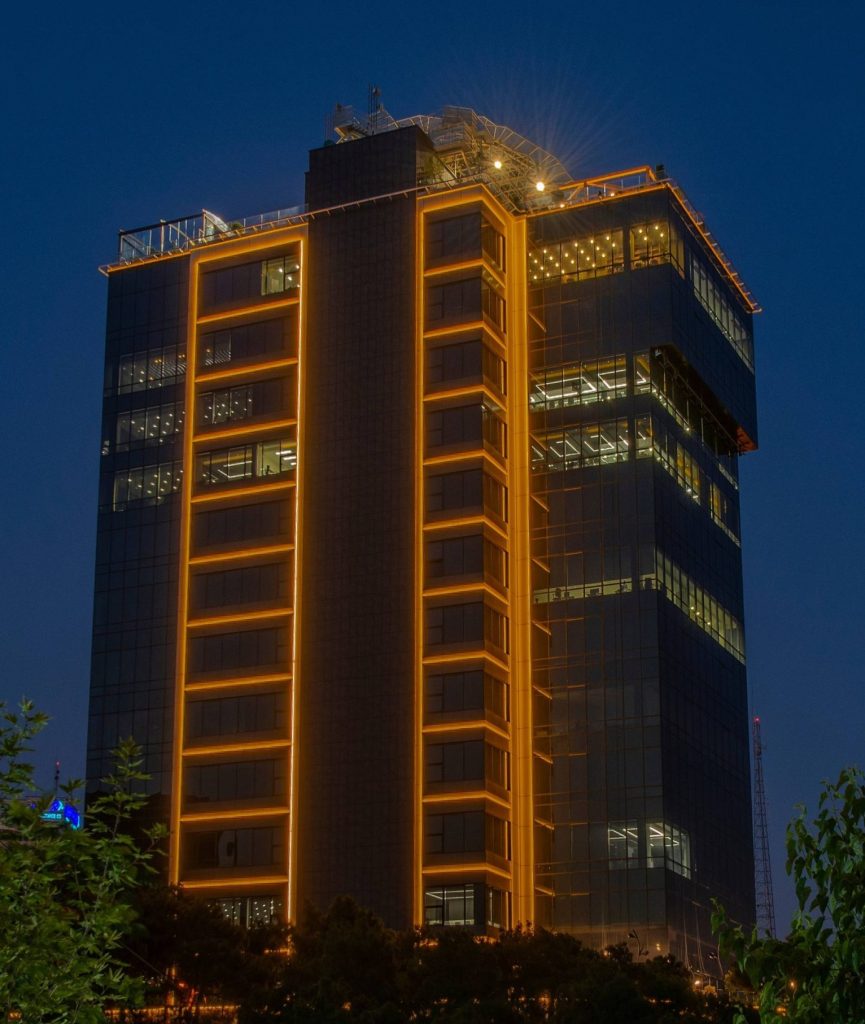
Lighting is not just a means of illuminating a space; it is a psychological tool that influences customer emotions and decision-making. Studies have shown that the intensity, color, and angle of light can directly affect the time customers spend in a store and even their product choices. The main goal of store lighting design is to create a welcoming and trustworthy atmosphere, allowing customers to move comfortably through the space and increasing their likelihood of making a purchase.
For example, warm and soft lighting evokes a sense of intimacy and relaxation, commonly used in clothing, jewelry, or home décor stores. In contrast, cool white lighting is suitable for modern spaces or technology stores, conveying clarity and precision. The overall brightness is also important; excessively bright light can cause eye fatigue, while dim lighting may create a sense of uncertainty.
A professional lighting system can subtly guide customer movement and draw attention to more profitable areas. When a product is highlighted with targeted lighting, the chances of it being chosen increase. Ultimately, following the principles of store lighting design not only enhances the aesthetic appeal of the space but also directly boosts sales by creating a positive and memorable customer experience.
Choosing the right color and intensity of light in store lighting design plays a crucial role in visual appeal and the customer shopping experience. Proper lighting can make products appear more realistic and attractive while creating a positive feeling for customers. In modern stores, a combination of warm and cool white lighting is often used to balance brightness and visual comfort. Light intensity should be sufficient for product details to be clearly visible without causing eye strain. In professional design, each area of the store requires different lighting. For example, shelves and display windows should be more brightly lit to draw customer attention, while general areas can have softer, ambient lighting.
Using the appropriate light color not only influences product selection but also reinforces brand identity. In addition to interior lighting, attention to exterior store lighting is essential. A well-lit and attractive storefront creates the first impression and encourages customers to enter. Inside the store, lighting should guide customer movement and create a pleasant experience. Following these principles ensures that store lighting design is successful not only in terms of aesthetics but also in functionality and sales performance.
Many stores exhibit common lighting errors that negatively affect customer experience and sales. One major mistake is using uniform lighting without differentiation, which can make the store feel dull and unattractive. Professional store lighting design requires a combination of general, accent, and decorative lighting. Incorrect selection of light color and intensity is also a frequent problem. Lighting that is too cold or too warm can create the wrong atmosphere and fail to display product colors accurately.
Neglecting key areas such as display windows and high-traffic shelves can result in missed opportunities to attract customers. Another common error is ignoring the impact of exterior lighting. Storefront lighting should grab attention and invite customers inside. Likewise, interior lighting should harmonize with the décor to create a cohesive and enjoyable experience. By avoiding these mistakes and following professional principles, store lighting design can achieve both high visual appeal and enhanced sales performance.
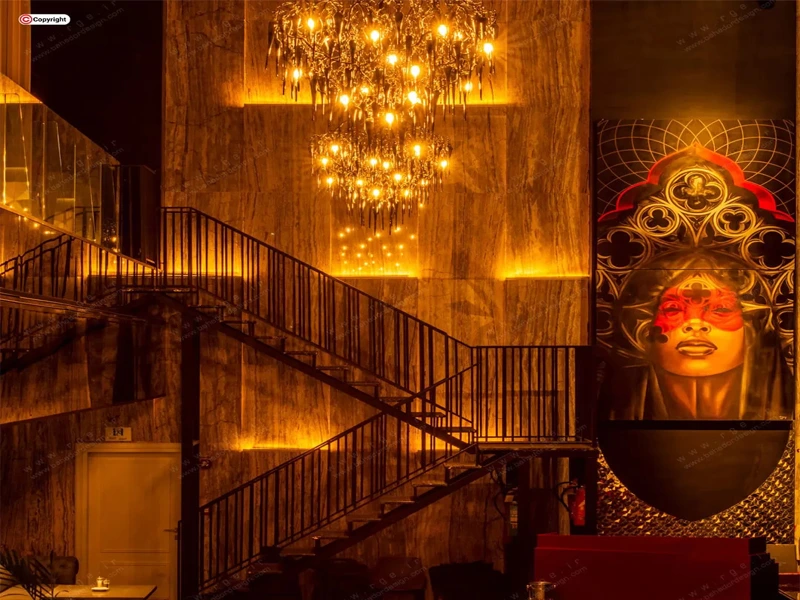
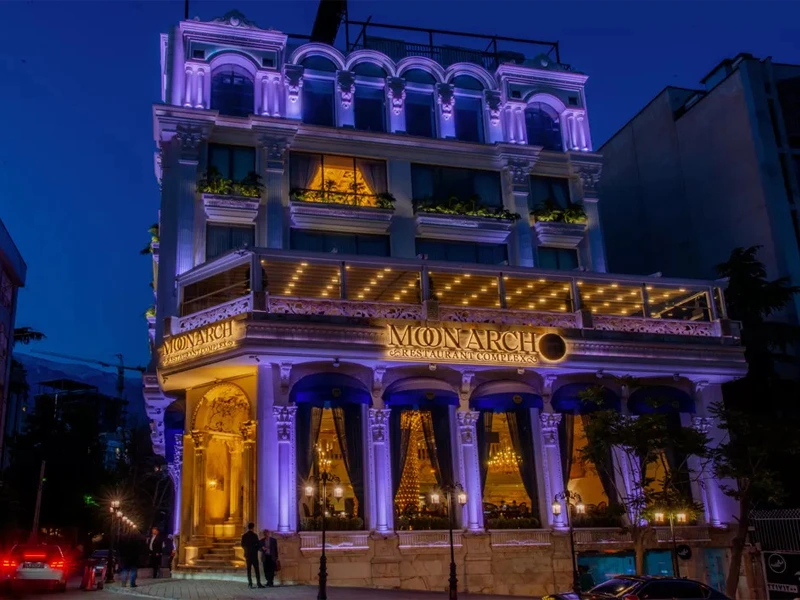
RGE International Company – The Most Reputable Lighting Firm
In small stores, proper lighting can make a limited space appear larger and more attractive. Designing lighting for a small store requires careful planning to ensure that every square meter is utilized efficiently and that customers feel comfortable. One important principle is the use of multifunctional and adjustable lighting, allowing the intensity and angle of light to be adapted according to the needs of each area.
In small stores, general lighting should be uniform to fully illuminate the space, while key areas should be highlighted with accent lighting. This approach draws customer attention to important products and makes the store feel more open and inviting. Compact ceiling fixtures, LED lights, and linear lighting are effective solutions for optimizing small spaces.
Light color is also crucial. White and natural light ensures that product colors appear true to life and creates a sense of freshness, while warm lighting adds a cozy and inviting atmosphere. Combining lighting with decorative elements, such as mirrors and reflective surfaces, can further enhance the perception of space. Proper implementation of these principles ensures that small store lighting design is both aesthetically pleasing and functional, providing a better shopping experience for customers.
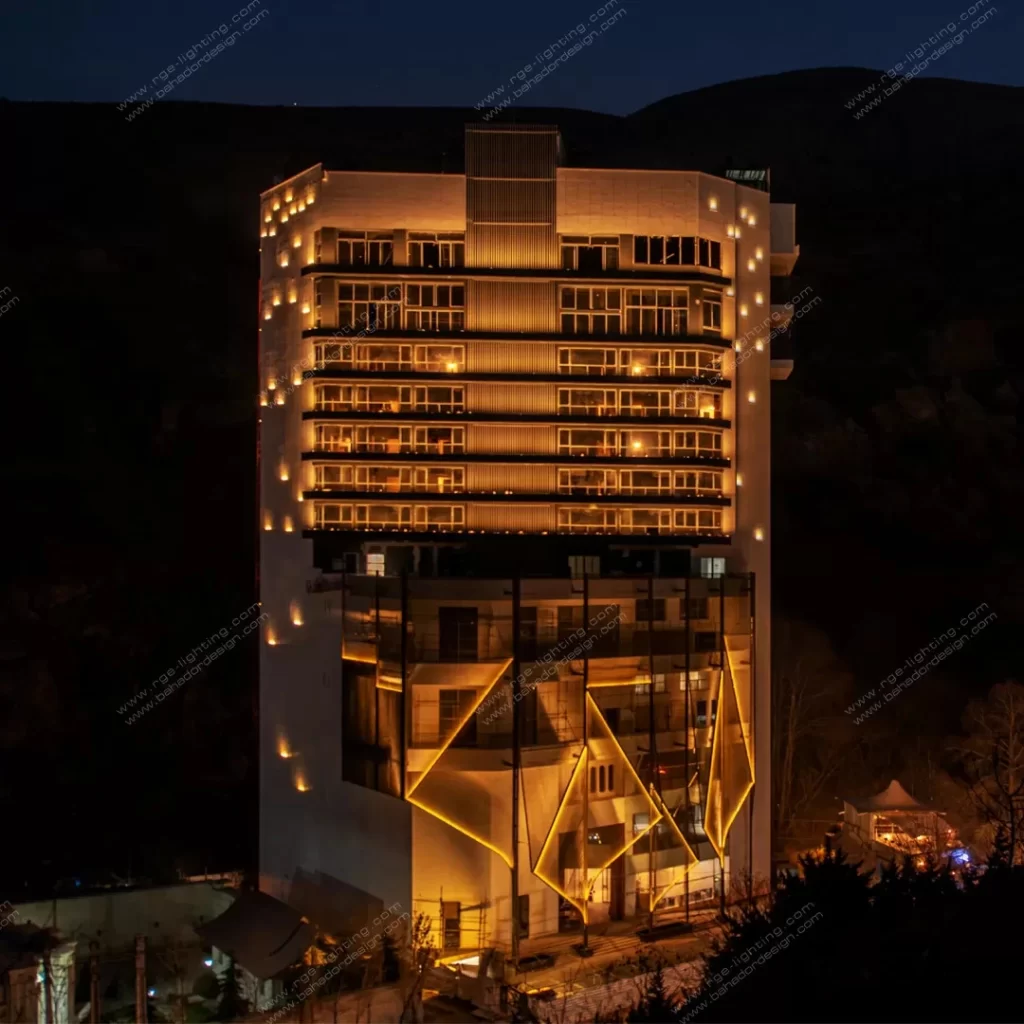
Lighting design in luxury stores differs significantly from that of standard stores, as in luxury retail, lighting plays a key role not only in illumination but also in creating a sense of exclusivity and sophistication. In these stores, accent lighting highlights key products, decorative lighting adds visual effects, and high-quality general lighting combines to create a unique and valuable environment.
In standard stores, the focus is primarily on functional, overall illumination, with less emphasis on accent or decorative lighting. In luxury stores, attention to lighting details—such as light angle, intensity, and color—is crucial, as each lighting element can convey a specific feeling to customers.
Moreover, luxury stores often use advanced equipment such as adjustable LED fixtures, smart lighting systems, and layered lighting techniques to provide a memorable shopping experience. In contrast, standard stores typically rely on simple, uniform lighting. By following these principles, luxury store lighting design can create an attractive, distinctive, and impactful environment that encourages customers to return.
The store window is the first point that captures a customer’s attention and can significantly influence their decision to enter the store. Store lighting design should ensure that the window display appears attractive and distinctive. Proper lighting highlights products, creates contrast, and presents colors accurately, encouraging customers to engage with the store. Using accent and angled lighting in the window places key products in the spotlight, helping customers quickly identify the most important areas of the store.
Window lighting should also be coordinated with the interior décor to create a sense of harmony and professionalism. Effective window lighting not only enhances visual appeal but also boosts sales. Combining warm and white lighting, using LED fixtures, and adjusting light intensity based on the time of day are effective techniques in store lighting design that improve the customer experience and make the store memorable in the minds of shoppers.
Advancements in lighting technology have provided extensive opportunities to enhance store lighting design. High-lifespan, energy-efficient LED fixtures, adjustable lighting, and smart systems are tools that can make spaces more optimized and visually appealing. Using these modern equipments allows stores to adjust lighting according to time, season, or specific needs, creating a dynamic experience for customers.
Modern equipment also enables precise and targeted lighting. With spotlights and intelligent control systems, specific products can be highlighted, directing customer attention to key areas of the store.
Smart lighting not only saves energy and reduces operational costs but also enhances visual appeal and the shopping experience. Implementing advanced equipment in store lighting design makes the space appear more professional, modern, and customer-friendly, directly boosting sales. These tools improve both the aesthetic and functional aspects of the store, elevating the overall shopping experience to a higher level.
The cost of store lighting design depends on multiple factors and can range from a moderate budget to a high-end investment. The most influential factors include the store’s size, the number and type of lights, the equipment used, and the complexity of the lighting system. Larger stores or those requiring more sophisticated lighting designs will naturally incur higher costs.
The type of equipment selected also plays a decisive role. High-quality LED fixtures, smart lighting systems, and adjustable lights may have a higher initial cost but offer long-term savings in energy consumption and operational expenses. Additionally, custom lighting for specific areas, such as display windows or key shelves, can affect the overall budget.
Another important factor influencing costs is professional design and expert consultation. Working with experienced lighting designers ensures optimal choices, maximizing the return on your investment. Regular maintenance and servicing of lighting equipment should also be considered in the budget to keep the system performing at its best.
Ultimately, costs should not be seen merely as a limitation. Investing in professional lighting enhances the customer experience, increases store appeal, and can directly contribute to sales growth. Following professional principles and using appropriate equipment ensures that the investment is fully justified and contributes to the long-term success of the store.
برای ورود به سایت ایمیل یا شماره موبایل خود را وارد کنید.
کد تایید در دمو 11111 است.
Your cart is empty!
Copied to clipboard