

Your cart is empty!

branding withe litgh
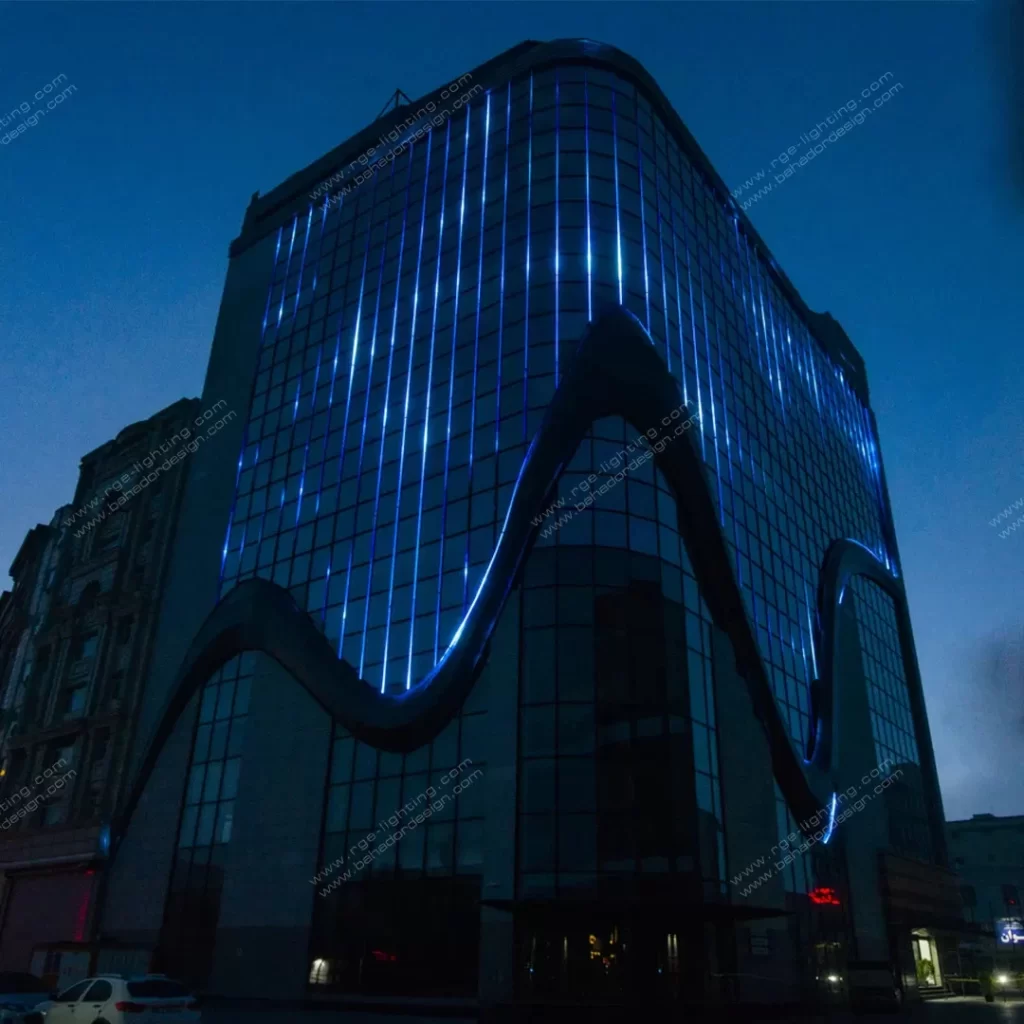
One of the most important elements of outdoor design is creating a well-planned and artistic lighting scheme. Lighting not only enhances the visual appeal of a space, but also brings comfort, safety, and functionality during nighttime hours. Villa garden lighting is a blend of art, engineering, and creativity that, when executed with technical and aesthetic principles in mind, can transform any garden or villa into an elegant and inviting environment.
To begin the process, it is essential to evaluate the spatial needs and functions of each part of the garden. Pathways, trees, the pool area, pergolas, and the building façade each require a specific lighting approach. Low-profile lights along walkways, garden post lights, and focused uplights on trees can create a unique and memorable atmosphere.
In outdoor lighting design, factors such as beam angle, light intensity, and color temperature must be carefully considered to prevent glare and maintain the natural feeling of the space. One of the common mistakes in garden lighting is the excessive use of bright white lights, which causes eye fatigue and diminishes the softness and charm of the environment.
Using warm and gentle tones—especially in seating areas—creates a more intimate and relaxing mood. Finally, choosing waterproof fixtures, energy-efficient LED lamps, and smart lighting controls not only improves durability but also reduces energy consumption.
A harmonious combination of lighting and landscape design results in a captivating, dream-like view of the villa—one that beautifully reflects the essence of nature and architecture both day and night.
Types of Villa Garden Lighting Techniques
In this method, the light source is aimed directly at the subject to make its details more visible and defined. This type of lighting is commonly used to highlight key elements such as sculptures, signature trees, or the main façade of the villa. Adjustable spotlights and projectors are the most effective options for creating this focused illumination. It is important to ensure that the light intensity is not overly strong, as excessive brightness can cause glare and reduce visual comfort.
This method provides overall illumination for the space and serves as the foundation of any lighting system. In pathways, courtyards, and around buildings, pedestal or recessed lights are commonly used to achieve this general lighting. Ambient lighting should be uniform, free of harsh shadows, and of moderate intensity to ensure adequate visibility while maintaining a natural and comfortable atmosphere.
creating a soft and uniform illumination. This method is ideal for relaxation areas or spaces around pergolas, as it produces a calm and soothing atmosphere. Hidden LED strips or recessed lights installed under steps are common examples of this lighting technique.
The purpose of this lighting method is to enhance the visual appeal of a space rather than simply provide illumination. Using decorative hanging lights, garden lanterns, or LED string lights around pergolas and trees can create a magical and enchanting atmosphere. This style is especially popular for parties and evening gatherings in villa gardens.
This type of lighting is used to draw attention to specific areas within a space, such as tall trees, water features, or decorative sculptures. The angle of the light is crucial, as the goal is to create shadows and depth within the environment. Accent lights are typically combined with general lighting to add an artistic touch and enhance the overall visual appeal of the villa garden.
One of the modern and cost-effective methods for garden lighting is the use of solar-powered lights. These lights store energy from the sun during the day and automatically illuminate the space at night. In addition to saving electricity costs, this method offers easy installation and low maintenance, making it ideal for pathways and green areas in villa gardens.

With the rise of modern architectural styles, lighting has moved beyond traditional functions to become an essential decorative element. Today, villa and garden lighting is not only about illuminating the space—it is part of the visual identity of the environment. Modern villa garden lighting focuses on simplicity, order, and creativity, combined with smart use of technology.
One popular modern idea is installing recessed lights along pathways and steps. This approach enhances safety while adding a minimalistic aesthetic to the space. Linear lights on stone walls or pool edges create a luxurious look that harmonizes with the villa’s architecture. In this style, hidden and uniform lighting is preferred over direct sources to achieve balanced and diffused illumination.
Another innovative approach is integrating lighting with natural elements. Concealed lights among plants or behind tree trunks preserve the natural feel of the garden while creating a stunning nighttime effect. Using subtle colored lights—such as blue, amber, or soft green—can also evoke a magical and poetic atmosphere.
Smart lighting plays a key role in modern designs. Remote-controlled systems, motion sensors, and automated timers allow efficient energy management and enhance convenience for residents. Ultimately, the success of modern lighting design depends on harmony between light, materials, and architectural elements. Lighting should accentuate textures and lines, maximizing comfort, elegance, and a sense of grandeur in the nocturnal garden landscape.
Creating a luxurious and visually striking atmosphere in a villa garden is not achieved solely through expensive furniture or intricate architecture; lighting is the hidden yet decisive element that can transform any space into a work of art. Successful villa garden lighting delivers not only sufficient illumination but also conveys a sense of elegance, harmony, and subtlety.
To achieve a luxurious ambiance, careful attention must be paid to combining different light sources. Using layered lighting—including ambient, accent, and decorative lights—ensures that every area of the garden has a distinct visual appeal. Accent lights highlighting special trees, sculptures, or water features guide the viewer’s attention and add depth to the space.
Incorporating recessed lights with soft illumination along paved pathways, linear lighting along pool edges, and decorative hanging lights in pergolas are details that enhance the elegance and refinement of the environment. In luxury lighting design, every light source should serve a specific purpose, avoiding random placement or excessive brightness.
Color temperature also plays a key role in creating a luxurious feel. Warm, golden lights are ideal for relaxation and seating areas, while white or natural lights are better suited for pathways and functional spaces. The use of modern technologies such as smart lighting controls, dimming options, and automated schedules further provides a contemporary and convenient experience for residents.
Ultimately, luxury in lighting is not about expensive equipment, but about harmony, sophistication, and creativity in selecting and positioning lights. With thoughtful and intelligent design, even a small garden can showcase a spectacular display of elegance and beauty at night. Just like villa façade lighting, garden lighting design involves careful attention to detail and essential design principles.

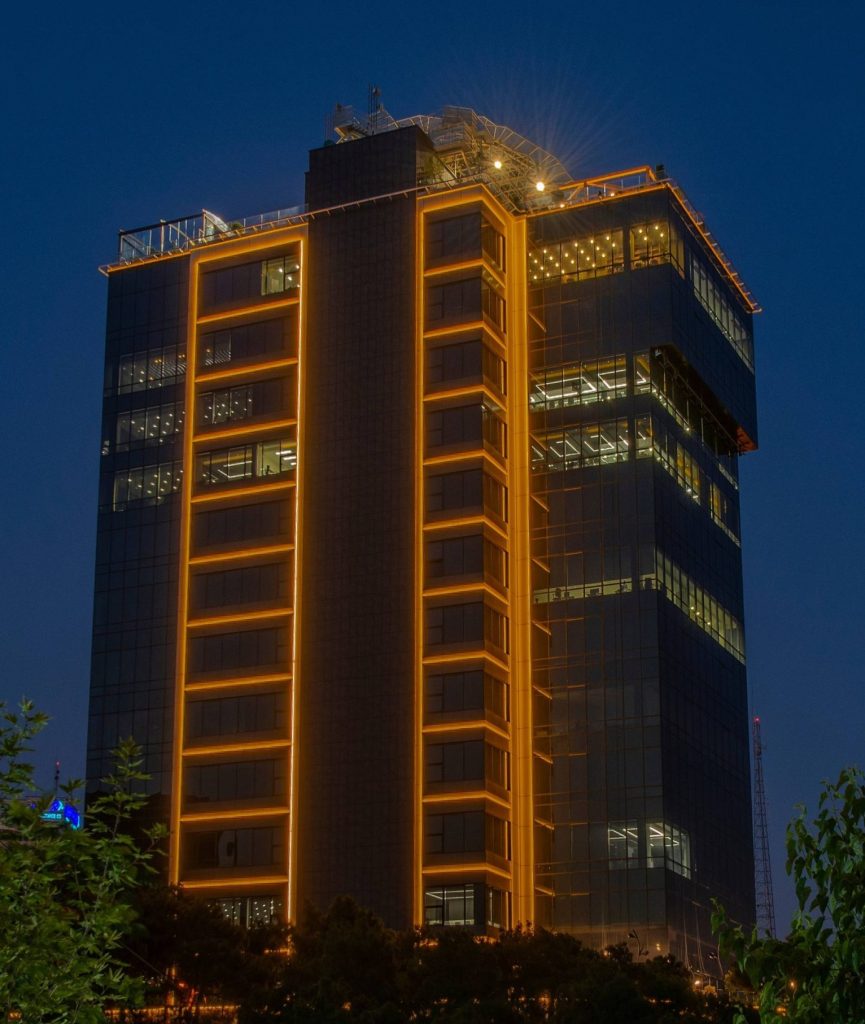
where energy efficiency has become essential, choosing effective lighting methods is more important than ever. The goal of villa garden lighting design is not only to create beauty but also to balance visual appeal with energy efficiency. Using energy-saving fixtures and careful planning can reduce costs while maintaining a bright and attractive outdoor space.
One of the most effective approaches is using LED lights. These fixtures offer long lifespans, generate minimal heat, and consume significantly less electricity than traditional bulbs. Selecting waterproof and weather-resistant models also enhances the durability of outdoor lighting systems.
Incorporating motion sensors and automated timers plays a key role in saving energy. These technologies ensure that lights operate only when people are present or during specific nighttime hours, preventing unnecessary energy consumption.
Designing pathways with proper beam angles and focusing light on key areas is also crucial. Instead of using numerous light sources, it is better to employ targeted, well-adjusted illumination to reduce energy use while maintaining a clean and visually pleasing environment.
Careful consideration of color temperature and light intensity is essential. Overly bright lights or high color temperatures not only consume more energy but can also cause glare and disrupt the harmony of the space. Soft, natural lighting is the best choice for preserving a peaceful and inviting atmosphere.
Ultimately, energy efficiency does not mean sacrificing beauty. With thoughtful design, appropriate fixture selection, and modern technologies, it is possible to create a luxurious, visually stunning villa garden while minimizing energy consumption.
While villa and garden lighting may seem simple, it actually requires careful planning and professional execution. Many people make mistakes during the design and implementation process, which can diminish the visual appeal, increase energy consumption, or even damage equipment. Recognizing these common errors and avoiding them can significantly improve the quality of the lighting design.
One of the most frequent mistakes is overusing light sources. Excessive lighting not only causes glare and discomfort but also diminishes the natural beauty of the space. Light should be used in moderation and at specific points to maintain a balanced contrast between bright and dark areas.
Another common error is ignoring the type and color of light. Using cool lights in seating areas or warm lights on pathways without considering the color temperature can create an unpleasant atmosphere. Choosing the appropriate light color based on the function of each area is crucial.
Incorrect installation of fixtures is also a frequent problem. Lights installed at the wrong angle or lacking waterproof protection can be damaged quickly. Using weather-resistant fixtures that withstand moisture, dust, and heat is a fundamental principle in outdoor lighting design.
Neglecting energy control, creating uneven illumination, and failing to implement smart lighting systems are additional common mistakes. With proper planning, quality equipment selection, and careful assessment of the actual needs of each space, these errors can be avoided, resulting in a visually appealing, balanced, and long-lasting villa garden lighting design.
Lighting Design Projects
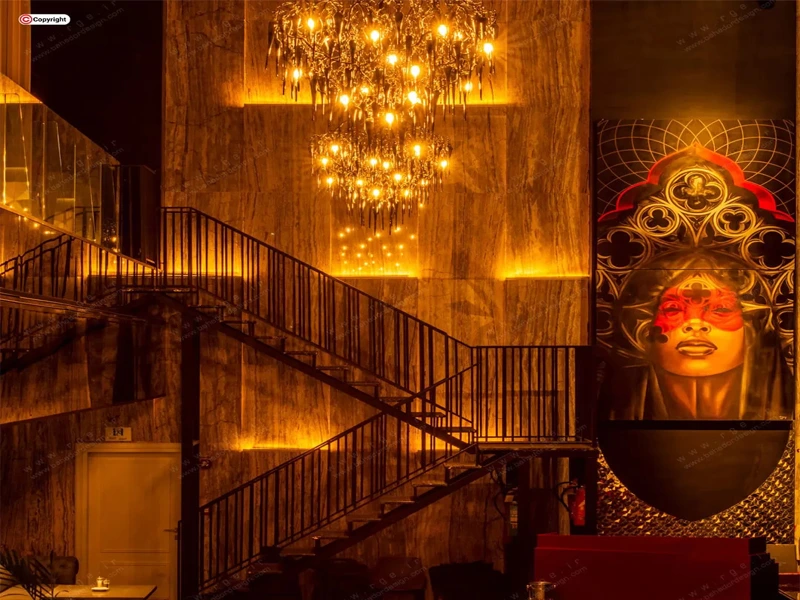
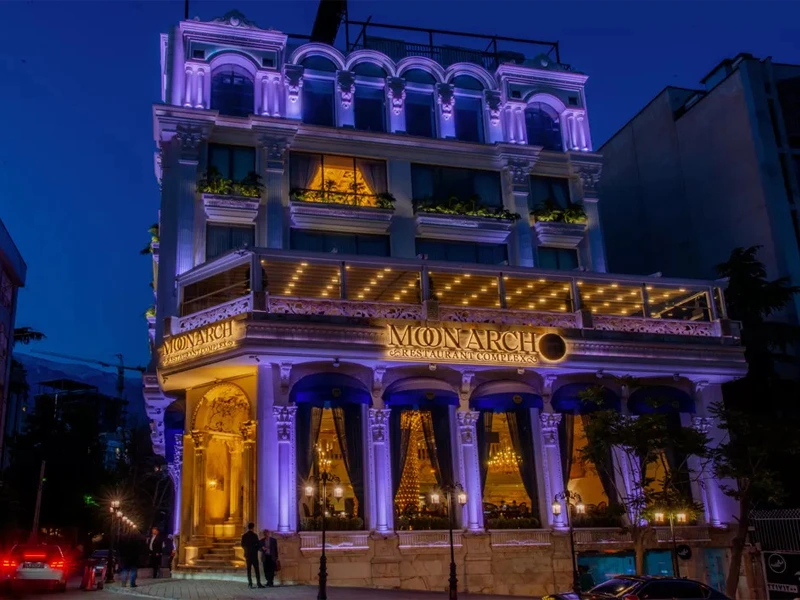
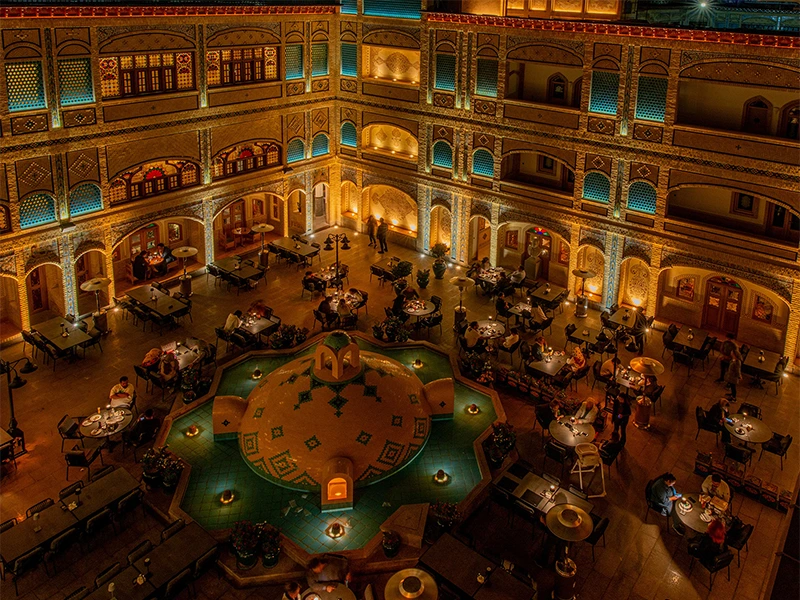
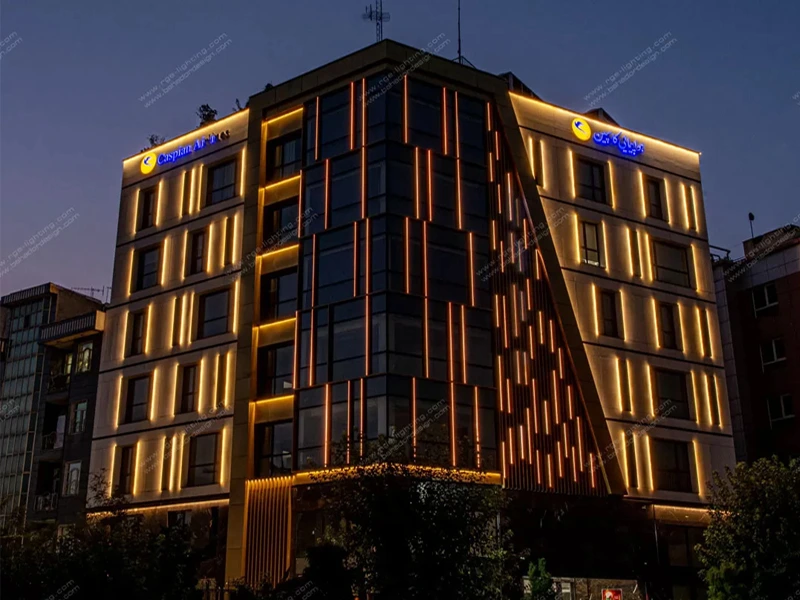
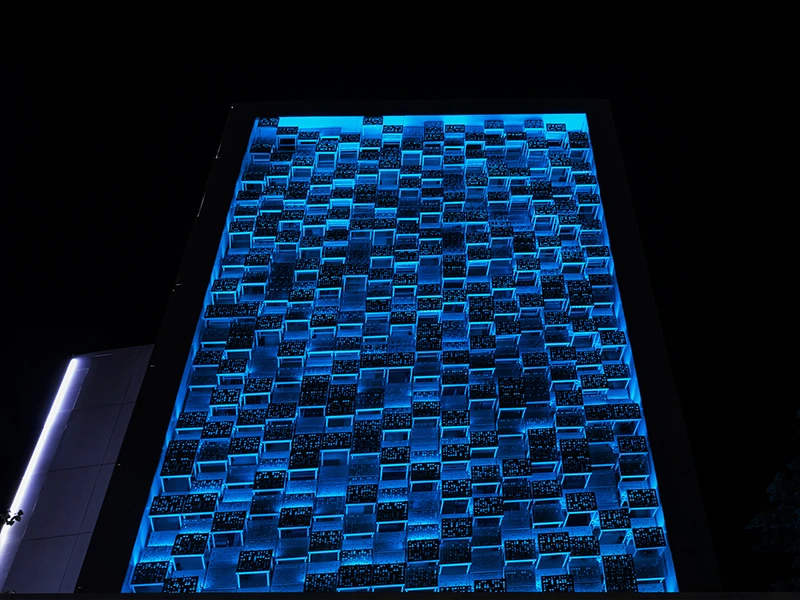
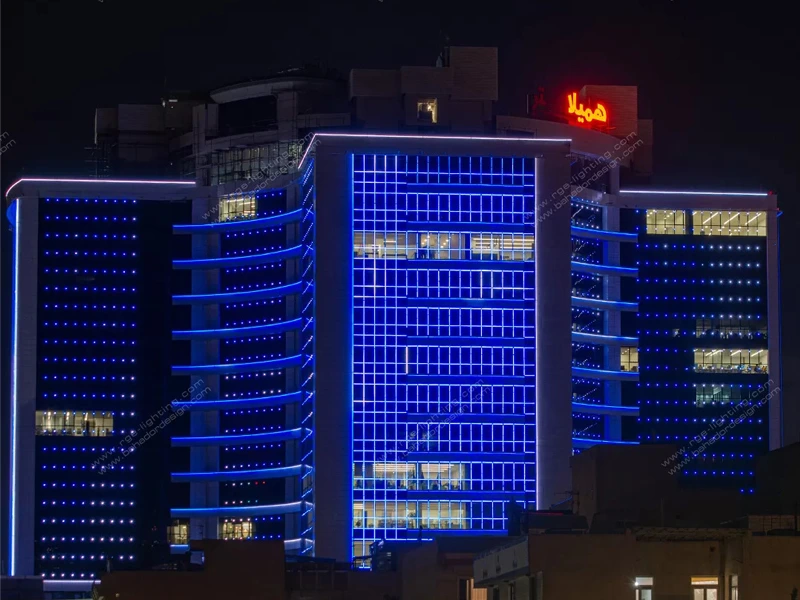
RGE International Company – The Most Reputable Lighting Firm
Color and light intensity are among the most important factors determining the beauty and functionality of villa garden lighting. While many people focus only on general illumination, the correct choice of light color and brightness can dramatically transform the overall ambiance of a space. In villa garden lighting design, a carefully balanced combination of warm, cool, and natural lights should be applied to achieve a pleasant and professional result.
Warm lights, such as yellow and amber, are ideal for relaxation areas, seating zones, and around pergolas, creating a cozy and calming atmosphere. In contrast, cool and white lights are recommended for pathways, stairs, or functional areas to enhance visibility. A balanced mix of these light types ensures the space feels natural rather than overly artificial or dull.
Light intensity also plays a crucial role. Excessively bright lights can cause glare and eye fatigue, while insufficient lighting may compromise safety along pathways. Using dimmable fixtures provides flexibility to adjust brightness for different occasions.
It is also important to consider the colors of plants and architectural materials. Colored lighting can highlight foliage, paving, or water features in unique ways. For example, soft green light on trees or blue light for fountains creates a natural and visually appealing effect.
Ultimately, choosing the right light color and intensity should aim to harmonize nature, architecture, and user experience. Properly designed lighting not only illuminates the garden but also gives it life, creating a delightful nighttime experience for anyone enjoying the villa garden.
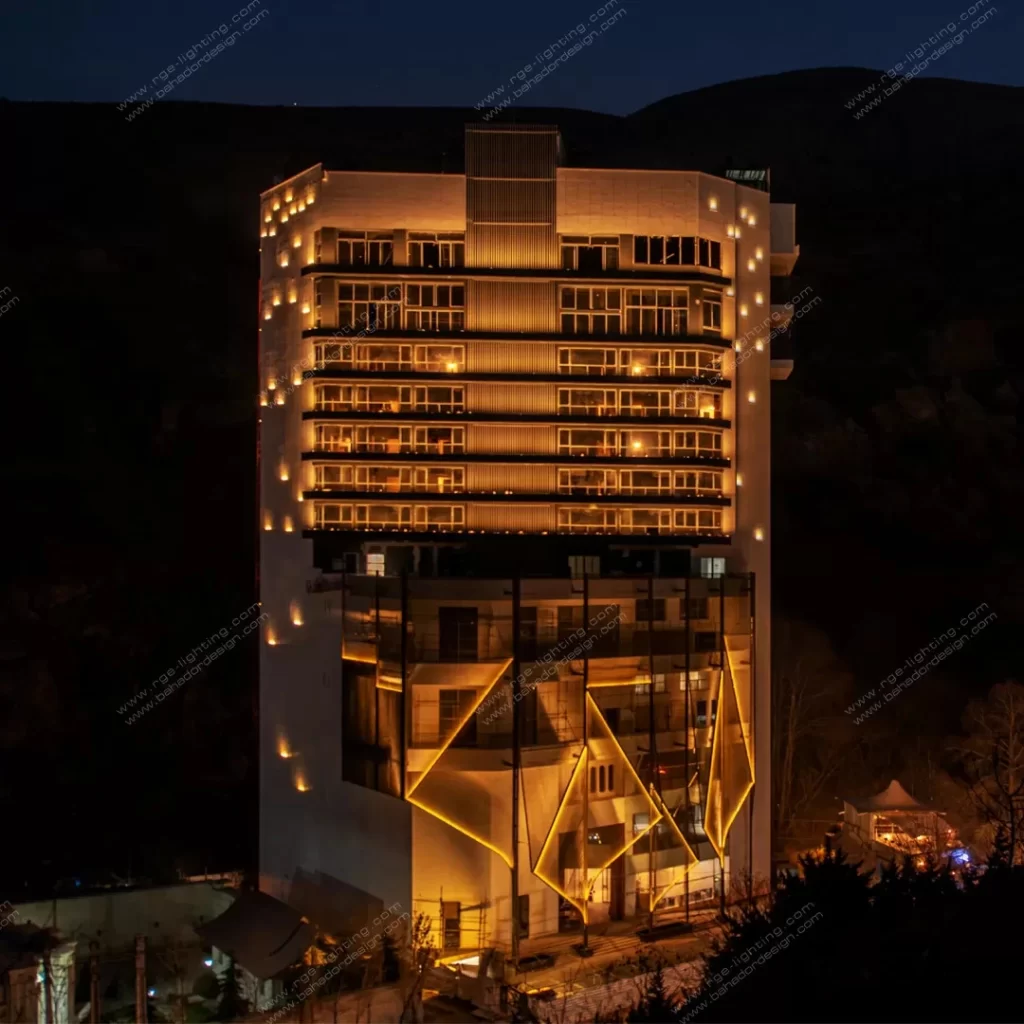
Light is a fundamental element in shaping human visual and emotional experience of a space. In open environments like gardens and villas, lighting not only enhances aesthetics but also plays a vital role in providing nighttime safety and comfort. When villa garden lighting is designed thoughtfully and purposefully, it can create a stunning visual effect while reinforcing residents’ sense of security.
From an aesthetic perspective, lighting highlights architectural features, vegetation, and environmental details. When light is cast at the right angle and intensity on trees, stone walls, or grassy pathways, the garden appears vibrant and dynamic at night. Combining warm and cool lights across different areas adds depth, dimension, and guides the eye toward focal points.
From a safety perspective, light is equally critical. Dark paths and unlit corners can create feelings of insecurity. Proper lighting ensures that all pathways, stairs, and entrances are clearly visible, reducing the risk of slips or collisions. Adequate illumination at key points, such as gates or parking areas, can also deter unauthorized access. Motion sensors and automated timers further enhance energy efficiency by activating lights only when needed.
This approach not only maintains safety but also adds a smart, modern touch to the villa. Ultimately, successful lighting design balances beauty and functionality. Lighting that is both soft and sufficiently bright creates a safe, attractive, and enjoyable outdoor environment—one where even nighttime presence feels peaceful and pleasurable.
Choosing the right lighting fixtures is crucial in villa garden lighting, as it directly affects durability, performance, and the overall visual impact. Today, a wide variety of lights and systems are available for outdoor spaces, each with specific applications. In villa garden lighting design, the type of fixture should be selected based on installation location, required illumination, and the design style to achieve a beautiful and lasting result.
Recessed or In-ground Lights: Ideal for pathways, pool edges, or alongside walls, providing soft, uniform illumination while preventing glare.
Pedestal Lights: Perfect for illuminating walkways and open spaces. Available in different heights, they create an organized and elegant appearance.
Wall Lights and Small Spotlights: Excellent for highlighting the villa façade or tall trees.
Spotlights: Allow precise illumination of specific features, such as sculptures or water features.
Solar Lights: Popular for energy savings and easy installation, they automatically charge during the day and illuminate at night with minimal maintenance.
Durability is essential. Choose fixtures resistant to moisture, dust, and temperature changes. Outdoor-rated lights with IP65 or higher are ideal for garden and villa spaces. Combining the right fixtures with thoughtful design and reputable brands ensures a long-lasting and visually appealing lighting system.
Modern garden lighting emphasizes simplicity and functionality. Straight lines, uniform illumination, and minimalistic fixtures are key characteristics. Common fixtures include recessed lights, LED strips, and hidden light sources, creating a clean and calm ambiance. Neutral light colors like soft white or blue enhance a sense of order and freshness. Smart lighting systems are often used to adjust brightness and color temperature throughout the night. Linear lighting for pathways and water features contributes to a clean, modern look.
Classic design evokes grandeur, elegance, and artistic details. Lighting must harmonize with the villa architecture and enhance its luxurious feel. Common fixtures include pedestal lights with metal or bronze finishes, outdoor chandeliers, and warm-colored lights. Accent lighting highlights key features such as pathways, fountains, and the villa façade. Balancing light and shadow is crucial; rather than illuminating everything uniformly, the interplay of light and shade adds depth and a sophisticated atmosphere. Traditional waterproof fixtures enhance both longevity and style.
Minimalist lighting follows the principle of “less is more.” Each light serves a specific purpose, emphasizing the natural beauty of the garden without unnecessary decoration. Key elements include recessed or linear lights along pathways, simple wall lights with dark frames, and subtle spotlights among plants. Light colors are typically neutral white or soft yellow, creating a calm, balanced environment. Low-intensity, diffused lighting highlights the architecture and nature without overwhelming the space. Minimalist design is ideal for modern villas or smaller gardens, providing order, simplicity, and elegance.
The cost of villa garden lighting depends on design type, chosen fixtures, and garden size. A conceptual design should be prepared first, followed by cost estimation based on light types, control systems, wiring, and installation. Factors affecting cost include fixture type (LED, solar, or traditional), body material (aluminum, steel, or plastic), and waterproof rating. Although LED fixtures may cost more initially, they are more economical in the long run due to low energy consumption.
A professional designer identifies optimal installation points and prepares a detailed fixture list, preventing unnecessary expenses. For limited budgets, lighting can be implemented in stages—first covering pathways and key areas, then gradually illuminating the rest. Accurate cost estimation typically requires an on-site visit and a detailed lighting plan. Investing in professional lighting not only enhances beauty and security but also increases the villa’s overall value, creating a lasting visual identity for the garden.
برای ورود به سایت ایمیل یا شماره موبایل خود را وارد کنید.
کد تایید در دمو 11111 است.
Your cart is empty!
Copied to clipboard