
Light festivals are cultural and artistic events in which light is used as the primary element of design and creativity. In these events, urban spaces such as streets, squares, buildings, and landmark structures are transformed into striking and immersive environments through the use of colored lighting, video mapping, and visual effects.
A light festival represents the intersection of art, technology, and urban experience, directly engaging audiences with the surrounding space. The global popularity of these events stems from several key factors. First, light is a powerful and borderless means of communication that conveys emotion without the need for language.
Colors, shadows, and movement can evoke feelings of wonder, excitement, or calm, attracting a wide and diverse audience. The second factor is the advancement of digital and lighting technologies. The use of smart systems, interactive lighting, and the integration of image and sound has made these events increasingly creative and captivating each year.
Visitors are not merely spectators; they become part of the visual experience. From an urban and tourism perspective, these festivals play a significant role in revitalizing public spaces. By hosting such events, cities can strengthen their cultural identity and create a modern, dynamic image in the minds of tourists. Ultimately, the combination of art, entertainment, and social experience has made light festivals one of the most popular urban events worldwide.
What Are the Most Famous Light Festivals in the World?
Many cities around the world host light events, but some have gained greater recognition due to their scale, creativity, and global impact. The most renowned light festivals are usually held in cities with iconic architecture, expansive urban spaces, and well organized cultural planning. These cities use light as a tool for storytelling, expressing urban identity, and attracting tourists.
In Europe, many of these events focus on illuminating historic buildings and old districts. The fusion of modern lighting with classical architecture creates unique visual experiences that appeal to both residents and visitors. In contrast, many Asian cities tend to emphasize digital displays, smart lighting systems, and futuristic visual effects.
In North America and Australia, these festivals are often accompanied by music, live performances, and multimedia art, offering experiences that go beyond simply viewing light installations. In these regions, light festivals have evolved into major cultural events that attract millions of visitors in a short period of time.
What all renowned festivals share is a distinct identity and unique style. Some focus on sustainability and energy efficiency, while others highlight local stories and cultural narratives. This diversity has made light festivals one of the most compelling sectors of urban tourism worldwide.
Amsterdam Light Festival Netherlands
The Amsterdam Light Festival is one of the most well known light events in Europe, held annually during the winter season and giving the historic city a completely different appearance. During the festival, Amsterdam’s famous canals, bridges, and surrounding buildings become canvases for illuminated artworks. The combination of light and water creates stunning reflections, offering visitors a truly unique experience.
A defining feature of this festival is its focus on conceptual, narrative driven art. Many of the installations are designed by international artists, each conveying a particular story or message through light. Visitors can explore the artworks on foot or by boat along the canals, creating a distinctive experience compared to other light events.
Beyond its artistic dimension, the festival plays an important role in the city’s winter tourism. At a time when travel to European cities typically declines, the event attracts thousands of domestic and international visitors. It also emphasizes sustainability by incorporating energy efficient technologies and environmentally conscious design.
The Amsterdam Light Festival is a successful example of integrating contemporary art with urban space, demonstrating how light can breathe new life into a city without making permanent changes. Through this event, Amsterdam has strengthened its position as one of the world’s leading hubs for light art.
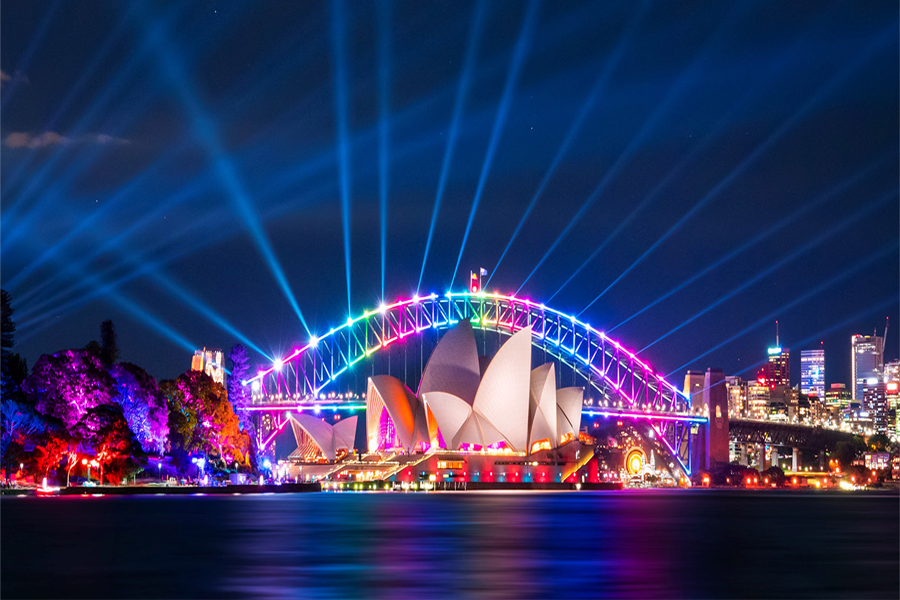
Vivid Sydney Australia
Vivid Sydney is one of the largest and most visited light festivals in the world, transforming the city of Sydney each year into a vibrant stage of light, color, and sound. Typically held during the cooler months, the event dramatically illuminates urban icons such as the Sydney Opera House and the Harbour Bridge.
What sets this festival apart is its integration of lighting design with music, technology, and creative ideas. The light displays are often synchronized with sound effects and digital performances, creating a multi sensory experience for audiences. Visitors are not just observers but active participants in the interactive environment of the festival.
Vivid Sydney has a significant economic and cultural impact on the city. Each year, it attracts millions of visitors and boosts local businesses, hotels, and tourism centers. It also provides a platform for showcasing artistic innovation and emerging technologies in light and digital media.
In terms of urban identity, the festival has played a key role in positioning Sydney as a creative and forward thinking city. The use of public spaces, the participation of international artists, and cohesive cultural planning have turned Vivid Sydney into one of Australia’s iconic cultural events. Through this festival, Sydney demonstrates that light can go beyond visual beauty to become a tool for connection, inspiration, and shared experience.
Festival of Lights Germany
The Berlin Festival of Lights is one of the city’s most important cultural events, held ყოველ autumn and transforming the urban landscape into a vast open air gallery of light. During this event, landmark buildings, main streets, and famous squares are creatively illuminated using colorful lighting and video mapping. Berlin’s diverse architecture ranging from historic structures to modern buildings provides an ideal backdrop for spectacular light displays.
The festival primarily focuses on the fusion of light and architecture. Artists use lines, colors, and movement to create new visual identities for buildings, offering fresh perspectives on familiar spaces. Many of the installations convey cultural, social, or historical messages, encouraging visitors to reflect and engage with their surroundings.
The Berlin Festival of Lights plays a significant role in attracting international tourists. At a time when travel to many European cities typically declines, Berlin becomes an appealing destination for art enthusiasts and urban explorers. The large crowds gathering in the streets create a vibrant and dynamic atmosphere throughout the city.
This festival demonstrates how light can become a powerful medium for narrating urban history and culture. Through light art, Berlin creatively showcases both its past and present, offering a distinctive experience for residents and visitors alike.
Tokyo Midtown Illumination Japan
The Tokyo Light Festival is one of Asia’s most prominent light events, held annually during the winter season and giving the metropolis a modern, futuristic glow. The festival is primarily staged in commercial districts and public spaces, where millions of LED lights create a dreamlike and meticulously organized environment that aligns with Japanese aesthetics and precision.
A key characteristic of this event is its high level of design accuracy and harmony between light, space, and movement. The illuminations are often inspired by nature, the changing seasons, or minimalist concepts, creating a calming and immersive experience for visitors. Advanced technologies and energy efficient systems also play a crucial role in executing these displays.
Beyond its visual appeal, the Tokyo Light Festival has a considerable impact on urban tourism. It increases public presence in city centers and commercial areas, providing valuable opportunities for local businesses. The event also showcases Japan’s technological expertise in lighting and urban design.
i Light Singapore Singapore
The Singapore Light Festival is one of Southeast Asia’s most significant light events, known for its focus on contemporary art and environmental sustainability. Typically held in urban spaces around Marina Bay and modern city districts, the festival’s installations are thoughtfully integrated with the surrounding environment. The combination of creative lighting and modern architecture offers visitors a distinctive and immersive experience.
A defining feature of this event is its strong emphasis on energy efficiency and sustainable design. Many of the installations are created using low energy lighting and eco friendly technologies, conveying messages about environmental protection and a sustainable future. As a result, the festival has both visual appeal and educational value.
The Singapore Light Festival plays an important role in presenting the city as a creative and innovative destination. Alongside viewing artistic installations, visitors are introduced to new ideas in urban design and lighting. Its open air format allows for broad public access and widespread community participation.
This festival is a successful example of combining art, technology, and social responsibility. Through light, Singapore not only enhances its urban beauty but also raises public awareness about sustainability and responsible energy consumption.
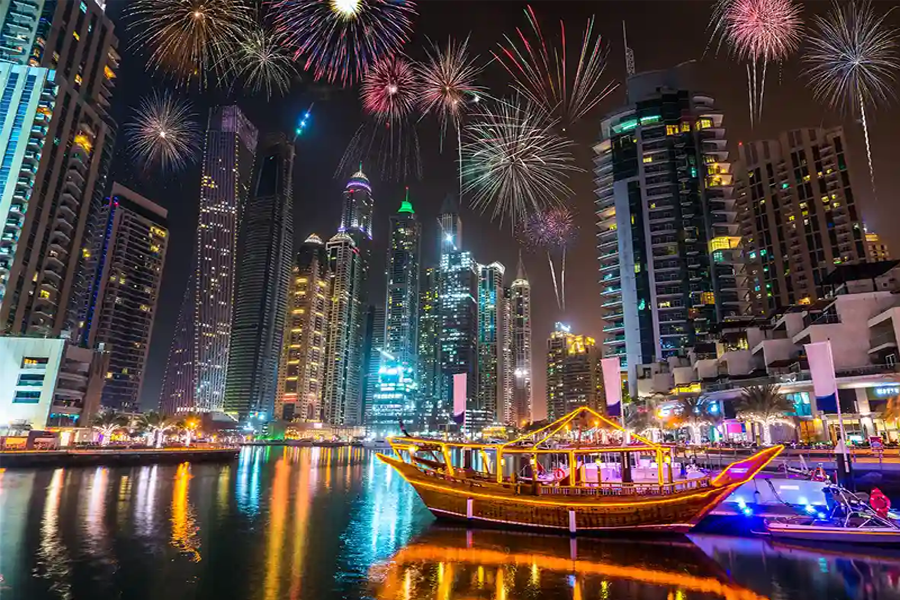
Dubai Light Festival United Arab Emirates
The Dubai Light Festival is one of the largest light events in the Middle East, known for its grand and spectacular displays. Held across various parts of the city, it transforms skyscrapers, shopping centers, and iconic landmarks into dazzling scenes of light and color. The large scale of its productions is one of the festival’s most distinctive characteristics.
The event emphasizes grandeur, powerful visual effects, and the presentation of advanced technologies. The use of video mapping, dynamic colored lights, and synchronization with music creates an exciting and immersive atmosphere for visitors. Many of the displays are designed specifically to astonish and captivate audiences.
The Dubai Light Festival has a significant impact on tourism and the urban economy. It attracts large numbers of visitors throughout the year, boosting shopping malls, hotels, and city services. It also serves as an opportunity to present Dubai as a modern metropolis at the forefront of entertainment technology.
This festival reflects Dubai’s approach to creating large scale and extraordinary experiences. By using light as a tool to highlight architectural power and innovation, the city has strengthened its position among major global tourism and international event destinations.
Signal Festival Czech Republic
The Prague Light Festival is one of Central Europe’s leading artistic events, held annually with a focus on digital art and light in urban spaces. The festival typically takes place in Prague’s historic districts, where old buildings, squares, and cobblestone streets become platforms for creative installations. The contrast between historic architecture and modern lighting design creates a visually striking atmosphere.
This event strongly emphasizes conceptual and narrative driven works. Artists combine light, imagery, and sound to present stories inspired by history, culture, or contemporary issues. As visitors walk along designated routes, they encounter a series of installations, each offering a unique perspective on the city.
The Prague Light Festival plays an important role in strengthening the city’s cultural tourism. It has attracted art, architecture, and technology enthusiasts from around the world. Its open air format enables broad public participation, transforming the city into a lively and dynamic environment.
The festival demonstrates how light can be used to reinterpret historic spaces. By preserving its architectural identity while adding a layer of contemporary art, Prague creates a distinctive and memorable experience for visitors.
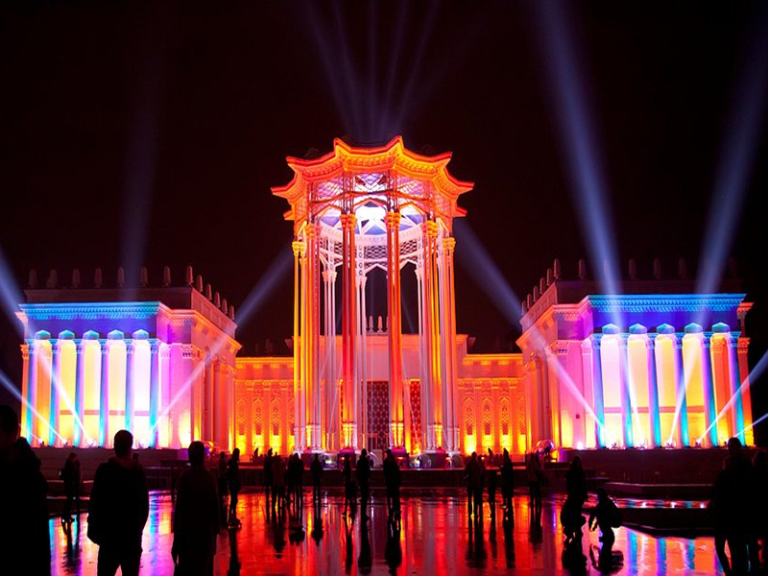
Circle of Light Festival Russia
The Moscow Light Festival is one of the largest light events in Eastern Europe, held annually with large scale and carefully orchestrated performances. The festival takes place in important and symbolic locations across the city, including major squares, parks, and landmark buildings, giving the urban landscape a dramatic new appearance. The scale of the productions and the high number of installations have made it one of the region’s most prominent light festivals.
The primary focus of this festival is on grand, synchronized shows. The illuminations are often combined with music and visual effects, creating a cinematic experience for visitors. Many of the performances are inspired by national history, culture, and achievements, reinforcing a sense of collective identity.
The Moscow Light Festival plays a significant role in attracting both domestic and international tourists. It increases public presence in urban spaces and brings vibrancy to the city. It also provides a platform to showcase technical and artistic capabilities in the fields of lighting and visual media.
This festival is an example of using light as a tool for storytelling and demonstrating cultural strength. By hosting this event, Moscow presents a dynamic and contemporary image of itself and strengthens its position among cities known for major international light events.
Winter Lights England
The London Light Festival is one of the city’s popular winter events, organized to bring life to urban spaces during the cold and short days of the year. The festival is typically held in parks, waterfronts, and public spaces, showcasing diverse light installations in open air environments. The displays are designed so that visitors can move freely among them, creating an intimate and interactive experience.
This event focuses on contemporary art and the creativity of independent artists. Many of the installations are conceptual, using light to express ideas and emotions. Some works are responsive and change based on movement or the presence of visitors, enhancing the sense of participation.
The London Light Festival plays an important role in fostering social vitality and encouraging public engagement with urban spaces. It is especially appealing to families and art enthusiasts, offering a safe and welcoming environment. The festival also draws attention to areas of the city that typically receive less activity during the winter season.
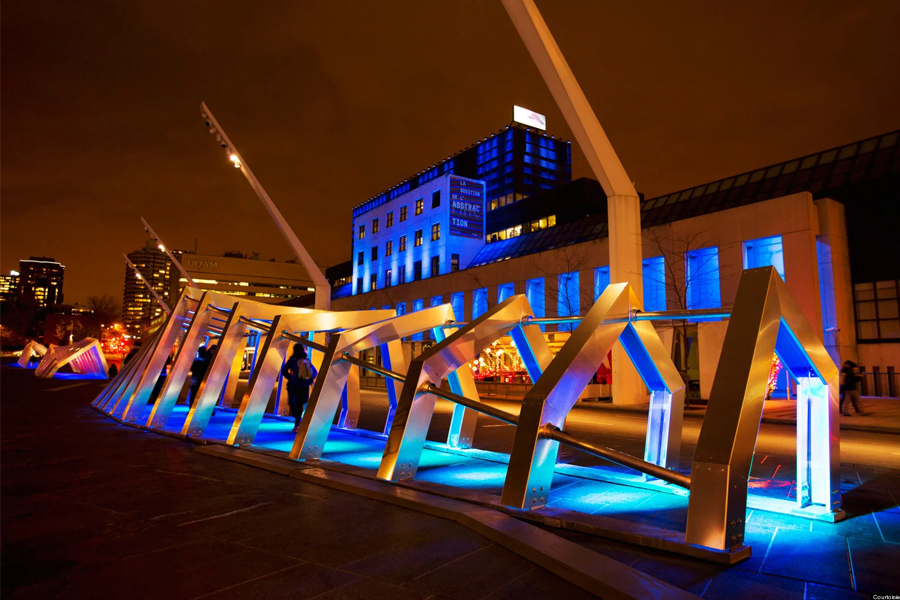
Luminotherapie Canada
The Montreal Light Festival is one of North America’s notable light events, created to bring joy and energy to the winter season. Usually held in public spaces in the city center, the festival combines light, art, and play to offer visitors a unique experience. Montreal’s cold winter becomes an opportunity for gathering and entertainment through this vibrant event.
A distinctive feature of the festival is its emphasis on interactive installations. Many of the light works are designed so visitors can play with them or influence how the lighting is displayed. This approach transforms the audience from passive observers into active participants in the artistic experience.
The Montreal Light Festival has a positive impact on urban life and tourism. It attracts both residents and visitors during the colder months, supporting public spaces and nearby businesses. Its joyful and informal atmosphere makes it a popular event for people of all ages.
Hong Kong Pulse Light Festival China
The Hong Kong Light Festival is one of Asia’s major light events, annually illuminating the city with diverse and captivating displays. The festival is primarily held in central urban areas and scenic waterfront locations, where towers, harbors, and well known streets are transformed into vibrant environments filled with colorful lights and digital effects. The combination of modern architecture and dynamic lighting creates a unique experience for visitors.
A key feature of this festival is its emphasis on innovative technologies and interactive lighting. Many of the installations are designed to allow visitors to engage directly with the artworks and personalize their experience. As a result, audiences become part of the spectacle rather than merely observing it.
The Hong Kong Light Festival plays an important role in attracting tourists and enhancing urban vitality. It increases public activity in city centers and provides an opportunity to showcase the city’s artistic and technological strengths. Additionally, the festival supports cultural growth within the local community, creating space for creativity and innovation.
Ghent Light Festival Belgium
The Ghent Light Festival is one of Belgium’s most captivating cultural and artistic events, held every two years and transforming both the historic and modern parts of the city into a luminous stage of light and color. The festival takes place in open spaces, along bridges and canals, and around historic buildings, where the fusion of light and heritage architecture creates a remarkable visual atmosphere. Visitors can follow designated walking routes to experience a series of creative light installations.
The main focus of this festival is on innovative and experimental artworks. Artists use light and digital technologies to present narratives about Ghent’s history, culture, and urban life. Many of the installations are interactive, changing in response to movement or audience presence, which creates a personal and unique experience.
The Ghent Light Festival plays a significant role in boosting tourism and urban vibrancy. It increases activity in the city center and attracts visitors from various countries, fostering a dynamic and lively environment for social interaction. The festival also provides an international platform for showcasing artistic creativity and innovation.
Jerusalem Light Festival Israel
The Jerusalem Light Festival is one of the most well known cultural and artistic events in the Middle East, held annually in the Old City of Jerusalem. The festival focuses on the city’s historic architecture and ancient urban fabric, illuminating narrow alleyways and historic squares with colorful lights and creative art installations. The combination of light and traditional architecture creates a dreamlike and magical atmosphere, offering visitors a truly unique experience.
A distinctive feature of this event is its emphasis on the city’s cultural and religious narratives. Many of the light installations are inspired by Jerusalem’s history, culture, and spiritual heritage, inviting visitors to reflect and discover the stories embedded in the city. Interactive artworks also encourage audiences to actively participate in the festival experience.
The Jerusalem Light Festival plays a significant role in attracting both domestic and international tourists. It draws art and culture enthusiasts while increasing public presence in urban spaces and supporting the local economy. The festival provides a safe and welcoming environment for families and visitors, bringing vibrant energy to the city at night.
Seoul Lantern & Light Festival South Korea
The Seoul Lantern & Light Festival is one of East Asia’s major light events, centered on lanterns and creative illuminated installations. It is typically held along urban rivers and in major parks throughout Seoul, transforming pedestrian pathways into bright and colorful environments. The blend of light, color, and traditional lantern design creates an engaging and inspiring experience for visitors.
A key feature of this festival is the fusion of traditional and modern art. Many installations are inspired by Korean cultural traditions and combined with contemporary lighting technologies to create visually striking displays. As visitors walk along designated routes and interact with installations, they enjoy a dynamic and personalized experience.
The Seoul Lantern & Light Festival plays an important role in urban tourism and in strengthening the city’s cultural identity. It attracts not only local residents but also international visitors. The large public turnout and festive atmosphere transform the city into a lively and energetic space.
Bangkok Illumination Festival Thailand
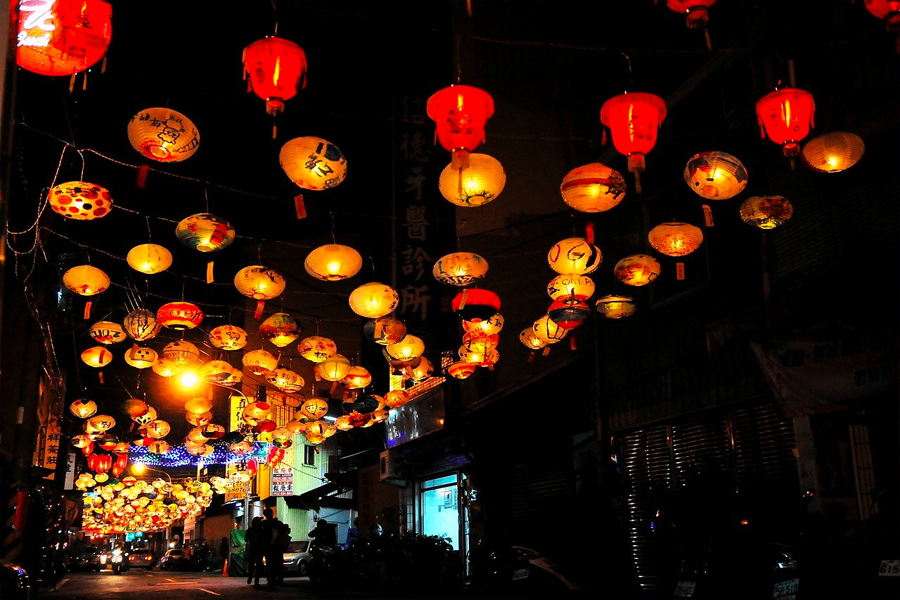
The Bangkok Illumination Festival is one of Southeast Asia’s most captivating artistic and cultural events, organized to revitalize urban spaces and attract tourists. The festival is usually held at prominent landmarks throughout the city, including temples, parks, and busy streets. Through colorful lighting, video mapping, and creative visual effects, it creates a vibrant and joyful atmosphere. The fusion of light and local architecture offers visitors a unique and memorable experience.
A defining characteristic of this event is its blend of tradition and modernity. Many artworks are inspired by Thai culture and traditions while utilizing modern technologies to produce innovative visual effects. Visitors can explore designated walking routes and interact with installations, creating a personal and unforgettable experience.
The Bangkok Illumination Festival plays an important role in boosting tourism and stimulating the urban economy. It draws both local residents and tourists to public spaces, increasing activity throughout the city. The event also provides a platform for showcasing artistic creativity and innovation in lighting and media.
Copenhagen Light Festival Denmark
The Copenhagen Light Festival is one of Europe’s notable light events, held annually during the winter season and transforming the city’s urban environment into a bright and inviting space. The festival takes place across streets, squares, and bridges, where the combination of light with historic and modern architecture creates a striking visual effect. Visitors can follow designated routes to explore a series of artistic light installations.
A prominent feature of this event is its focus on creativity and experience driven design. Many installations are interactive and respond to movement or audience presence. This approach encourages visitors to play an active role in the artistic experience and form a closer connection with the works.
The Copenhagen Light Festival has a considerable impact on tourism and urban life. It increases public activity in open spaces and enhances social vitality, while offering an opportunity to present artistic innovation to international audiences. The festival also provides a warm and welcoming atmosphere for families and visitors.
LuminoCity & Light Festivals United States
The New York Light Festival is one of North America’s largest light events, held annually in various locations across the city and transforming urban spaces into luminous and awe inspiring environments. The festival features light installations, projection mapping, and diverse visual effects that turn skyscrapers, bridges, and iconic squares into artistic stages. Visitors can follow designated routes to experience a collection of creative and visually impressive works.
A standout feature of this event is the integration of digital art, music, and light. Many installations are interactive, allowing visitors to influence the displays through movement or touch, creating a dynamic and unique experience. This approach ensures that audiences are not merely spectators but active participants in the spectacle.
The New York Light Festival has a significant impact on tourism and urban culture. It increases public engagement in city spaces, supports local businesses, and attracts international visitors. The festival also provides a platform for showcasing artistic innovation and creativity in the fields of lighting and digital media.
Shenzhen Light Festival China
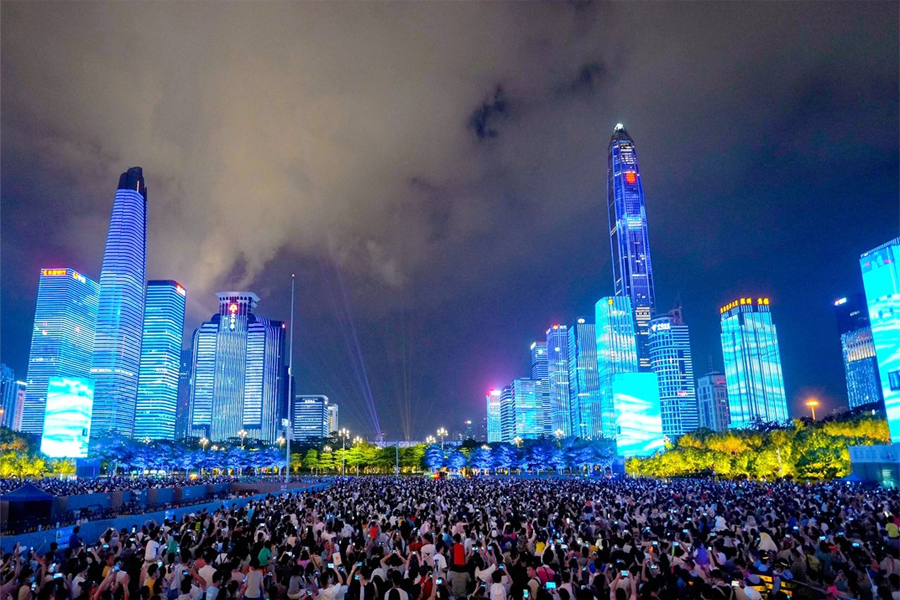
The Shenzhen Light Festival is one of the largest and most modern light events in Asia, held annually in this technology driven city. The festival focuses on skyscrapers, urban parks, and public spaces, using LED lighting, projection mapping, and interactive effects to create a striking and contemporary atmosphere. As visitors move along specially designed routes, they experience an engaging, multi sensory environment.
A defining feature of this festival is the fusion of advanced technology with creative art. Many installations are inspired by digital innovation and modern design, prioritizing audience interaction. This approach allows visitors to enjoy a dynamic and personalized experience, making each visit feel fresh and unique.
The Shenzhen Light Festival plays an important role in presenting the city as a center of innovation and creativity in Asia. It attracts tourists and digital art enthusiasts while contributing to a vibrant urban atmosphere. The festival also provides a platform for showcasing both local and international artistic talent.
Bright Brussels Belgium
The Brussels Light Festival is one of Europe’s prominent light events, held annually with the goal of revitalizing urban spaces and attracting tourists. The festival takes place in city squares, streets, and historic buildings, where colorful lighting, projection mapping, and artistic installations create a visually captivating and dynamic environment. Visitors can follow designated walking routes to experience the artworks and enjoy the blend of light and historic architecture.
A key feature of this festival is its emphasis on creativity and audience interaction. Many installations are interactive and change in response to visitors’ movement or presence, offering a personal and engaging experience. The lighting displays also communicate cultural and historical narratives of the city.
The Brussels Light Festival plays an important role in tourism and the urban economy. It attracts both domestic and international visitors and supports local businesses, restaurants, and hotels. The event also serves as a platform for presenting artistic innovation and new technologies in lighting and media.
Best Time to Travel and Why Light Festivals Have Become a Global Trend
The best time to visit light festivals is usually during autumn and winter, when nights are longer and darkness falls earlier. Extended nighttime hours allow the full impact of light installations to be experienced, as visual effects are more striking in darker conditions. Many festivals are also scheduled to coincide with holiday seasons and peak tourism periods, making them more accessible to both local and international visitors.
Light festivals have become a global trend because light is a universal medium for communication, art, and urban experience. These events combine creativity, technology, and urban design to create visually compelling and interactive experiences. Beyond their beauty, they stimulate tourism, strengthen local economies, and encourage greater public engagement with urban spaces. Many cities use these festivals to position themselves as modern, creative, and culturally vibrant destinations.
Light festivals not only offer visual appeal but also enhance social vitality and shared urban experiences. The integration of art, technology, and social interaction has made these events increasingly popular worldwide, turning them into an essential part of the cultural and tourism calendars of major cities.
Conclusion
Light festivals are artistic and cultural events that transform urban spaces into visually stunning and interactive environments through the combination of light, technology, and creativity. From the Amsterdam Light Festival to Bright Brussels, each city showcases its own distinctive style and identity through these celebrations.
These events not only create visual spectacle but also strengthen tourism, urban economies, and social interaction. By using light as a tool for artistic expression and immersive experience, cities have succeeded in creating modern, dynamic, and inspiring environments for both residents and visitors establishing light festivals as one of the world’s most prominent cultural trends.