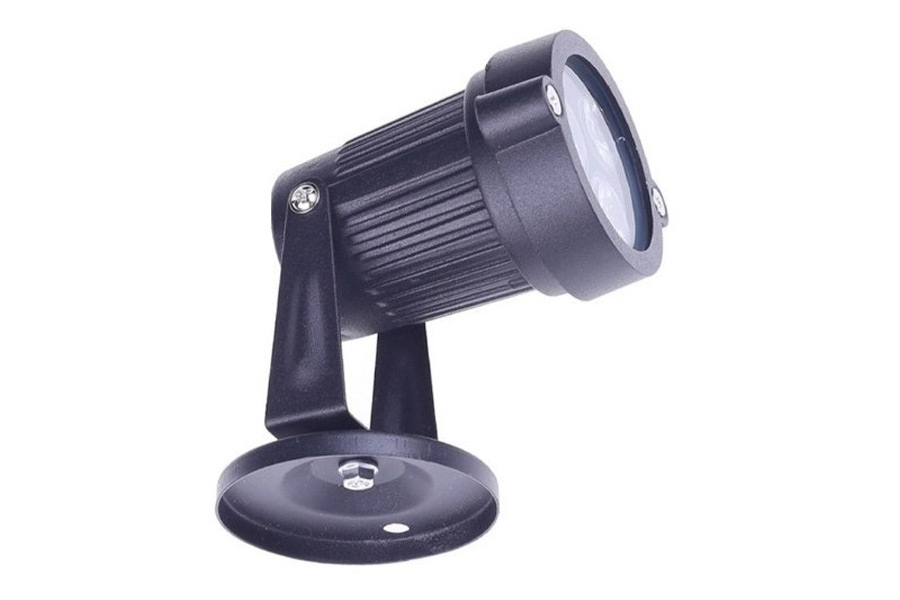
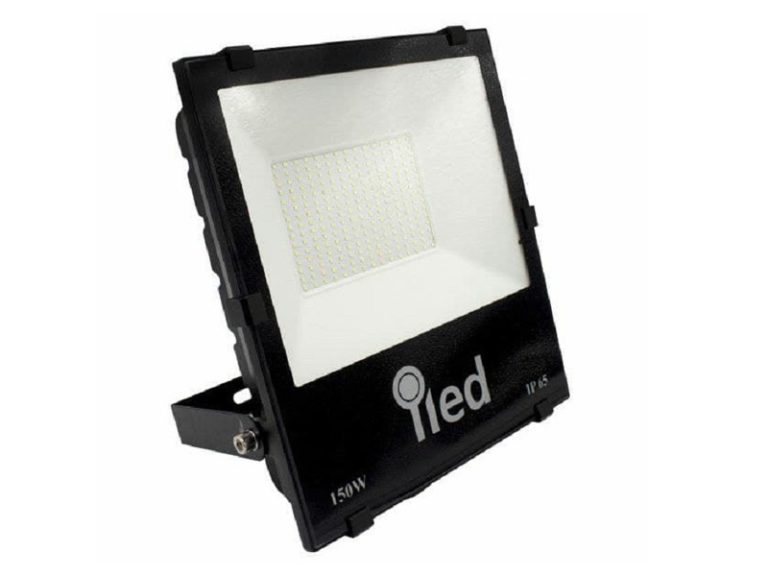
A celestial lighting projector is a specialized piece of equipment in the field of architectural lighting, designed to create vertical, upward directed light effects. This type of lighting is primarily used to emphasize height, the overall form of a structure, and to evoke a sense of grandeur in urban and architectural spaces.
Unlike simple decorative lights, these systems are part of professional lighting design and play a crucial role in the nighttime visual identity of buildings. In architectural projects, upward lighting makes the building’s overall form more legible and accentuates its vertical lines.
This is especially important for high rise buildings, commercial complexes, towers, and iconic structures. Lights directed toward the sky guide the viewer’s gaze upward, creating a sense of spatial magnificence and authority.
Functionally, this type of lighting is not just for aesthetics. In many projects, it directly improves nighttime readability of spaces, defines volumes more clearly, and even enhances the sense of security in the environment. When implemented in a well engineered manner, it not only beautifies the space but also brings visual order and spatial harmony.
Technically, these systems typically feature high luminous power, controlled beam angles, durable housings resistant to environmental conditions, and suitability for outdoor installation. The type of light source, color temperature, intensity, and light distribution all directly affect the final quality. Incorrect selection of these parameters can lead to glare, light pollution, or disruption of the space’s visual appeal.
Ultimately, celestial lighting achieves its maximum impact when considered as part of an integrated lighting design, rather than as an independent element. Its coordination with architecture, facade materials, and spatial function produces a professional, lasting, and impressive result.
Applications of Celestial Lighting Projectors
The applications of this type of lighting in architectural projects are wide ranging and diverse. Depending on the type of space, project scale, and design goals, it can serve different functions. One of the primary uses is to highlight the overall form of a building and visually emphasize its vertical structure. This makes the building stand out more prominently at night compared to its surroundings.
In open spaces, upward lighting plays an important role in creating visual depth. Illuminating vertical elements such as trees, columns, tall walls, or architectural features forms spatial layers and adds a sense of dynamism to the environment. This type of lighting enhances the nighttime experience of the space, making it more pleasant and professional for users.
In commercial projects, hotels, and shopping centers, this technique serves as a tool to attract attention. Lights intentionally aimed upward draw the viewer’s eye to the building and support spatial branding. In urban areas, this method is also widely used to highlight important landmarks, iconic buildings, and special structures.
In cultural and religious projects, vertical lighting can convey a sense of spirituality, calm, or grandeur. Correct selection of light intensity, color, and angle is crucial in these spaces, as even small mistakes can disrupt the spatial concept.
Celestial lighting projectors achieve the best results when selected and implemented based on careful analysis of the space, its function, project location, and design objectives. Using this system properly not only enhances visual beauty but also establishes a coherent and professional nighttime identity for the space.
Advantages of Using Celestial Lighting Projectors in Outdoor Spaces
Using celestial lighting in outdoor spaces is one of the most effective methods to enhance the visual quality of the environment at night. By emphasizing vertical elements, this type of lighting adds depth to the space and clarifies its overall structure. In courtyards or open areas with architectural appeal during the day, proper nighttime lighting can maintain and even enhance that appeal.
One of the main advantages is the improved visual readability of the space at night. When light is directed upward in a controlled manner, boundaries, volumes, and key elements of the environment are clearly defined. This helps users interact with the space more intuitively and reduces feelings of confusion or insecurity. In public and semi public spaces, this factor becomes even more important.
Aesthetically, vertical lighting creates a sense of grandeur and dynamism. Spaces with tall trees, high walls, or distinctive elements appear more striking with this approach. Lights moving upward make the environment feel livelier and more professional, enhancing the nighttime experience for users.
Another significant advantage is strengthening the visual identity of the project. In many commercial, residential, and urban projects, outdoor lighting plays a major role in leaving a lasting impression on viewers. Intelligent use of light distinguishes the space from its surroundings and increases the visual value of the project.
Celestial lighting projectors provide maximum benefit when the light intensity, beam angle, and color are carefully selected according to environmental conditions. In this way, in addition to enhancing beauty, light pollution is minimized, and a professional, sustainable result is achieved.
Which Projects Are Suitable for Celestial Lighting Projectors?
Due to their unique technical and visual characteristics, celestial lighting projectors can be used in a wide range of projects and are not limited to a specific application. Projects with medium to large scales that require visibility at night benefit the most from this technique. Particularly in spaces where vertical elements play a significant architectural role, upward lighting can highlight the overall form of the project.
In building projects such as residential towers, commercial complexes, and office buildings, this type of lighting is used to emphasize height and the overall structure. Vertical lighting ensures that the building has a more prominent presence at night and stands out from its surrounding context. This is especially effective in projects where branding and visual identity are important.
In outdoor landscaping projects such as parks, gardens, plazas, and residential complexes, celestial lighting helps create spatial depth and better define elements. Illuminating trees, walls, or architectural features makes the space appear more structured and attractive at night. This technique also enhances the nighttime experience for users.
Cultural, religious, and historical projects are other applications of this type of lighting. In these spaces, vertical lighting can reinforce a sense of grandeur, tranquility, or spirituality. In such projects, careful design and selection of lighting parameters is crucial to maintain the intended spatial concept.
Celestial lighting projectors are suitable for projects where lighting design is considered a serious and purposeful element. When this system is chosen with proper understanding of the space and project requirements, it can significantly enhance the architectural and visual value of the environment.
Difference Between Celestial Lighting Projectors and Regular Projectors
At first glance, projectors may appear similar in form, but their performance and applications are significantly different. Regular projectors are primarily used for general illumination or limited emphasis on a specific surface, whereas celestial lighting is designed to create vertical effects and emphasize the overall form of the space. This difference in purpose results in distinct structural and technical specifications for these devices.
One of the most important differences is in the beam angle and light distribution. Regular projectors usually spread light directly and broadly across surfaces, while vertical lighting requires precise control over the angle of emission. This control ensures that the light is directed purposefully upward, preventing unwanted dispersion. The result is a cleaner and more professional visual effect.
There are also differences in luminous power and light quality. Equipment used in celestial lighting typically has higher intensity and greater consistency to effectively cover tall elements. Additionally, attention to color temperature and light uniformity is critical, as even minor inconsistencies can affect the entire nighttime appearance of the space.
In terms of design and implementation, specialized equipment requires greater technical knowledge and experience. Incorrect placement or improper selection can cause glare or light pollution. Celestial lighting projectors are designed for projects where lighting is part of the architectural identity, not merely a source of illumination. This professional approach is the main distinction from regular projectors.
Key Considerations When Choosing Celestial Lighting Projectors
Selecting the appropriate equipment for vertical lighting directly impacts the final quality of a project and cannot be done arbitrarily. First and foremost, the type of project, space scale, and design objectives must be carefully evaluated. Lighting a tall facade is fundamentally different from lighting an open area, and equipment selection should reflect these conditions.
Beam angle and light control capabilities are critical factors. Devices that allow precise light direction produce more professional results and prevent unwanted dispersion. This is particularly important in urban areas and near residential zones, where glare and light pollution must be controlled.
Light intensity and color temperature also play a decisive role. Excessive light can cause visual exaggeration and discomfort, while insufficient light may fail to create the desired effect. The light color should be coordinated with facade materials, space function, and the intended ambiance to achieve a balanced and visually pleasing result.
Environmental conditions are another important consideration. Resistance to moisture, dust, and temperature variations is essential for outdoor use. Equipment that lacks technical quality can lead to higher maintenance costs and reduced lighting performance over time.
Ultimately, selecting a celestial lighting projector delivers the best results when it is based on a thoughtful lighting design rather than only technical specifications. Coordination between the equipment, architecture, and proper implementation is key to achieving successful and lasting lighting.
The Role of Celestial Lighting Projectors in Modern Lighting Design
In modern lighting design, light is not just a tool for illumination; it is recognized as an active element in shaping space. In this approach, lighting helps architects redefine the form, texture, and structure of a space at night. Vertical lighting has emerged as a prominent technique in contemporary projects in recent years and plays a key role in establishing visual identity.
In modern architecture, simplicity of form and clean lines are highly valued. Upward directed lighting makes these lines more visible at night and enhances the legibility of the building’s overall volume. Controlled lighting allows architects to emphasize the main features of a structure without adding extra elements, creating a minimal yet impactful effect.
In modern open spaces, vertical lighting also contributes to depth and spatial layering. Illuminating vertical elements such as walls or prominent features makes the space appear structured and dynamic at night. This is especially important in projects where user experience is a critical consideration.
Coordination of lighting with materials is another principle of modern design. The type and intensity of light should be chosen to accurately reveal material textures without exaggeration or loss of detail. Proper selection of color temperature and intensity ensures the space feels natural and professional.
Celestial lighting projectors achieve maximum impact in modern design when integrated as part of a comprehensive lighting system. Combining them with other lighting layers produces a cohesive, lasting result that aligns with contemporary architectural principles.
Proper Implementation of Celestial Lighting Projectors on Facades and in Open Spaces
Correct execution is one of the most important steps in achieving optimal results, as even the best equipment cannot deliver quality without proper installation. Before starting, a detailed analysis of the space, architecture, and environmental conditions is essential. Understanding heights, angles, and focal points forms the foundation for successful implementation.
For facade lighting, the placement of equipment is crucial. Fixtures must be installed to direct light evenly and controllably upward, avoiding unwanted shadows or glare. Harmonizing lighting with architectural lines ensures that the facade is legible and coherent at night.
Open spaces present different conditions. Factors such as the distance of fixtures from target elements, type of vegetation, and movement paths must all be considered during design and installation. Proper execution ensures that lighting not only enhances beauty but also guides users visually and reinforces a sense of security.
Technical considerations such as cabling, mounting angles, and light intensity adjustments also significantly impact final quality. Neglecting these aspects can reduce performance in the short term and lead to higher maintenance costs in the long term. Precise implementation increases equipment lifespan and the stability of the lighting system.
Celestial lighting projectors deliver professional results when installed according to lighting design principles and technical standards. Combining design knowledge with practical experience guarantees effective, beautiful, and long lasting lighting for facades and open spaces.
Factors Affecting the Price of Celestial Lighting Projectors
The cost of lighting equipment depends on multiple factors and cannot be fixed at a single value. In vertical lighting, technical specifications and build quality play a decisive role in final pricing. The type of light source, luminous power, chip quality, and light consistency are among the main parameters that directly affect cost. Higher quality lighting equipment typically costs more but offers better long term performance.
The material and environmental resistance of the housing are also critical. Fixtures designed for outdoor use must withstand moisture, dust, and temperature fluctuations. These features increase durability and reduce maintenance costs, but naturally affect the initial price as well.
Beam angle and light control capabilities are also important. Equipment that allows precise adjustment and targeted light direction is usually considered professional grade. These features enable designers to execute precise lighting and minimize light wastage, adding value and influencing the final cost.
Beyond the equipment itself, project design and installation contribute to overall cost. Projects requiring detailed analysis, specific placement, and specialized installation naturally incur higher expenses. In this context, price is not only about purchasing equipment but also includes technical expertise and implementation experience.
Celestial lighting projectors demonstrate their true value when price is evaluated alongside quality, longevity, and final visual results. Informed selection ensures that the investment becomes a long term benefit.
Conclusion
Celestial lighting is one of the most effective techniques for enhancing the visual quality of architectural spaces at night. By emphasizing vertical elements, it improves form readability, increases visual appeal, and establishes a strong nighttime identity. Choosing the right equipment, applying proper design principles, and executing with precision are the three main factors for successful lighting.
When lighting is applied purposefully and in harmony with architecture, it produces a professional, lasting result that suits the function of the space. Celestial lighting projectors, when considered as part of an integrated lighting design, can significantly enhance the architectural value of a project and create a unique nighttime experience.