
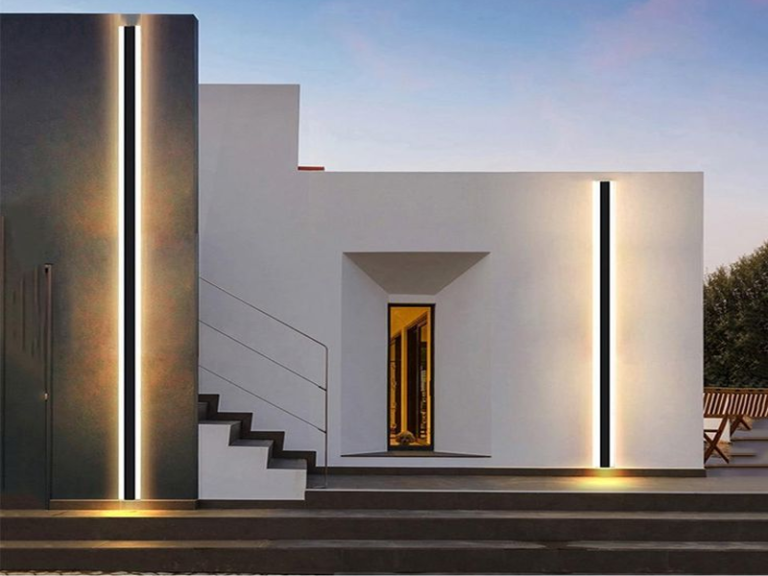
Exterior building facade lighting is one of the most effective ways to enhance visual appeal and create identity in urban spaces. Among various lighting methods, linear lights have gained a special position in facade design due to their elongated form and ability to produce uniform illumination.
These fixtures are designed to be installed along architectural lines, edges, grooves, and different parts of a building facade, creating an orderly and harmonious visual effect. In technical terms, exterior facade lighting with linear lights refers to a method in which light is cast continuously and in a controlled manner across the facade surface to better reveal the building’s overall form, volumes, and architectural details.
Unlike point lighting, which focuses on illuminating a specific area, linear lighting emphasizes visual continuity and the presentation of the facade’s overall structure. This characteristic gives the building a modern, organized, and professional appearance at night.
Linear lights are typically resistant to environmental conditions such as moisture, dust, and temperature fluctuations, making them a suitable choice for outdoor applications. They also offer flexibility in selecting light color and brightness levels, allowing designers to create lighting schemes that align with the building’s architectural style and function.
Today, the use of linear lights in the facades of residential, commercial, and office buildings has become increasingly common due to their compatibility with contemporary architectural styles. In addition to aesthetics, this lighting method enhances facade attractiveness and conveys a sense of order and quality in the building’s exterior appearance.
Applications of Exterior Facade Lighting with Linear Lights
Exterior facade lighting plays a significant role in shaping the viewer’s perception of a building, and linear lights are considered one of the most widely used tools in this field. One of the primary applications of linear lights is to better highlight architectural lines and improve facade legibility at night. When installed along vertical or horizontal lines, these lights clarify the building’s overall structure and make its main form more visually prominent.
In residential projects, exterior facade lighting with linear lights creates a sense of order, calmness, and harmony. This type of lighting can subtly and controllably emphasize main entrances, balconies, or window frames without producing glare or visual discomfort. In commercial and office buildings, linear lights are widely used to attract attention, enhance visual appeal, and reinforce brand identity.
Another important application of linear lights is the visual separation of floors. In multi story buildings, linear lighting can define the boundary of each level, making the building’s height appear more structured and balanced. In modern and minimalist facades, linear lights act as a complementary design element, creating a professional appearance without visual clutter.
Beyond aesthetics, linear facade lighting also serves functional purposes. Improving visibility around the building, enhancing nighttime safety, and providing visual guidance are among the practical benefits of this lighting method. For this reason, linear lights are now considered not only decorative elements but also an essential part of well planned exterior facade design.
Advantages of Exterior Facade Lighting with Linear Lights
Using linear lights in exterior facade lighting offers numerous advantages, making them a preferred choice for designers. One of the most important benefits is the creation of uniform and continuous illumination. This ensures that the facade appears balanced and visually pleasing, without irregular shadows or excessively bright spots.
Another key advantage of linear facade lighting is its strong compatibility with modern architectural styles. The simple, elongated design of linear lights blends easily with clean, geometric facade lines, creating a cohesive appearance. This is particularly important for buildings with stone, concrete, or composite facades.
From an economic perspective, linear lights are also a cost effective option. Low energy consumption, long lifespan, and reduced maintenance requirements help lower long term facade lighting costs. Additionally, the ability to control light intensity prevents unnecessary energy usage.
Flexible installation is another significant advantage of linear lights. They can be installed as recessed or surface mounted fixtures, allowing designers to choose the most suitable placement based on facade design. This flexibility enables creative lighting solutions without technical limitations.
Ultimately, the proper use of linear lights enhances both the visual and economic value of a building. An attractive and professional nighttime facade can directly influence audience perception and decision making, especially in commercial and luxury residential projects.
Types of Linear Lights for Exterior Facades
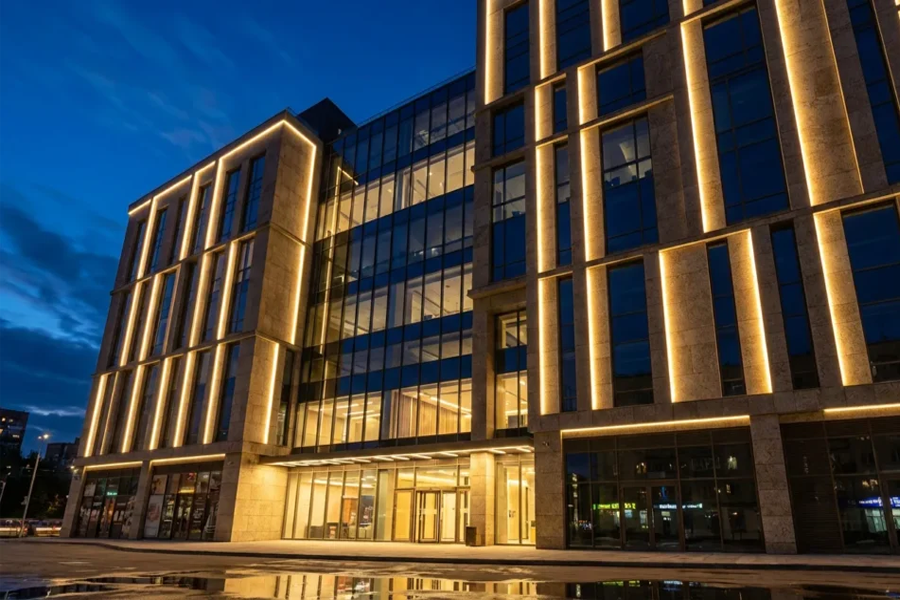
Selecting the appropriate type of linear light plays a crucial role in the final quality of facade lighting. Linear lights designed for exterior facades are produced in various models and structures, each suited to specific conditions and architectural styles. Understanding these types helps designers and installers achieve the best possible results in terms of both aesthetics and performance.
One of the most common classifications includes surface mounted and recessed linear lights. Surface mounted linear lights are installed directly onto the facade surface and are typically used in projects where creating grooves or concealed spaces is not feasible. In contrast, recessed linear lights are installed within the facade structure or architectural grooves, creating a seamless and minimalist appearance.
In many modern projects, the use of recessed linear lights for exterior facade lighting is considered a professional choice. From an environmental resistance standpoint, exterior linear lights are specifically designed for outdoor use. These fixtures are resistant to moisture, dust, and temperature fluctuations, ensuring stable performance under various weather conditions.
Some models feature special protective coatings that extend their lifespan. Another important characteristic of linear lights is the variety of available light colors. The option to choose warm, neutral, or cool light allows designers to create the most suitable lighting composition based on facade materials and architectural style.
Additionally, some linear lights offer either uniform or focused light distribution, which is highly effective in emphasizing architectural lines. Ultimately, the selection of linear lights should be based on installation conditions, lighting objectives, and harmony with the overall facade design to achieve a professional and long lasting result.
Designing Exterior Facade Lighting with Linear Lights
Proper facade lighting design is a prerequisite for successful and professional execution. Without careful planning, even the highest quality equipment may fail to deliver the desired outcome. In linear facade lighting design, the architectural structure of the building must first be carefully analyzed. Vertical and horizontal lines, volumes, and key facade elements determine the placement of the lights.
During the design process, the primary lighting objective is defined. Sometimes the focus is on highlighting the building’s overall form, while in other cases emphasis is placed on specific details such as entrances or frames. In these situations, the correct use of exterior facade lighting with linear lights can create a balanced interplay of light and shadow while preventing visual clutter.
One of the most important design considerations is selecting the appropriate light intensity. Excessive lighting can cause visual fatigue and reduce the facade’s aesthetic appeal, while insufficient lighting lacks the necessary impact. Therefore, adjusting brightness levels according to the building’s scale and the viewer’s distance is essential.
Light color selection should also be coordinated with facade materials. For example, stone facades often appear more attractive under warm light, while modern facades with simpler materials can benefit from neutral or cool lighting. Observing this harmony ensures that the lighting appears natural and visually pleasing.
Ultimately, lighting design should prioritize not only aesthetics but also ease of installation and maintenance, as well as cost efficiency. A well planned design provides a strong foundation for successful and durable facade lighting execution.
Execution of Exterior Facade Lighting with Linear Lights
Proper execution of facade lighting plays a decisive role in its final quality and durability. Even the best designs will not achieve the desired result if they are not implemented correctly. During the execution phase, the first step is to assess the physical conditions of the facade and prepare the installation areas. The facade surface must be clean, durable, and suitable for mounting the fixtures to ensure safe and secure installation.
In the execution of exterior facade lighting with linear lights, careful attention to fixture placement is essential. The spacing between lights, the angle of illumination, and cable routing must be predetermined. Accurate and orderly installation ensures uniform light distribution across the facade and prevents dark areas or overly bright spots.
Proper waterproofing and insulation are among the most critical stages of execution. Since exterior lights are exposed to environmental factors such as rain and dust, the use of weather resistant fixtures and standard connections is essential. Observing these principles increases the lifespan of the lighting system and reduces long term maintenance costs.
Execution should also allow for future maintenance or replacement of the fixtures. Providing easy access to lighting components without damaging the facade is a key principle of professional implementation. Ultimately, coordination between the design and execution teams plays a vital role in project success. When execution precisely follows the design, the final result is an attractive, orderly, and long lasting facade.
Key Considerations in Exterior Facade Lighting with Linear Lights
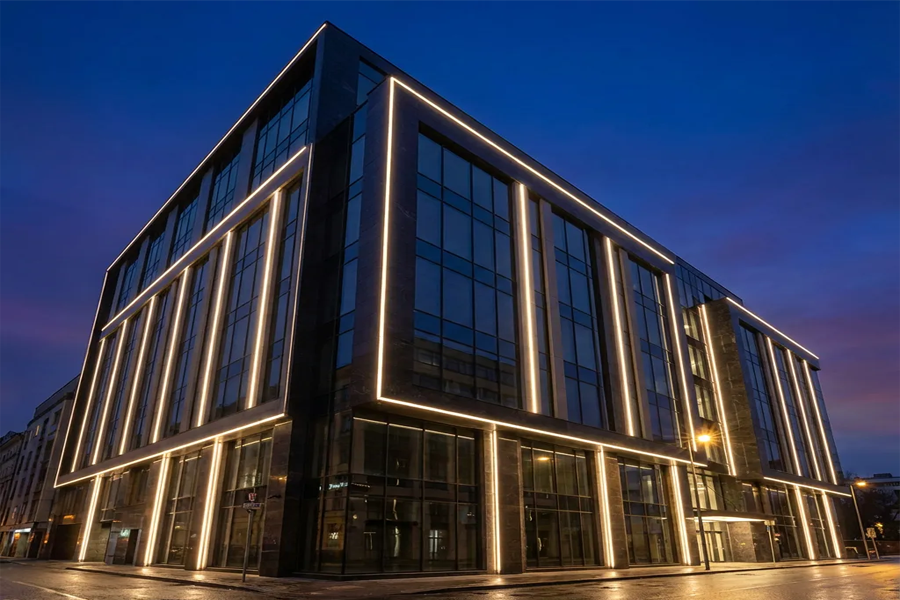
Observing essential principles in exterior facade lighting can make a significant difference in the final outcome. One of the most important considerations is avoiding excessive lighting. Overuse of light not only diminishes the facade’s aesthetic value but also causes visual discomfort and increases energy consumption. Lighting should be purposeful and proportional to the building’s scale.
In exterior facade lighting with linear lights, harmony between lighting and architectural design is crucial. Fixtures should not be installed randomly; instead, they should follow the main lines and elements of the facade. This coordination ensures a natural and professional appearance.
Selecting the appropriate light color is another fundamental consideration. The light color should be compatible with facade materials, the building’s dominant colors, and the surrounding environment. Improper color selection can make the facade appear artificial or visually inconsistent. Light intensity should also be adjusted to highlight architectural details rather than obscure them.
Another important factor is consideration for neighboring buildings and surrounding spaces. Facade lighting should not create light pollution or visual disturbance for nearby properties. Proper control of beam angles and light distribution is essential in this regard.
Finally, regular maintenance of the lighting system should not be overlooked. Periodic inspection of fixture performance and timely resolution of minor issues help preserve lighting quality and extend the lifespan of the equipment.
Common Mistakes in Exterior Facade Lighting with Linear Lights
In many projects, the final result of facade lighting fails to achieve the desired quality due to several common mistakes. One of the most significant errors is the lack of a clear design plan before execution. Implementing lighting without precise planning often leads to irregular fixture placement and poor coordination with the building’s architecture.
In exterior facade lighting with linear lights, incorrect selection of installation locations is another frequent mistake. Installing fixtures in positions that create direct glare or uncomfortable viewing angles reduces the facade’s visual appeal and results in an unpleasant experience for viewers. Additionally, ignoring standard spacing between fixtures can cause uneven light patches or unwanted shadows.
Using unsuitable equipment for outdoor environments is also a common error. Fixtures that lack sufficient resistance to moisture and environmental conditions quickly lose performance or become damaged. This not only increases maintenance costs but also negatively affects the facade’s appearance.
Another major mistake is choosing inappropriate light color and intensity. Excessive brightness or light colors that are incompatible with facade materials can create an artificial and unbalanced look. Lighting should complement the architecture rather than dominate it in a distracting or uncomfortable way.
Finally, neglecting regular maintenance of the lighting system leads to a gradual decline in lighting quality over time. Periodic inspections and addressing minor issues can prevent larger problems and extend the durability of the lighting installation.
Cost of Exterior Facade Lighting with Linear Lights
The cost of exterior facade lighting depends on several factors and cannot be defined as a fixed amount. One of the most influential factors is the size and complexity of the building facade. As the facade area increases and includes more architectural details, the number of fixtures and execution time also rise.
When calculating the cost of exterior facade lighting with linear lights, the type and quality of the fixtures play a crucial role. Higher quality linear lights generally offer greater durability and are more cost effective in the long term. Although premium, weather resistant equipment involves higher initial costs, it helps prevent future repair and replacement expenses.
Another factor affecting cost is the method of installation. Recessed installation typically requires greater precision and more time than surface mounted installation, resulting in higher costs. Installation conditions, such as building height and accessibility, can also influence the final project cost.
Lighting design itself represents a portion of the total cost. A professional and well planned design may involve a separate fee, but it optimizes the number of fixtures and energy consumption. Over time, this contributes to a reduction in overall expenses.
Finally, maintenance and energy consumption should be considered when estimating costs. Proper fixture selection and standard installation reduce ongoing expenses and turn facade lighting into a smart, long term investment.
Choosing the Right Linear Light for Exterior Facades
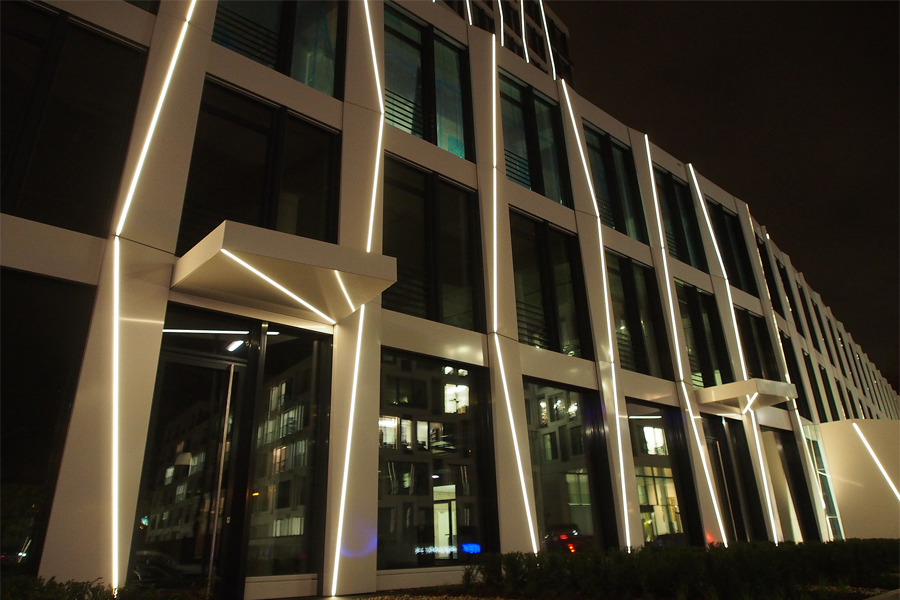
Selecting the appropriate fixture is one of the most critical steps in exterior facade lighting, as the final quality of the project largely depends on this decision. First, the environmental and climatic conditions of the project location must be evaluated. Fixtures used for exterior facades should have sufficient resistance to moisture, precipitation, dust, and temperature variations to ensure long term performance.
In choosing fixtures for exterior facade lighting with linear lights, compatibility with the facade design is essential. Fixture dimensions, light intensity, and beam angle should align with the building’s architectural lines. Oversized fixtures or excessively powerful lighting can disrupt visual balance and create an uncoordinated appearance.
Light color is another determining factor in fixture selection. The color temperature should complement the facade materials to create a natural and pleasing visual effect. Proper light color selection enhances facade textures and gives the building a distinct visual character.
Build quality and internal components of the fixtures are also crucial considerations. High quality linear lights typically provide more uniform illumination and maintain color consistency over time without noticeable light degradation. Ease of installation and accessibility for maintenance or replacement also play an important role in reducing long term maintenance costs.
Ultimately, selecting the right linear light should be based on budget, lighting objectives, and long term durability. An informed decision at this stage ensures that exterior facade lighting is not only visually appealing but also technically efficient and economically sustainable.
Conclusion
Overall, exterior facade lighting plays a vital role in enhancing a building’s aesthetics, identity, and visual value. The proper use of exterior facade lighting with linear lights allows for the organized presentation of architectural lines, the creation of a modern appearance, and improved facade legibility at night.
Careful fixture selection, precise design, and standard execution are key factors in achieving a professional and long lasting result. By observing technical principles and avoiding common mistakes, exterior facade lighting can be implemented in a way that is not only visually attractive but also economically efficient and functionally effective.