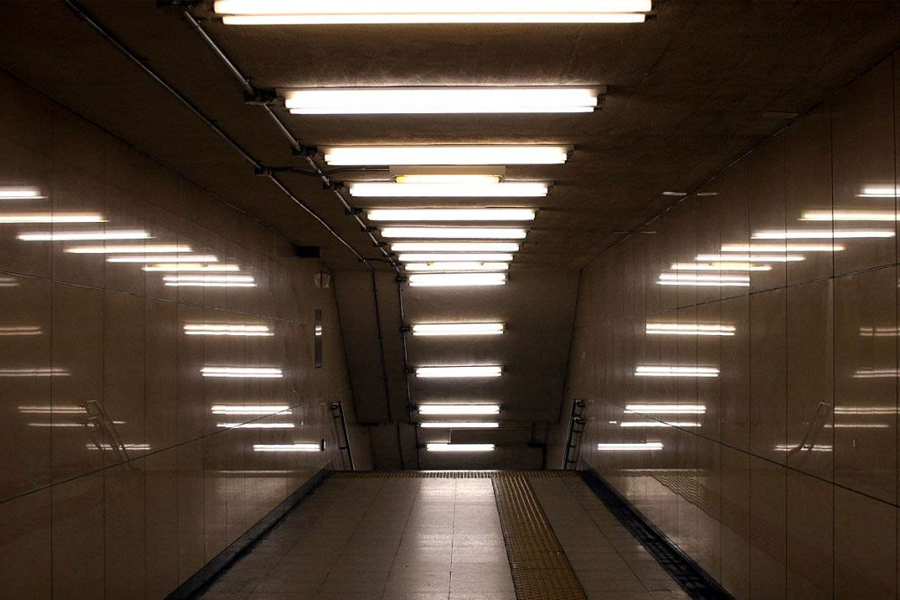
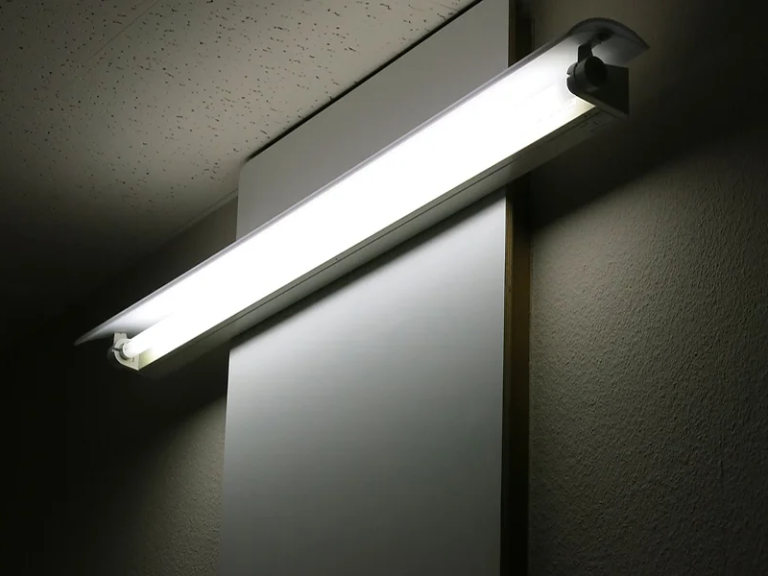
Lighting with fluorescent lamps is one of the popular methods of illumination in residential, office, and industrial environments, known for its low energy consumption and uniform light output. These lamps produce bright white light using gas and an internal phosphor coating, making them ideal for reading, detailed work, and general illumination. One of the key features of this type of lighting is its energy efficiency compared to traditional incandescent bulbs.
The long lifespan of fluorescent lamps reduces the need for frequent replacements and significantly lowers maintenance costs. Additionally, these lamps provide uniform light distribution in large spaces such as offices, classrooms, and stores. However, it is important to note that their sensitivity to impact and the need for a ballast for proper operation are limitations.
Moreover, the light produced may cause unwanted glare or shadows in certain settings, making careful lighting design crucial. In summary, this lighting method combines energy savings, long lifespan, and the ability to provide broad and even illumination, making it a reliable choice for both residential and commercial applications.
Types of Fluorescent Lamps and Their Applications in Lighting
Fluorescent lamps are manufactured in various models and structures to meet diverse lighting needs. Understanding these types helps in selecting the most suitable lamp for each space and improving lighting efficiency. In fluorescent lighting, choosing the appropriate type of lamp plays a vital role in light quality, energy consumption, and system longevity.
One of the most common types is the linear fluorescent lamp, typically used in office, educational, and commercial spaces. Its uniform light distribution makes it highly practical for general lighting in large areas. Another type is the compact or low energy fluorescent lamp, which is smaller in size and mostly used in homes, wall sconces, or ceiling fixtures.
Circular fluorescent lamps are also used for specialty fixtures and modern designs, providing a different visual effect. In addition to their shape, these lamps vary in color temperature, from cool white light suitable for work environments to warmer light for residential spaces.
The choice of each lamp type depends on the installation location, required light level, and the type of activity in the space. Using the appropriate model ensures more uniform lighting, lower energy consumption, and a better visual experience. Therefore, familiarity with the types of fluorescent lamps is an important step in designing an efficient lighting system.
Advantages of Fluorescent Lamp Lighting
Fluorescent lamp lighting offers multiple advantages, contributing to its popularity in various environments. The main benefit is low energy consumption; these lamps can use up to 75% less electricity compared to incandescent bulbs, reducing electricity costs at home and work.
Another advantage is the long lifespan of these lamps, which eliminates frequent replacements and simplifies maintenance. Their flicker free and uniform light is ideal for spaces requiring focus, such as offices, schools, and workshops. Additionally, their bright white light renders colors naturally and provides visual comfort for reading or computer work.
High installation flexibility, compatibility with ceiling fixtures, panels, and linear lighting, along with low heat generation, are other notable features. For these reasons, fluorescent lighting is both economical and well suited for providing broad, efficient illumination in a variety of spaces.
Comparison Between Fluorescent and LED Lamps
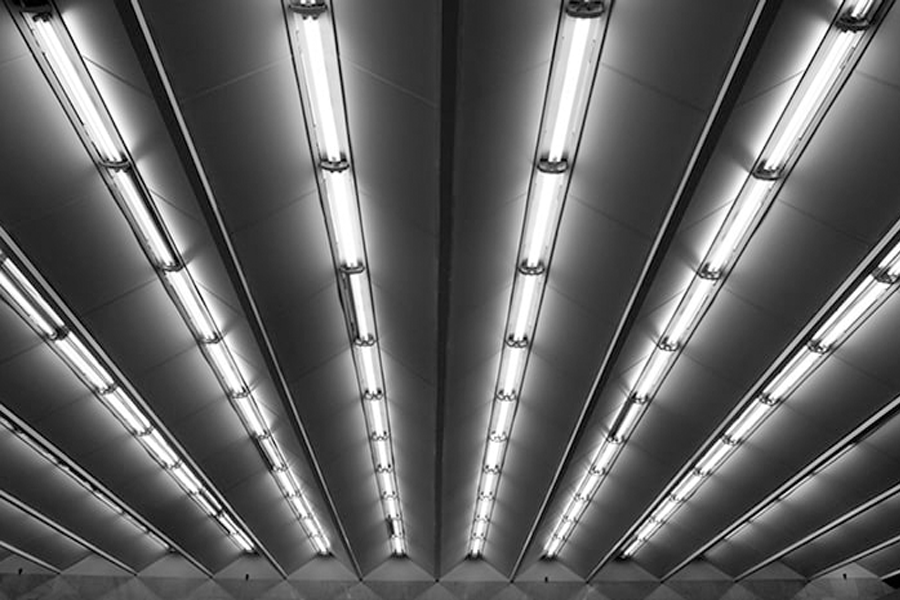
Comparing different light sources helps users make the best choice for their environment. One of the most common comparisons is between fluorescent and LED lamps, as both fall into the category of energy efficient lighting. In fluorescent lighting, the main focus is on reducing energy consumption and providing uniform light, while LED technology offers different advantages.
In terms of power consumption, LED lamps generally use less energy than fluorescent lamps, but their initial purchase cost is higher. In contrast, fluorescent lamps are more affordable, making them an economical choice for budget conscious projects. LEDs typically have a longer lifespan, but fluorescent lamps also offer a reasonable lifespan compared to traditional incandescent bulbs.
Regarding light quality, fluorescent lamps provide broad and uniform illumination, ideal for workspaces and general areas. LEDs offer greater flexibility in controlling light intensity and color, and are often used in modern designs. Additionally, LEDs are more resistant to frequent switching on and off.
Ultimately, the choice between the two depends on the type of space, budget, lighting requirements, and user preferences. Both technologies have their own advantages and limitations, and an informed choice can significantly improve lighting system performance.
Choosing the Right Fluorescent Lamp for Lighting
Selecting the correct light source plays a crucial role in lighting quality and visual comfort. When designing or implementing fluorescent lighting, several factors must be considered to ensure the final result is both practical and energy efficient. The first consideration is the size of the space and the amount of light it requires.
Large areas such as offices or stores need lamps with higher light output and more uniform distribution. The next important factor is the type of space. For work or educational environments, cool white light is usually preferred as it enhances focus. Conversely, softer lighting is more suitable for residential or relaxation spaces to create a calming atmosphere.
The lamp’s shape and size should also match the fixture and installation location to prevent light wastage. Paying attention to build quality and brand reputation is important, as higher quality lamps typically provide more stable light, longer lifespan, and lower energy consumption.
Reviewing technical specifications such as wattage and luminous output also helps in making a precise choice. In the end, selecting the right fluorescent lamp reduces energy costs, increases system durability, and enhances the user’s visual experience. An informed decision at this stage directly impacts efficiency and satisfaction with the lighting environment.
Installation and Use of Fluorescent Lamps
Proper installation and correct use of lighting equipment significantly affect performance and lifespan. In fluorescent lighting, following simple guidelines can prevent technical problems and maintain light quality. The first point is using standard components, such as a suitable ballast and secure connections, which are crucial for stable lamp operation.
The installation location should allow light to spread evenly across the space. Improper installation can create shadows, glare, or dark spots. Maintaining appropriate spacing between lamps, especially in large areas, further improves lighting quality.
Another important factor is avoiding frequent switching on and off, as this can shorten lamp life and reduce performance. Keeping the lamp and fixture clean is also essential, since dust accumulation can reduce light output.
In conclusion, proper use and maintenance of fluorescent lamps not only extend their lifespan but also help control energy consumption. Following these simple tips ensures the lighting system operates efficiently and cost effectively.
Energy Consumption and Savings with Fluorescent Lighting
Managing electricity consumption is one of the key concerns in lighting system design. Fluorescent lighting, due to its high luminous efficiency, is considered an economical option for reducing energy use. These lamps use gas and phosphor technology to produce more light per unit of power, which lowers electricity costs over time.
Compared to incandescent bulbs, fluorescent lamps convert less energy into heat, with most of the power going into light production. This is especially important in spaces where lighting is needed for extended periods. Using these lamps in offices, educational centers, and commercial areas can significantly reduce monthly electricity bills.
Another factor contributing to energy savings is the long lifespan of these lamps. Less frequent replacement reduces maintenance costs and resource consumption. Choosing the appropriate wattage based on room size also prevents light wastage and excessive power use.
Overall, proper use of fluorescent lamps combines reduced energy consumption, lower costs, and acceptable efficiency. This is why they continue to be a cost effective choice in many lighting projects.
Effects of Fluorescent Light on Health and Eyes
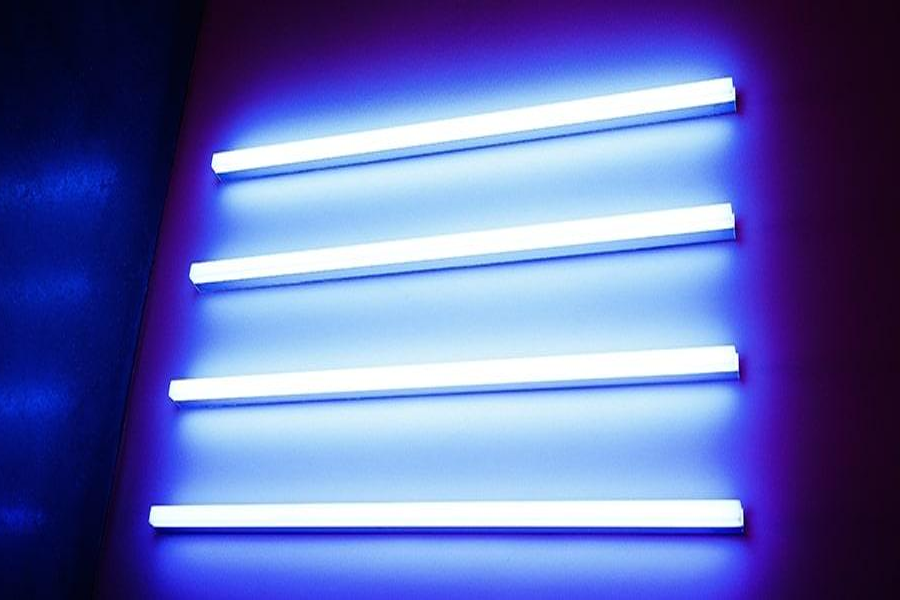
The quality of light plays an important role in both physical and mental health, especially in spaces where people spend a significant amount of time. Fluorescent lighting, when properly designed and used, can create a suitable environment for work and living; however, neglecting its principles may lead to problems.
The uniform light of these lamps is generally suitable for reading and daily activities, but in some cases, flickering or inappropriate light intensity can cause eye strain, headaches, or reduced concentration. This issue is more common in older lamps or systems with improper ballasts. Using standard equipment can significantly minimize these problems.
The color temperature of the light also directly affects visual comfort and mood. Very cool lights may cause eye dryness or discomfort during prolonged use, whereas balanced lighting is more appropriate for work and educational environments. Choosing the right type of light can enhance productivity and reduce eye fatigue.
Ultimately, following ergonomic lighting principles, adjusting brightness levels, and selecting high quality lamps help minimize negative effects. With proper lighting system design, the benefits of fluorescent light can be fully utilized, creating a healthier and more comfortable environment for users.
Maintenance and Extending the Lifespan of Fluorescent Lamps
Proper maintenance of lighting equipment is essential for preserving light quality and reducing additional costs. In systems based on fluorescent lighting, following a few simple steps can increase lamp lifespan and maintain stable performance. One crucial factor is using quality auxiliary equipment, such as a ballast (an electrical device that regulates the current supplied to a fluorescent lamp), which protects the lamp from voltage fluctuations and damage.
Keeping the lamp and fixture clean directly affects brightness. Dust accumulation can reduce light output, giving the impression that the lamp is weakening. Periodic cleaning with a dry or slightly damp cloth, without damaging the lamp body, is recommended.
Frequent switching on and off is another factor that shortens lamp life. In spaces with short term use, appropriate control systems or timers should be employed. Installing lamps in environments with high humidity or extreme temperatures without protective equipment can also reduce lifespan.
Regularly checking lamp performance and promptly replacing defective units prevents strain on other system components. Following these tips ensures optimal light output for a long time and minimizes repair and replacement costs.
Common Mistakes in Fluorescent Lighting
Many lighting issues stem from improper selection or installation of the system. A common mistake in fluorescent lighting is choosing an inappropriate lamp wattage for the size of the space. Using a lamp that is too weak in a large area, or too strong in a small area, reduces light quality or increases energy consumption.
Another frequent error is ignoring the space’s purpose. Using very cool light in relaxation areas, or inappropriate lighting in workspaces, can cause eye fatigue and reduce productivity. Incorrect color temperature is one of the main reasons users are dissatisfied with lighting.
Improper installation and using low quality equipment are also major mistakes. An unsuitable ballast can cause flickering, unwanted noise, or even premature lamp failure. Incorrect spacing between lamps can create unwanted shadows or glare.
Neglecting regular maintenance, not cleaning fixtures, and excessive switching on and off are additional common errors. Awareness of these mistakes and avoiding them helps ensure the lighting system performs better and provides a more comfortable visual experience.
Conclusion
Fluorescent lamp lighting is a widely used and cost effective method for providing illumination in various spaces. With lower energy consumption, reasonable lifespan, and uniform light output, it is a reliable choice for residential, office, and commercial environments. Familiarity with different types of fluorescent lamps, proper selection based on the space’s function, correct installation, and attention to maintenance directly impact light quality and reduce costs.
Additionally, considering eye health, managing energy use, and avoiding common mistakes improve system efficiency. Ultimately, with proper planning and the use of standard equipment, the benefits of fluorescent lighting can be fully realized, creating an effective and comfortable environment.