
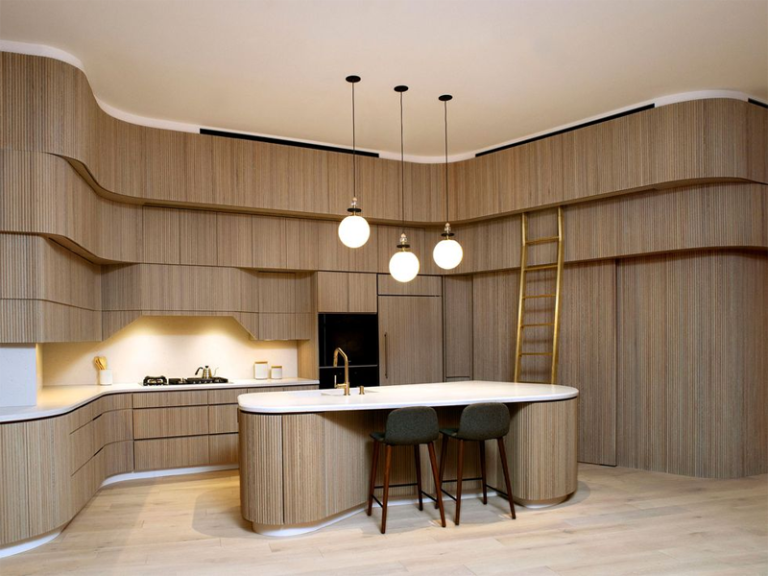
A modern kitchen is a space where minimalist design, clean lines, and high functionality take priority, and lighting plays a crucial role in completing these features. In this style, lighting is not used solely to illuminate the space; it functions as a design element that can influence the atmosphere, perceived dimensions, and even the overall usability of the kitchen.
For this reason, modern kitchen lighting must be purposeful and fully coordinated with the interior architecture. The importance of kitchen lighting can be examined from several perspectives. First and foremost, the kitchen is one of the most frequently used areas of the home.
Activities such as cooking, washing, and food preparation require precise and adequate lighting. Poor lighting can lead to eye strain, reduced concentration, and even safety hazards. On the other hand, well designed lighting can significantly enhance the appearance of cabinets, materials, and colors.
In modern kitchens, a combination of ambient, task, and decorative lighting is commonly used. This layered approach ensures that the space is both functional and visually appealing. Proper lighting also helps define different kitchen zones, such as the cooking area, sink, and island.
Ultimately, effective lighting makes the kitchen not only more attractive but also conveys a sense of order, calmness, and higher quality throughout the home an aspect that is highly important for both everyday users and interior designers.
Principles of Modern Kitchen Lighting
To achieve successful kitchen lighting, several key principles must be considered. The first is understanding the function of the space. A kitchen is an area for detailed tasks, so lighting should be sufficiently bright, evenly distributed, and free from harsh or disturbing shadows. Choosing the right light sources and their installation locations plays a vital role in this process.
The second principle is lighting layering. In modern design, relying on a single central light source is not enough. Combining ambient lighting for overall illumination, task lighting for work surfaces, and decorative lighting for visual interest ensures that the kitchen is both practical and attractive. This approach is one of the foundations of modern kitchen lighting design.
Another essential principle is harmony between lighting, design, and materials. Cabinet colors, countertop finishes, and even flooring directly affect the choice of light color and intensity. Neutral or natural light tones are typically used in modern kitchens to create a clean, bright, and contemporary look.
Lighting control is also a key consideration. Using separate switches or dimming systems allows the lighting to be adjusted based on the time of day or specific activities. This not only improves energy efficiency but also enhances the overall user experience.
Finally, simplicity and order are crucial in lighting design. Overcrowding the space with too many light sources can undermine the philosophy of modern design. Thoughtful selection, a limited number of fixtures, and precise execution are the keys to achieving professional and well balanced lighting.
The Best Lighting Combination for Modern Kitchen Design
One of the most important aspects of lighting and decorative illumination is using the right combination of light sources. In modern kitchens, lighting is most effective when it is not limited to a single source but instead incorporates multiple layers of light working together harmoniously. This combination ensures both functional efficiency and visual appeal. In fact, modern kitchen lighting is built upon this principle of thoughtful layering.
Ambient lighting forms the first layer and is responsible for providing overall illumination. This type of lighting is typically achieved through ceiling fixtures or recessed panels and should evenly light the entire space. Without adequate ambient lighting, even the best task lighting will fail to perform effectively.
The second layer is task lighting, which is used for work surfaces such as countertops, sinks, and cooktops. This lighting helps highlight details and allows daily tasks to be carried out with greater accuracy and safety. Linear lights and under cabinet lighting are especially common for this purpose.
Finally, decorative lighting serves as a complementary element. Its primary role is aesthetic, helping to accentuate specific features such as kitchen islands, shelves, or textured walls. A balanced combination of these three lighting types prevents the kitchen from feeling overly bright and cold or dim and tiring, instead creating a space that is balanced, functional, and visually pleasing.

Ceiling Lighting in a Modern Kitchen
The ceiling is one of the most important elements in kitchen lighting design, as most ambient light sources are typically installed there. In modern interiors, ceiling lighting should be simple, orderly, and aligned with the architectural lines of the space. Overly decorative or visually busy lighting fixtures usually do not match the spirit of modern design. For this reason, choosing the right ceiling lighting plays a key role in the overall success of kitchen lighting.
Recessed lights are among the most popular options for modern kitchen ceilings. They provide even illumination without creating visual clutter and help maintain a clean, minimalist look. The number and spacing of these fixtures should be carefully planned to avoid dark spots or unpleasant shadows.
In some designs, especially in elongated kitchens or those with an island, linear ceiling lighting creates a highly modern and organized appearance. This type of lighting can emphasize the architectural lines of the space and add a greater sense of depth to the ceiling. It can also be combined with suspended or false ceilings to produce indirect lighting effects.
Another important consideration is the color temperature of ceiling lights. Natural white or neutral light tones are generally the best choice, as they make the space appear brighter, cleaner, and more realistic. Light intensity should also be balanced neither so strong that it becomes tiring, nor so weak that it reduces functionality. Overall, when designed correctly, ceiling lighting becomes the main foundation of kitchen illumination.
Cabinet Lighting in a Modern Kitchen
Cabinets are one of the most prominent visual elements in a modern kitchen, and proper lighting can have a significant impact on both aesthetics and functionality. In contemporary designs, cabinet lighting is not merely decorative; it also improves visibility during tasks and enhances visual order. Proper execution of this element plays an essential role in the overall quality of kitchen lighting.
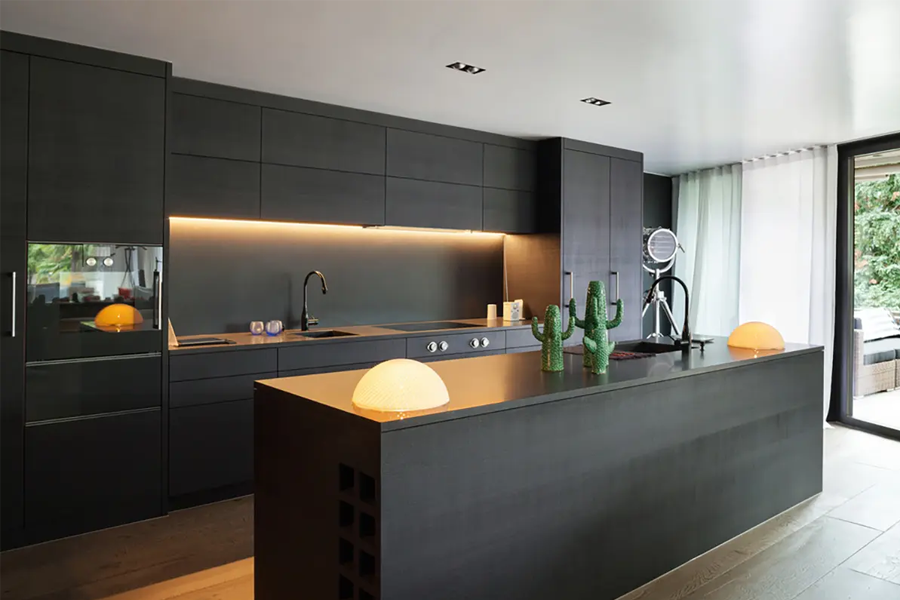
The most common method of cabinet lighting is under cabinet lighting. These lights illuminate the countertop directly and prevent shadows while cooking or preparing food. Choosing linear fixtures with uniform light distribution ensures that work surfaces are fully lit without dark areas. This is especially important in kitchens with dark colored cabinets.
Interior cabinet lighting also holds a special place in modern design. It is often used in glass front cabinets or decorative units and, in addition to improving accessibility, adds a sense of luxury and organization to the space. Soft, non glare lighting is recommended here to maintain visual balance.
When selecting light color for cabinets, natural or slightly warm tones are usually preferred, as they display the true colors of food and surfaces more accurately. Coordinating cabinet lighting with ceiling lights and other light sources helps create a cohesive, professional looking kitchen and enhances the overall user experience.
Hidden Lighting in Modern Kitchen Design
Hidden lighting is one of the most popular elements in interior lighting design. By creating a soft, indirect glow, it makes the kitchen feel calm and inviting. This type of lighting is commonly installed in areas such as suspended ceilings, above cabinets, or beneath certain architectural features, and it plays an important role in completing the kitchen’s lighting scheme.
The main characteristic of hidden lighting is the gentle distribution of light without exposing the source itself. This makes the space appear larger and more organized. In modern kitchens, where simplicity and clean lines are highly valued, hidden lighting adds character to the space without causing visual clutter.
One of the most common applications of hidden lighting is in the ceiling. This approach is particularly effective in kitchens with low ceilings, as it visually increases ceiling height. Hidden lighting above cabinets can also soften the boundary between cabinets and ceiling, adding depth and dimension to the space.
Careful attention must be paid to the color and intensity of hidden lighting. Excessively strong light can disrupt the sense of calm, while lighting that is too weak may fail to create the desired effect. Neutral or slightly warm tones are generally the most suitable choices. When combined correctly with other lighting layers, hidden lighting helps create a modern kitchen that feels balanced, elegant, and contemporary.
Choosing the Right Light Color for a Modern Kitchen
Light color is one of the key factors that influence both the atmosphere and functionality of a kitchen, and a poor choice can negatively affect even the best design. In modern kitchens, the goal is to create a bright, clean, and balanced environment; therefore, light color must be selected carefully based on how the space is used.
This decision plays a major role in the overall quality of modern kitchen lighting. Natural white light is one of the most common choices for modern kitchens. It allows the true colors of food, cabinets, and surfaces to be seen more clearly and gives the space a sense of clarity and order.
For everyday activities such as cooking and food preparation, natural white light also helps reduce eye strain. In some designs, limited use of warm lighting can add a sense of warmth and intimacy, especially in areas like dining spaces or decorative lighting elements.
However, excessive use of warm light may take the space away from a modern aesthetic and create a heavy atmosphere. For this reason, a smart combination of natural white light with small amounts of warm light is often the best solution.
Another important factor is coordinating light color with cabinet colors and materials. White or light colored cabinets typically look best under natural white lighting, while darker cabinets require more precise and controlled illumination. Choosing the right light color ensures that a modern kitchen not only looks more attractive but also performs at a higher functional level.
Island and Countertop Lighting in a Modern Kitchen
In many modern kitchens, the island and countertop are considered the focal points of the space. These areas are not only highly functional but also play a major role in the kitchen’s visual appeal. For this reason, their lighting must be carefully planned and aligned with the overall design. Proper execution of this aspect has a significant impact on the success of modern kitchen lighting.
Task lighting is especially important for illuminating the island and countertop surfaces. Fixtures that direct light precisely onto the work surface allow activities such as food preparation and serving to be performed with greater accuracy and comfort. In modern designs, simple pendant lights with minimalist lines or sleek linear lighting are commonly used for this purpose.
The installation height of these fixtures is a critical factor. If lights are installed too low, they can obstruct the view, while fixtures placed too high may fail to provide sufficient illumination for the countertop. Correct height adjustment ensures even light distribution and creates a clean, professional appearance.
In terms of light color, natural or slightly warm tones are typically chosen for islands and countertops to strike a balance between functionality and aesthetics. Coordinating this lighting with ceiling and cabinet lights is also essential. When island and countertop lighting is designed properly, these elements become both attractive and practical focal points, enhancing the overall kitchen experience.
Common Mistakes in Modern Kitchen Lighting
Despite the importance of lighting, many modern kitchens suffer from lighting issues due to neglecting basic principles. Understanding common mistakes helps prevent unnecessary rework and additional costs while achieving a more professional final result. One of the main reasons for poor modern kitchen lighting is ignoring the actual needs of the space.
One of the most common mistakes is relying on a single central light source. This approach creates shadows in work areas and fails to provide even illumination. A kitchen requires multiple lighting layers to be both functional and visually appealing. Neglecting task lighting in areas such as countertops and sinks significantly reduces usability.
Another frequent mistake is choosing the wrong light color. Lighting that is too warm or excessively cool can create an uncomfortable atmosphere and negatively affect the appearance of materials. Many people select light color without considering cabinet colors or spatial dimensions, resulting in an unbalanced and unprofessional environment.
Incorrect installation in terms of fixture height and angle is also a common issue. Poorly placed lights can cause glare or fail to adequately illuminate the intended surface. Finally, overcrowding the space with too many light sources can undermine modern design principles. Avoiding these mistakes paves the way for a cohesive and well executed lighting scheme.
The Impact of Lighting on the Beauty of a Modern Kitchen
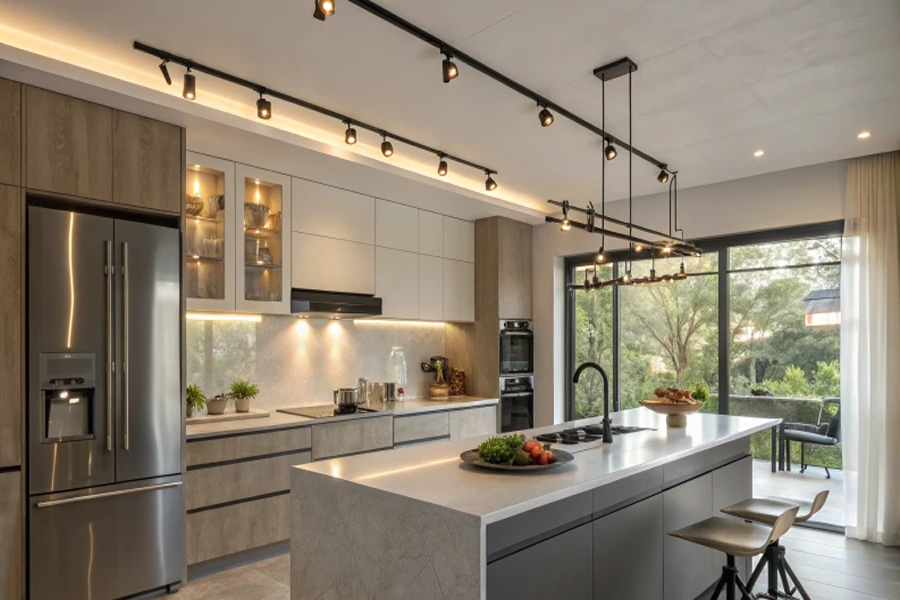
Lighting is one of the most powerful elements that can either enhance the beauty of a modern kitchen or diminish the effect of a well designed space. Proper lighting allows architectural details, materials, and colors to be seen clearly and attractively. As a result, well planned modern kitchen lighting has a direct influence on how the space is perceived visually.
One of the main effects of lighting is highlighting key features of the kitchen. Cabinets, islands, accent walls, and textured surfaces gain a more refined and professional look when illuminated correctly. Lighting reinforces the clean, minimalist lines of modern design and helps the space appear more organized and cohesive.
Lighting also affects the overall mood of the kitchen. Even, balanced lighting creates a sense of calm, while poorly distributed or shadowy lighting can lead to feelings of disorder and discomfort. The thoughtful use of indirect lighting combined with task lighting adds depth and dimension, preventing the space from feeling flat or monotonous.
Visually, lighting can also influence the perceived size of the kitchen. Bright, well controlled lighting makes the space feel larger and more open, whereas dim or overly warm lighting can make it appear smaller. Ultimately, good lighting ensures that a modern kitchen looks not only beautiful but also professional, up to date, and aligned with contemporary lifestyles.
Practical Execution Tips for Modern Kitchen Lighting
After a solid lighting design is established, proper execution becomes equally important. Even the best concepts will fail to deliver results if they are not implemented correctly. Paying attention to execution details can significantly improve the final quality of modern kitchen lighting and help prevent future issues.
The first practical consideration is selecting high quality lighting fixtures. Using reliable, standard compliant lights ensures better illumination, longer lifespan, and reduced need for frequent maintenance or replacement. Visual compatibility with modern design aesthetics is also an important factor when choosing fixtures.
Another key point is precision in fixture placement. Incorrect positioning can lead to unwanted shadows or glare. Before final installation, the exact locations of ceiling lights, under cabinet lighting, and decorative fixtures should be carefully planned to ensure even light distribution throughout the space.
Attention to wiring and infrastructure is also essential. Planning appropriate cable routes and enabling separate control for different lighting sources provides greater flexibility in daily use.
Finally, testing the lighting after installation is crucial to evaluate light intensity and color under real conditions and make adjustments if necessary. Following these execution tips ensures that modern kitchen lighting is not only visually appealing but also durable and highly functional.
Conclusion
Modern kitchen lighting is one of the most important factors in creating a beautiful, functional space that aligns with contemporary living standards. Choosing the right types of lighting, appropriate color temperatures, and proper fixture placement enhances usability and elevates the overall design.
A thoughtful combination of ambient, task, and decorative lighting provides adequate illumination while promoting a sense of order and calm. Attention to execution details and avoidance of common mistakes play a crucial role in achieving a professional, long lasting lighting result.