

Lighting is considered one of the most important elements in interior space design, and its role extends far beyond simply illuminating an environment. In contemporary design, light is recognized as both an aesthetic and functional tool capable of transforming spatial perception, visual dimensions, and even the psychological atmosphere experienced by occupants.
When discussing modern lighting in interior design, the focus is on the purposeful use of light to create balance between beauty, functionality, and comfort within living environments. Modern styles typically emphasize simplicity, minimal lines, and the intelligent use of lighting sources.
Unlike traditional designs that often relied on a single central light source, modern design incorporates layered lighting. These layers include ambient lighting for overall illumination, task lighting for specific activities, and accent lighting to highlight decorative elements.
One of the defining characteristics of contemporary lighting is the integration of new technologies such as LED fixtures, concealed ceiling lighting, and smart lighting systems that allow adjustable brightness levels. In addition to reducing energy consumption, these technologies enable precise lighting control and enhance spatial flexibility.
Color temperature also plays a significant role in modern design. Warm lighting creates a sense of intimacy and comfort, while neutral or cool lighting is more suitable for workspaces and kitchens. Selecting the appropriate color temperature can greatly influence how individuals feel within a space.
From a design perspective, lighting is no longer treated as a separate element; rather, it is considered an integral part of interior architecture. Light can emphasize wall textures, visually increase ceiling height, or make smaller spaces appear larger. For this reason, interior designers often define the lighting scenario before selecting furniture or wall colors.
Ultimately, modern lighting can be described as a fusion of science, art, and technology, aimed at creating environments that are visually appealing, functional, and aligned with contemporary lifestyles.
Why Modern Lighting in Interior Design Matters
Light is a determining factor in how people experience a space. Even the most beautifully designed interior loses its true impact without proper lighting. The importance of modern lighting in interior design lies in its direct influence on visual aesthetics, environmental functionality, and the sense of comfort experienced by occupants.
The first reason for its importance is its effect on spatial perception. Proper lighting can make a small room appear larger or transform a cold and lifeless environment into a warm and inviting one. By using lighting sources strategically, architectural strengths can be highlighted while imperfections become less noticeable.
The second key factor is improved functionality. Each area of a home serves a distinct purpose; kitchens require clear and practical illumination, while living rooms benefit from softer, more relaxing light. Well-planned lighting design enables everyday activities to be performed with greater ease and concentration.
Lighting also has a direct impact on physical and mental well-being. The intensity and color of light can affect energy levels, focus, and even sleep quality. Utilizing natural light during the day and softer lighting in the evening helps regulate the body’s biological rhythm.
From an aesthetic standpoint, lighting plays a crucial role in presenting materials and colors accurately. The textures of wood, stone, or fabric reveal their true character under appropriate lighting conditions. For this reason, many designers use light as a tool to create depth and contrast. Another important consideration is energy efficiency.
Modern lighting systems, through energy-efficient sources and smart controls, reduce energy costs while improving lighting quality. Overall, lighting should not be viewed as a final decorative step but as a strategic element capable of transforming the living experience and achieving harmony between beauty and functionality.
Fundamental Principles of Modern Lighting in Interior Design
Creating a beautiful and functional environment requires adherence to essential lighting principles. Many people assume that selecting a stylish fixture or modern chandelier is sufficient, whereas successful lighting design is the result of careful planning and an understanding of how light functions within a space.
Modern lighting in interior design is based on a combination of scientific and aesthetic principles that establish harmony between light, space, and user needs. The first principle is lighting layering.
In professional design, lighting is divided into three main categories: ambient lighting for general illumination, task lighting for activities such as reading or cooking, and accent lighting for highlighting decorative features. The proper combination of these layers creates visual depth and prevents monotony.
The second principle involves controlling light intensity. Excessive brightness can cause eye strain and reduce comfort, while insufficient lighting diminishes functionality. Using dimmers or adjustable lighting systems allows illumination levels to adapt to different times and activities.
Another essential principle is selecting the appropriate color temperature. Warm lighting is ideal for relaxation areas, whereas neutral or natural light is better suited for work environments. Aligning light color with spatial function significantly influences the overall atmosphere.
The direction of light is another fundamental consideration. Direct lighting creates strong shadows, while indirect lighting softens the environment and promotes a sense of calm. For this reason, concealed and reflected lighting techniques are widely used in modern interiors.
Balance in lighting distribution is equally important. Concentrating light in one area while leaving other areas dark creates visual imbalance. Even distribution of light throughout a space results in a cohesive and visually pleasing environment.
Ultimately, these foundational principles ensure that lighting does more than provide illumination; it becomes a defining element that shapes the character and identity of the interior space.
Types of Modern Lighting in Home Interior Design
In contemporary space design, relying on a single light source is no longer sufficient to meet both the aesthetic and functional needs of a home. Interior designers use multiple types of lighting to create visual balance and enhance spatial efficiency, resulting in environments that feel dynamic, comfortable, and harmonious.
Modern lighting in interior design is fundamentally based on the combination of layered lighting systems. Each layer serves a specific purpose, and together they create a complete and well-balanced lighting experience. Understanding different types of lighting helps ensure that every area of the home is illuminated according to its function, preventing spaces from appearing monotonous or visually dull. Below are the most important lighting types used in modern interior design.
Ambient Lighting
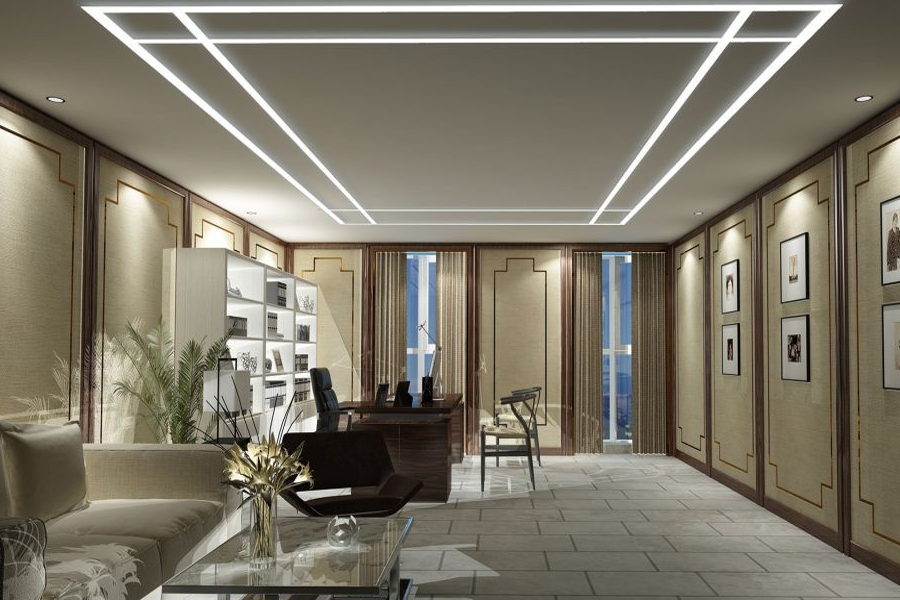
Ambient lighting forms the foundation of illumination in any space and is responsible for providing overall brightness. This type of lighting allows occupants to move comfortably throughout the environment and perform daily activities without visual strain. Ceiling fixtures, LED panels, recessed lights, and linear lighting systems are among the most common sources of ambient lighting.
In modern design, the goal of ambient lighting is to create uniform illumination without harsh shadows. For this reason, diffused or indirect lighting methods are often used to promote a sense of calm and comfort. Selecting the appropriate brightness level is essential, as excessive light intensity can make a space feel cold and uninviting.
Ceiling height and room size also play a significant role in determining suitable lighting fixtures. In smaller spaces, simple and minimal lighting sources help make the environment appear larger, while larger spaces benefit from combining multiple lighting sources. Ambient lighting essentially serves as the base layer for all other lighting types; if it is not properly designed, even the most sophisticated decorative lighting will fail to achieve the desired visual effect.
Task Lighting
Task lighting is designed to support specific activities and focuses on improving visibility and user comfort. This type of lighting is typically used in areas that require higher visual concentration, such as work desks, kitchen counters, dressing tables, or reading areas.
The defining characteristic of task lighting is its directional nature. Unlike ambient lighting, which illuminates an entire space, task lighting concentrates light on a specific area. Desk lamps, under-cabinet lighting, bedside wall lights, and table lamps are common examples.
In professional design, task lighting should be brighter than the surrounding ambient light but must not cause glare or discomfort. Proper beam angles and the use of neutral or natural light tones help enhance concentration while reducing eye fatigue.
One common mistake is relying solely on ceiling lighting without incorporating task lighting. This often creates shadows on work surfaces and reduces functional efficiency. Properly designed task lighting has a direct impact on everyday comfort and productivity within the home.
Accent Lighting
Accent lighting is used to draw attention to specific interior elements. Its purpose is to create focal points and highlight architectural or decorative details. Artwork, textured walls, decorative shelving, and artistic objects are often emphasized through accent lighting.
Accent lighting is typically brighter than the surrounding illumination to ensure that the highlighted element stands out visually. Spotlights, track lighting, and focused concealed lighting are commonly used tools in this approach. When applied correctly, accent lighting adds visual depth and prevents spatial monotony.
This technique is especially important in modern homes, where minimalist styles often rely on fewer decorative elements and lighting becomes a primary tool for visual interest. However, excessive use of accent lighting can create visual clutter. The most effective approach is to select a few key focal points and concentrate light strategically to maintain design balance.
Decorative Lighting
Decorative lighting serves not only as a source of illumination but also as a design element in itself. In this type of lighting, the fixture becomes part of the interior décor. Modern chandeliers, artistic pendant lights, floor lamps, and statement lighting fixtures are typical examples of decorative lighting.
The primary goal of decorative lighting is to establish visual identity and enhance the aesthetic appeal of a space. The form, material, and style of the fixture should align with the overall interior design concept. In modern interiors, lighting fixtures often feature clean lines, geometric shapes, and minimalist aesthetics.
Decorative lighting alone is usually insufficient for overall illumination and is therefore used alongside ambient lighting. Proper placement is essential; for example, a pendant light positioned above a dining table can provide functional lighting while also acting as a focal point within the space.
Decorative lighting offers an opportunity to express personal taste and create either a luxurious or intimate atmosphere within the home. As such, it is considered one of the key elements in completing a cohesive interior design.
The Best Light Sources in Modern Interior Lighting Design
Selecting the appropriate light source is one of the most important decisions in interior lighting design, as lighting quality directly influences visual aesthetics, energy consumption, and visual comfort. In contemporary design, the appearance of a fixture alone is no longer the primary concern; rather, the type of light source itself plays a decisive role in the final outcome.
Modern lighting in interior design focuses on intelligent, energy-efficient, and controllable lighting sources that provide both aesthetic appeal and optimal performance. One of the most widely used and effective lighting solutions today is LED technology. LED light sources consume significantly less energy, offer long operational lifespans, and are available in a wide range of color temperatures.
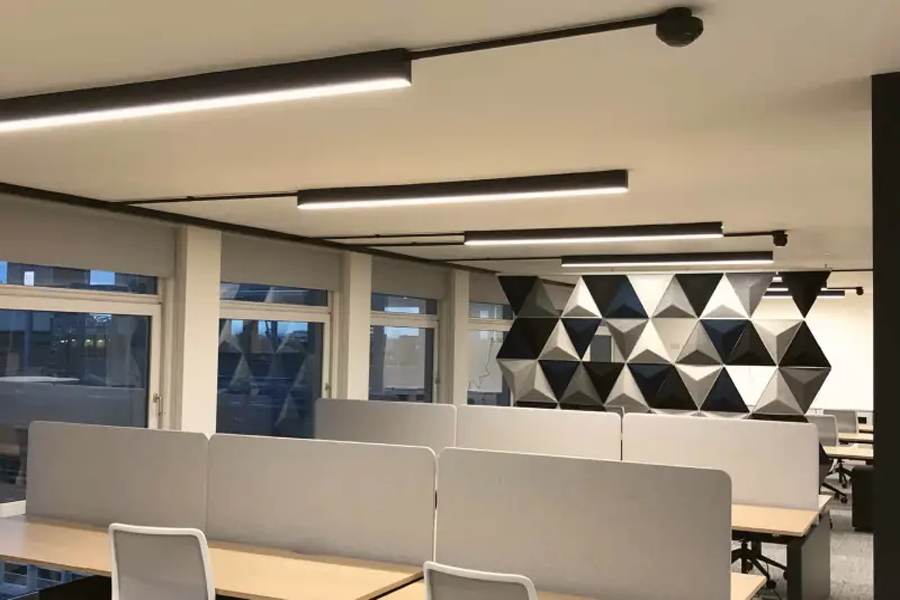
They also produce minimal heat, which makes them particularly suitable for long-term use. For this reason, LEDs have become the preferred choice for interior designers. Another lighting source frequently used in modern design is linear lighting. This type of illumination is commonly integrated into false ceilings, walls, or beneath cabinets, creating a clean and minimalist visual effect.
Linear lighting is especially suitable for modern spaces due to its ability to distribute light evenly. Halogen lights are still used in certain applications, particularly where focused illumination is required. They are effective for accent lighting and highlighting specific elements; however, they consume more energy compared to LEDs.
Another essential source of light is natural daylight, which should be considered a complement to artificial lighting. Proper use of windows, semi-transparent curtains, and daylight reflection can significantly reduce the need for artificial illumination.
Ultimately, selecting the best light source should be based on the function of the space, the required illumination level, and the overall design style. A balanced combination of different lighting sources ensures both aesthetic excellence and professional-level functionality.
The Role of Natural Light in Modern Interior Lighting
Natural light is one of the most valuable elements in interior design, and its impact extends far beyond basic illumination. Daylight can make an environment feel more vibrant, spacious, and calming. Modern interior lighting design aims to create a balance between natural and artificial light so that a space maintains visual quality throughout the day.
One of the primary advantages of natural light is its ability to create a connection with the outdoor environment. Sunlight enhances positive energy and improves occupants’ mood. Studies have shown that spaces with greater access to natural light promote higher levels of concentration and mental well-being.
From a design perspective, natural light presents colors and materials more accurately. Textures such as wood, stone, and fabric appear more authentic under daylight, making interiors feel more lively and natural. For this reason, designers often plan spatial layouts according to the path and movement of sunlight.
To maximize natural light, the use of large windows, lightweight curtains, and light-colored wall finishes is recommended. Reflective surfaces and mirrors can further enhance brightness by distributing light deeper into the space and increasing visual depth.
Another important consideration is controlling light intensity. Direct and excessive sunlight may cause glare or increase indoor temperature. Adjustable shades, blinds, or light-controlling glass solutions help maintain balance.
Ultimately, natural light should complement artificial lighting systems. Successful design occurs when interior lighting seamlessly replaces diminishing daylight, maintaining continuity and visual harmony throughout the space.
Modern Interior Lighting for Different Areas of the Home
Each area of a home serves a different purpose, and therefore its lighting requirements vary. Lighting design is considered successful when it responds directly to how a space is used. Modern lighting in interior design emphasizes that every environment should have its own lighting scenario to simultaneously achieve beauty and functionality.
In the living room, the goal is to create a warm and welcoming atmosphere. A layered approach combining soft ceiling lighting, floor lamps, and accent lighting for walls or artwork adds depth and intimacy. Adjustable lighting is particularly important here, as activities may range from watching television to social gatherings.
The kitchen requires clear and functional illumination. Under-cabinet lighting, linear fixtures, and focused lighting on work surfaces improve safety and precision during daily tasks. Neutral or natural white lighting is generally the most suitable choice for this space.
In the bedroom, lighting should promote relaxation. Warm lighting tones, bedside wall lights, and indirect lighting help create a restful environment. Strong overhead lighting is generally not recommended in this area.
Bathrooms require uniform, shadow-free lighting, especially around mirrors. Combining ceiling lighting with side-mounted mirror lighting improves visibility and reduces unwanted shadows.
Hallways and entryways also benefit from thoughtful lighting design, where illumination serves a guiding function. Linear or wall-mounted lighting enhances aesthetics while creating a sense of safety and spatial direction.
Ultimately, lighting design should reflect the lifestyle of the occupants so that each space performs its intended function in the most effective way.
Common Mistakes in Modern Interior Lighting Design
Many interior spaces, despite having attractive furniture and thoughtful layouts, fail to achieve their full potential due to poor lighting design. Understanding common mistakes can prevent unnecessary expenses and significantly improve the final result. One of the main objectives of modern interior lighting is to avoid these errors while maintaining balance between aesthetics and functionality.
One of the most common mistakes is relying on a single central light source. This approach creates harsh shadows and visual monotony. Professional lighting design always emphasizes multiple lighting layers to introduce depth and balance.
Another frequent error is choosing the wrong light color. Cool white lighting in relaxation areas can create an uncomfortable atmosphere, while excessively warm lighting in workspaces may reduce concentration. Matching light color to spatial function is essential.
Ignoring light intensity is also a common issue. Excessive brightness causes eye strain, while insufficient lighting reduces functionality. The use of dimmers or adjustable lighting systems effectively resolves this problem.
Incorrect placement of lighting fixtures is another major mistake. For example, overhead lighting positioned behind a person while working can cast shadows onto the work surface. The direction and angle of light must be carefully considered.
Neglecting natural light is another widespread error. Blocking daylight with heavy curtains or poor furniture placement reduces overall lighting quality within the space.
Finally, selecting lighting fixtures solely based on appearance without considering performance often weakens the overall design outcome. Successful lighting design is achieved when aesthetics, functionality, and visual comfort are addressed simultaneously.

Combining Light Colors in Modern Interior Lighting Design
The color of light is one of the most influential factors affecting the atmosphere of a space, capable of completely transforming how people perceive an environment. Many individuals focus only on brightness when designing lighting, while color temperature plays a fundamental role in creating both visual and psychological balance.
In professional practice, modern lighting in interior design emphasizes the intelligent selection of light color according to the function of each space. Color temperature is typically measured in Kelvin and is divided into three main categories.
Warm light, characterized by soft yellow tones, creates an intimate and relaxing atmosphere and is highly suitable for bedrooms, living rooms, and relaxation areas. This type of lighting enhances comfort and warmth, making spaces feel more inviting.
Neutral or natural light closely resembles daylight and provides a balanced combination of comfort and focus. It is an ideal choice for kitchens, home offices, and multifunctional spaces because it presents colors more accurately and naturally.
Cool light, which leans toward white or bluish tones, is generally used in work environments or areas that require high levels of concentration. However, excessive use of cool lighting in residential interiors may create an overly cold or impersonal atmosphere.
Properly combining different light colors within a home is essential. Using a single color temperature throughout all spaces can lead to monotony and reduce visual interest. Professional lighting design typically integrates multiple light tones to define the function and mood of each area.
Coordinating light color with wall finishes, materials, and furniture further enhances the natural appearance of a space. A thoughtful choice of lighting color can significantly improve the atmosphere without requiring any changes to the décor itself.
Practical Modern Lighting Ideas for Small Interior Spaces
Small spaces present unique challenges in interior design, and lighting plays a crucial role in making these environments appear larger and more open. Proper use of light can compensate for spatial limitations and create a sense of openness and visual order.
Modern lighting in interior design is, in fact, one of the most effective tools for optimizing compact homes. One of the most important strategies is the use of concealed lighting. Hidden ceiling or wall lighting provides uniform illumination without occupying visual space, making ceilings appear higher and rooms more spacious.
Using wall-mounted fixtures instead of floor lamps is another effective solution. This approach frees up floor area and helps the environment appear cleaner and more organized. Minimalist wall lights not only save space but also reinforce a modern aesthetic.
Layered lighting is also highly effective in small interiors. Combining ambient lighting with accent lighting introduces visual depth and prevents the space from appearing flat or monotonous. Even subtle lighting inside shelves or behind televisions can add dimension and spatial richness.
Linear lighting installed along walls or ceilings guides the eye through the length of a space, making it appear more elongated. This technique is particularly useful in small apartments.
Choosing brighter light tones closer to natural daylight is equally important, as excessively warm lighting may make a small space feel enclosed. Additionally, placing mirrors near light sources increases light reflection and enhances overall brightness.
By applying these strategies, a compact space can appear brighter, larger, and more contemporary without requiring major changes to the existing décor.
Conclusion
Lighting is one of the most essential elements in interior design, capable of simultaneously influencing aesthetics, functionality, and the emotional experience of occupants. As discussed throughout this article, effective lighting design goes far beyond selecting attractive fixtures; it requires an understanding of lighting types, light sources, color temperature, and their appropriate application across different areas of the home.
Modern lighting in interior design achieves optimal results when ambient, task, and accent lighting work together harmoniously and are tailored to the specific function of each space. Attention to natural light, avoidance of common design mistakes, and careful selection of color temperature can significantly enhance the visual quality of an interior environment.
Moreover, applying intelligent lighting techniques in small spaces helps create interiors that appear larger, more organized, and more comfortable. Ultimately, successful lighting design represents a balance between technical knowledge and aesthetic vision, and when properly planned, it creates a home that is calm, functional, and aligned with modern living.