
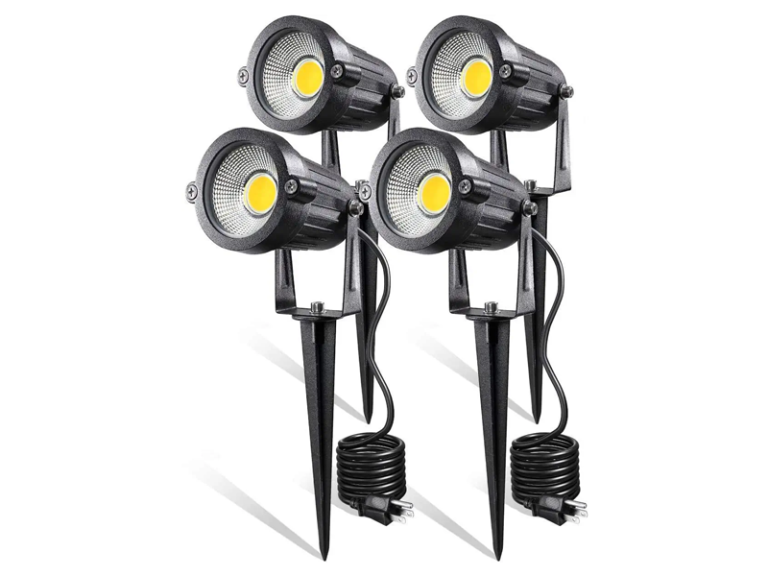
Outdoor lighting is one of the most important elements in the design of landscapes, villas, courtyards, gardens, and building facades. When lighting is implemented correctly, it not only enhances visual aesthetics but also significantly improves environmental safety.
In this context, outdoor lighting equipment refers to a collection of luminaires, light sources, connectors, mounting bases, and control systems specifically designed for outdoor use and engineered to withstand moisture, dust, and temperature fluctuations.
The applications of this equipment are extensive from illuminating walkways and pathways to highlighting architectural elements, lighting trees, fountains, walls, and building facades, all of which are achieved using lighting fixtures designed for exterior environments.
In residential projects, the primary goal is usually to create a sense of comfort and security, while in commercial or public spaces, greater emphasis is placed on attracting attention, improving nighttime visibility, and strengthening brand identity. One of the most important advantages of a well designed outdoor lighting system is enhanced security.
Well lit pathways, entrances, and blind spots help reduce the risk of theft or accidents. Proper lighting design can also increase property value, as an attractive nighttime appearance has a direct impact on a building’s overall appeal.
From a technical standpoint, outdoor luminaires must meet specific durability standards to resist rain, direct sunlight, and physical impact. Choosing the correct fixture type, beam angle, light intensity, and color temperature plays a crucial role in the final quality of the project. Therefore, understanding the applications and features of these products is the first step toward a professional and well informed selection.
What Are the Types of Outdoor Lighting Equipment?
To implement a professional outdoor lighting design, a clear understanding of different lighting fixtures and light sources is essential. Each area of a space requires a specific type of illumination, and using the wrong fixture can significantly affect the final result. For this reason, familiarity with outdoor lighting equipment and its classifications plays a key role in making the right choice.
One of the most widely used options is in ground lights, which are installed within the ground, paving, or courtyard flooring and are ideal for illuminating trees, columns, and building facades. Thanks to their recessed design, these fixtures maintain a clean visual appearance and create a modern aesthetic without cluttering the space.
Lawn and garden lights are also commonly used to illuminate walkways and green areas. These models typically feature poles and distribute light downward or outward to provide sufficient nighttime visibility. To emphasize building facades or walls, wall washers and floodlights are used, offering higher illumination power and enabling both focused and wide beam distribution.
Wall mounted and facade lights are frequently installed at building entrances, parking areas, and courtyards. In addition to providing illumination, they also serve a decorative purpose and are available in both modern and classic designs. Alongside these fixtures, string lights, pool lights, and smart lighting control systems are also considered common components in professional lighting projects.
Each category has distinct technical characteristics, beam angles, brightness levels, and protection ratings. Therefore, proper selection should be based on the type of space, climate conditions, and lighting objectives to achieve a cohesive, safe, and long lasting result.
In Ground Lights and Their Role in Courtyard Lighting
In ground lights are among the most commonly used solutions in landscape lighting design. They are installed within the ground, paving, or courtyard flooring, with only the top surface visible. Due to their recessed installation, these fixtures create a minimal and professional appearance without adding visual clutter to the environment.
In many modern projects, in ground fixtures form an essential part of outdoor lighting equipment. Their primary function is to highlight vertical elements such as trees, columns, walls, and building facades. By directing light upward, they create a striking visual effect with strong nighttime impact.
They can also be used to define pathways in courtyards or around garden beds. From a technical perspective, in ground lights must offer high resistance to pressure, moisture, and dust penetration, as they are installed directly into flooring and exposed to rain and foot traffic. A high protection rating, durable aluminum housing, and tempered glass are key features of these fixtures.
Beam angle and light output should be selected according to the height of the subject. Tall trees typically require focused beams with higher output, while shorter pathways benefit from softer illumination. Warm light is more commonly used in residential environments because it creates a welcoming and relaxing atmosphere.
Ultimately, proper installation and the use of standard connectors play a vital role in extending the lifespan of these fixtures and preventing water ingress and premature damage.
Lawn and Garden Lights in Landscape Lighting
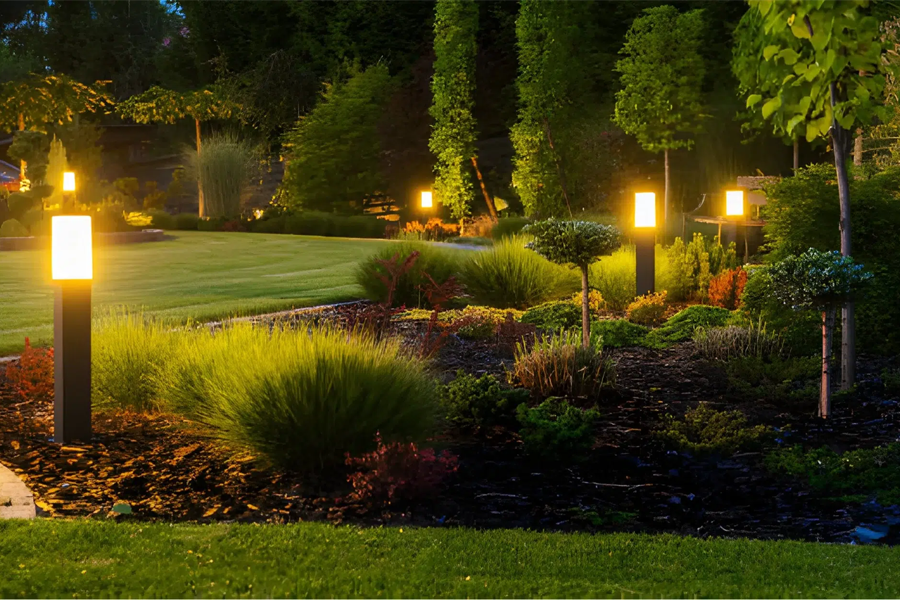
Lawn and garden lights are designed to illuminate walkways, garden borders, and green spaces, and they typically feature poles available in various heights. These fixtures distribute light downward or outward, creating uniform and gentle illumination throughout the environment. In many landscaping projects, they are considered one of the core components of outdoor lighting equipment.
One of the main advantages of garden lights is improved safety along walking paths. When pedestrian routes or villa entrances are properly illuminated, the risk of tripping or colliding with obstacles is significantly reduced. Additionally, the soft distribution of light across green spaces creates a calm and pleasant nighttime atmosphere.
These fixtures are produced in modern, classic, and minimalist designs, allowing them to be coordinated with the architectural style of the building. Rust resistant aluminum bodies, electrostatic powder coating, and appropriate protection ratings are essential features that ensure resistance against rain, sunlight, and temperature variations.
When selecting lawn lights, factors such as pole height, power consumption, beam spread, and light color should be considered. Warm light is more popular in residential environments, while neutral or natural white light is often preferred for larger areas. Using energy efficient light sources also helps reduce long term electricity costs. Proper arrangement of these fixtures along pathways or around garden beds can create an organized and professional visual appearance across the entire landscape.
Outdoor Wall Washers and Floodlights
Wall washers and floodlights are among the most important lighting sources for highlighting facades, perimeter walls, and architectural elements. With higher light output and adjustable beam angles, these fixtures make it possible to create both linear and focused lighting effects. In professional projects, these products are considered key components of outdoor lighting equipment, as they have a direct impact on a building’s nighttime visual appearance.
Wall washers are typically designed in a linear form and distribute light evenly across a wall surface. This feature enhances the visibility of facade materials such as stone, brick, or composite panels. In contrast, floodlights project light in either a concentrated or wide beam toward a specific direction, making them ideal for emphasizing particular sections of a facade, signage, or tall trees.
When selecting these fixtures, special attention should be paid to power consumption, beam angle, color temperature, and protection rating. For residential facades, warm or natural white lighting is generally recommended to maintain a sense of warmth and luxury. Additionally, choosing energy efficient models with long lifespans helps reduce maintenance costs over time.
Proper installation is equally important. Maintaining an appropriate distance from the wall, setting the correct beam angle, and using standard waterproof equipment help prevent glare and unwanted shadows. A well planned lighting design using wall washers and floodlights can strengthen a building’s visual identity and create a professional and striking nighttime appearance.
Wall and Facade Lights
Wall mounted lights are one of the most common choices for illuminating building entrances, courtyards, parking areas, and perimeter walls. In addition to providing functional lighting, these fixtures also serve an important decorative role and can enhance the architectural style of a building. In many residential and commercial projects, they are considered essential elements of outdoor lighting equipment.
Wall lights are produced in classic, modern, and minimalist designs and, depending on the model, can direct light upward, downward, or in both directions. Up and down lighting models create distinctive visual effects on walls and are particularly attractive on stone or concrete facades. This lighting technique produces subtle light and shadow contrasts that make the building more visually appealing at night.
From a technical perspective, resistance to moisture and dust is crucial, as these fixtures are directly exposed to outdoor weather conditions. Durable housing, anti corrosion coatings, and energy efficient light sources are among their key features. Selecting the appropriate wattage based on the size of the space is also important to avoid excessive brightness or insufficient illumination.
In professional designs, wall lights are often installed symmetrically on both sides of entrance doors or at regular intervals along walls to create visual balance. Coordinating the light color with other outdoor lighting sources also contributes to overall spatial harmony.
The Best Outdoor Lighting Equipment for Villas and Gardens
Lighting a villa or garden goes beyond simply illuminating the space; the main objective is to create a pleasant, safe, and visually appealing nighttime environment. Selecting the right outdoor lighting equipment for these areas should be based on the size of the landscape, architectural style, type of vegetation, and required lighting level. Smart use of lighting sources can give outdoor spaces a luxurious and professional appearance.
For walkways in gardens and villas, lawn lights and pole mounted fixtures are ideal because they provide soft, uniform illumination and ensure sufficient visibility for nighttime movement. In areas featuring tall trees, columns, or distinctive architectural elements, in ground lights and spotlights are commonly used; their focused beams help highlight key features.
For villa facade lighting, wall washers or linear floodlights are typically used to enhance textures such as stone or wood through attractive light and shadow effects. If the landscape includes fountains or swimming pools, using waterproof fixtures with high protection ratings is essential to ensure complete safety.

Important Considerations When Choosing Outdoor Lighting Equipment
Selecting the right lighting system for outdoor spaces involves more than just appearance; a combination of technical and design factors must be evaluated simultaneously. Many people make purchasing decisions based solely on price or visual design, whereas proper selection of outdoor lighting equipment requires attention to environmental conditions, intended use, and safety standards.
The first important factor is the fixture’s protection rating (IP rating). Since outdoor lighting products are exposed to rain, dust, and temperature variations, they must meet appropriate durability standards. The higher the IP rating, the greater the resistance to water and particle intrusion.
Another key factor is power consumption and brightness level. Excessively strong lighting can cause glare and light pollution, while insufficient lighting reduces functionality. Achieving balance between installation height, beam angle, and light intensity is essential. Light color selection should also match the intended environment; warm light creates a welcoming atmosphere in residential spaces, while natural or neutral white light is often preferred for modern facades.
The material of the fixture body is equally important. Rust resistant aluminum or durable stainless steel housing increases product lifespan. Additionally, attention should be given to the quality and lifespan of the light source to minimize frequent replacements over time.
Finally, coordinated design and proper fixture placement have a direct impact on the final outcome. Preparing a lighting plan before purchasing is recommended so that selections are made according to a clear strategy and unnecessary expenses are avoided.
Suitable IP Protection Ratings for Outdoor Lighting Equipment
One of the most important technical criteria when selecting outdoor fixtures is the IP (Ingress Protection) rating. This index indicates how resistant a product is against water and dust penetration. Paying attention to this standard when purchasing outdoor lighting equipment is essential, as outdoor environmental conditions can quickly damage low quality fixtures.
The IP code usually consists of two digits. The first digit indicates resistance to solid particles such as dust, while the second digit represents resistance to water ingress. For example, fixtures rated IP65 or higher are generally suitable for outdoor use because they provide reliable protection against water spray and dust.
In environments such as gardens, courtyards, or exterior walls where fixtures are exposed to direct rain, choosing models with higher IP ratings becomes even more important. In areas close to pools or fountains, fixtures with even higher protection standards should be used to ensure complete safety.
Ignoring this factor may lead to moisture penetration, electrical short circuits, and reduced fixture lifespan. Using standard connectors and cables alongside the correct IP rating further helps prevent potential issues. Therefore, before purchasing, always review the technical specifications and select an appropriate protection rating based on the installation location to ensure durable and safe outdoor illumination.
Comparing Outdoor Lighting Equipment Based on Energy Consumption
Energy consumption is one of the most important criteria when selecting a landscape lighting system, as outdoor fixtures typically remain illuminated for long hours throughout the night. Choosing outdoor lighting equipment wisely can significantly reduce electricity costs while improving overall efficiency. For this reason, comparing lighting sources in terms of energy consumption and lifespan is highly important.
In the past, halogen and metal halide lamps were commonly used in outdoor environments, but these sources consumed large amounts of electricity and generated excessive heat. Today, LED lighting has become the primary replacement for these older technologies. In addition to lower energy consumption, LED technology offers a longer lifespan and reduces the need for frequent replacement, ultimately lowering long term maintenance costs.
Another important factor is luminous efficacy the amount of light produced per watt of energy consumed. Fixtures with higher efficiency provide greater illumination while using less power. Furthermore, smart systems such as motion sensors or timers can help optimize energy usage by preventing lights from remaining on unnecessarily.
In large scale projects such as expansive villas or residential complexes, selecting energy efficient lighting becomes even more critical because the number of fixtures is higher, making annual energy consumption differences more noticeable. Therefore, before purchasing, review the technical specifications, power consumption, and luminous flux to achieve a balance between sufficient illumination and energy efficiency.
Guide to Buying Outdoor Lighting Equipment
Purchasing a landscape lighting system requires careful technical and design evaluation. Many buyers select fixtures without proper planning and ultimately face inadequate lighting or unnecessary expenses. To make a well informed choice when purchasing outdoor lighting equipment, several important steps should be considered.
First, define the purpose of the lighting. Are you aiming to illuminate pathways, highlight a building facade, or create a decorative and relaxing atmosphere? The answer to this question determines the type of fixture and beam angle required. Next, evaluate the size of the area and environmental conditions to select the appropriate power level and protection rating.
Product build quality is also essential. Durable housing, anti corrosion coatings, and long life light sources should be prioritized. It is also advisable to consider warranty coverage and after sales service to ensure support in case of potential issues.
Budget is another determining factor; however, choosing the cheapest option is not always the best decision. Investing more in a high quality product can reduce repair and replacement costs over time. Additionally, coordinating fixture design with the architectural style of the building contributes to a more professional final appearance.
Finally, for large or specialized projects, consulting a lighting expert can help prevent common mistakes and ensure a standard, long lasting result.
What Factors Affect the Price of Outdoor Lighting Equipment?
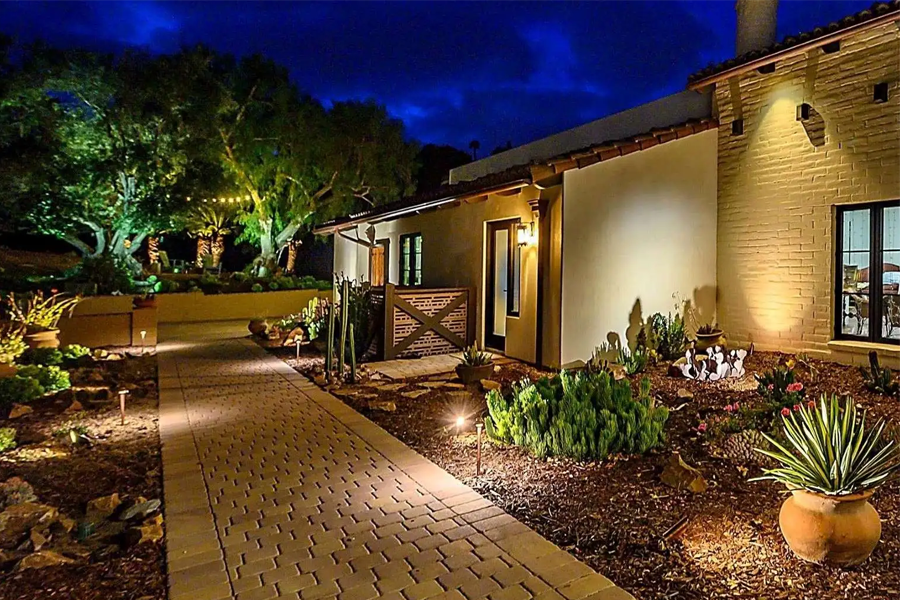
The price of landscape lighting products is not fixed and varies depending on several factors. When evaluating costs, focusing solely on the final price is insufficient; it is equally important to understand which elements influence price increases or reductions. In today’s market, outdoor lighting equipment is available across a wide price range depending on build quality, manufacturer brand, and technical features.
One of the most influential factors is the material and construction quality. Fixtures made with thick aluminum housing, UV resistant coatings, and tempered glass typically cost more but provide greater durability. The IP protection rating also affects pricing; higher resistance to water and dust generally increases manufacturing costs.
The type of light source is another key factor. High efficiency LED fixtures with long lifespans may have a higher initial cost, but due to lower energy consumption and reduced replacement needs, they are more cost effective in the long run. Power output, brightness level, and additional features such as adjustable beam angles or smart control capabilities can also influence pricing.
Market fluctuations and import or domestic production costs may also cause price variations over time. Additionally, reputable brands that meet higher quality standards typically offer products at higher price points.
Ultimately, when making a selection, it is better to consider the overall value of the product a combination of quality, durability, performance, and after sales support to ensure a reliable and economical purchase.
Common Mistakes When Choosing Outdoor Lighting Equipment
In many landscaping projects, incorrect fixture selection reduces the overall quality of the lighting design. Being aware of common mistakes can help prevent unnecessary costs and rework. One of the most frequent errors when purchasing outdoor lighting equipment is choosing products based solely on appearance or low price without considering technical specifications or environmental conditions.
A common mistake is ignoring the appropriate IP protection rating. Using fixtures with low protection levels in humid environments or areas exposed to rain can lead to water ingress and premature failure. Another frequent error is selecting an inappropriate light output; excessively bright lighting may cause glare, while insufficient lighting fails to provide proper functionality.
Lack of consistency in light color across different areas of the landscape can also create visual imbalance. Mixing warm and cool lighting without planning results in a disorganized appearance. Additionally, many users overlook beam angle selection, leading to unwanted shadows or poorly illuminated areas.
Another major mistake is the absence of an initial lighting plan. Installing fixtures without a clear design often results in scattered placement and an unprofessional outcome. Moreover, using non standard wiring and connections may introduce safety risks.
Standards and Safety in Installing Outdoor Lighting Equipment
Safety in outdoor lighting installation should never be overlooked, as exterior environments are constantly exposed to moisture, rainfall, and temperature variations. Following standard principles in the selection and installation of outdoor lighting equipment not only extends fixture lifespan but also prevents potential hazards such as electrical short circuits or electric shock.
The first safety principle is using products with certified standards and appropriate protection ratings. Fixtures designed for outdoor use must be resistant to water and dust penetration. In addition, all connectors, cables, and junction boxes should be specifically designed for outdoor environments to withstand moisture exposure.
Using standard wiring and selecting cables with appropriate capacity is also essential. Incorrect cable selection may lead to voltage drops or system overheating. Installing residual current devices (RCDs) and grounding systems is recommended in large projects to enhance overall safety.
Proper installation methods are equally important. Maintaining appropriate distance from the ground surface, securely fixing fixture bases, and carefully sealing connection points all directly affect the final quality of execution. In areas near swimming pools or fountains, strict adherence to safety regulations becomes even more critical.
Ultimately, installation performed by a qualified technician can prevent many technical issues and ensure that the lighting system operates safely and reliably over the long term.
Conclusion
In outdoor lighting design, selecting the right outdoor lighting equipment is the key to creating a beautiful, safe, and functional environment. Different types of fixtures including in ground lights, lawn lights, wall washers, floodlights, and wall mounted lights each serve specific purposes and should be chosen based on space requirements, beam angle, light color, and protection rating.
Paying attention to energy consumption, safety standards, and construction quality leads to longer lifespan and reduced costs. By following proper selection and installation principles, it is possible to create a cohesive, attractive, and sustainable outdoor space that is both practical and visually appealing.