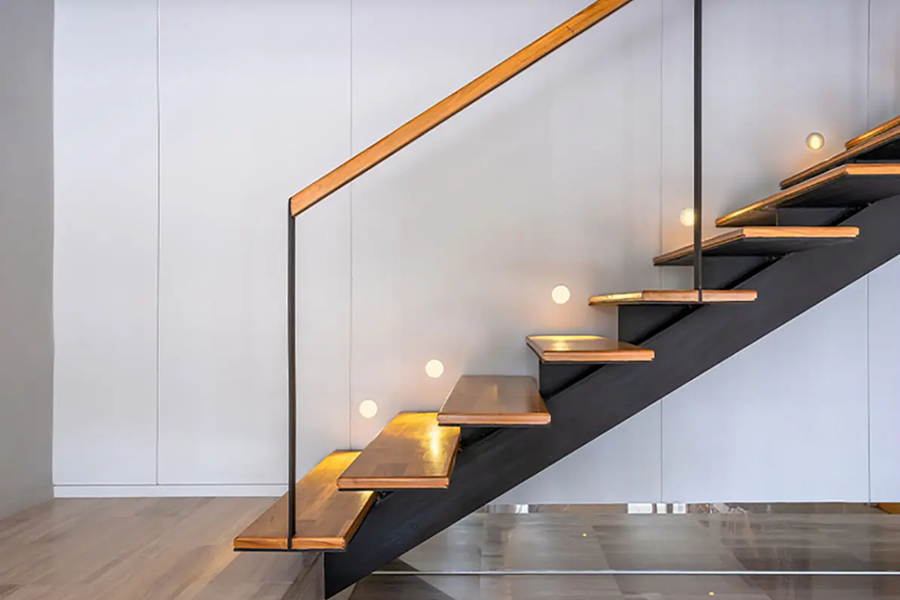
Smart Staircase Lighting is an advanced system that automatically controls stairway illumination using modern technologies. These systems are typically equipped with motion sensors, timers, and central control units that activate the lights only when people are passing through, reducing energy consumption during periods of inactivity.
In addition, many models allow users to adjust light intensity and color to create a safe and pleasant stairway environment. Another key feature of these systems is connectivity to mobile devices or smart assistants, enabling remote control, lighting schedules, and even color changes.
By using these capabilities, it is possible to create a modern and attractive atmosphere for a building while providing a comfortable experience for residents. Beyond aesthetics and convenience, this type of lighting plays a vital role in safety. Automatic illumination when people move through the stairs minimizes the risk of falls or collisions, which is especially important for families with children or elderly members.
Smart systems also help reduce electricity costs and extend the lifespan of lighting fixtures through precise energy management. Overall, this type of lighting is a combination of safety, beauty, and energy efficiency that adds significant value to a building and enhances the modern living experience for users.
Methods of Smart Staircase Lighting
To achieve optimal and safe lighting, various methods are used in smart staircase lighting. One of the most common methods is the use of sensor based lights, which activate illumination by detecting movement and turn off after people pass. This method improves safety while also reducing energy consumption.
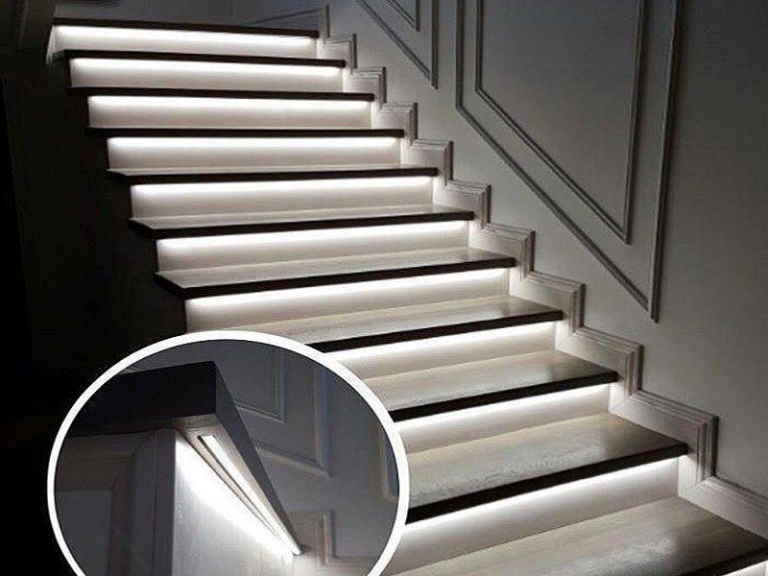
Another method involves smart timers that activate lighting during specific time intervals. This approach is suitable for areas with regular traffic and allows lighting to be programmed throughout the day and night. A third method is linear lighting or concealed LED strips installed along the sides of the stairs, which enhance aesthetics while clearly defining the walking path and preventing falls or collisions.
This lighting style can feature adjustable brightness and color, giving the staircase a modern and professional appearance. In addition, combining multiple methods such as using both motion sensors and concealed LED lighting is common, providing safety, beauty, and energy efficiency at the same time.
Some systems also offer connectivity to mobile applications, allowing remote control of the lighting. Overall, various smart lighting methods enable you to adjust illumination based on your needs and interior design style, creating a safe, comfortable, and modern experience in indoor pathways.
Benefits of Using Smart Staircase Lighting
Using smart staircase lighting offers numerous benefits, making it a popular choice in modern homes and buildings. The first and most important advantage is enhanced safety. Smart lights turn on by detecting movement, helping to prevent accidents and falls on the stairs. This feature is particularly important for families with children or elderly individuals.
The second benefit is reduced energy consumption. Traditional systems often remain on continuously and consume a large amount of electricity, while smart lights operate only when needed. This results in significant savings on electricity costs and a reduced environmental impact.
From an aesthetic perspective, these systems allow adjustment of light intensity, color, and lighting effects, creating better harmony with interior décor and giving staircases a modern look. Some models even support mobile connectivity and remote control, offering users greater convenience and a more advanced experience.
Another advantage is the extended lifespan of lighting fixtures. By operating only when necessary and managing energy efficiently, wear on the lights is reduced, making maintenance easier. Therefore, smart staircase lighting not only enhances safety and visual appeal but also contributes to economic savings and optimal energy management, delivering a comfortable and modern experience for users.
Types of Smart Staircase Lighting Systems
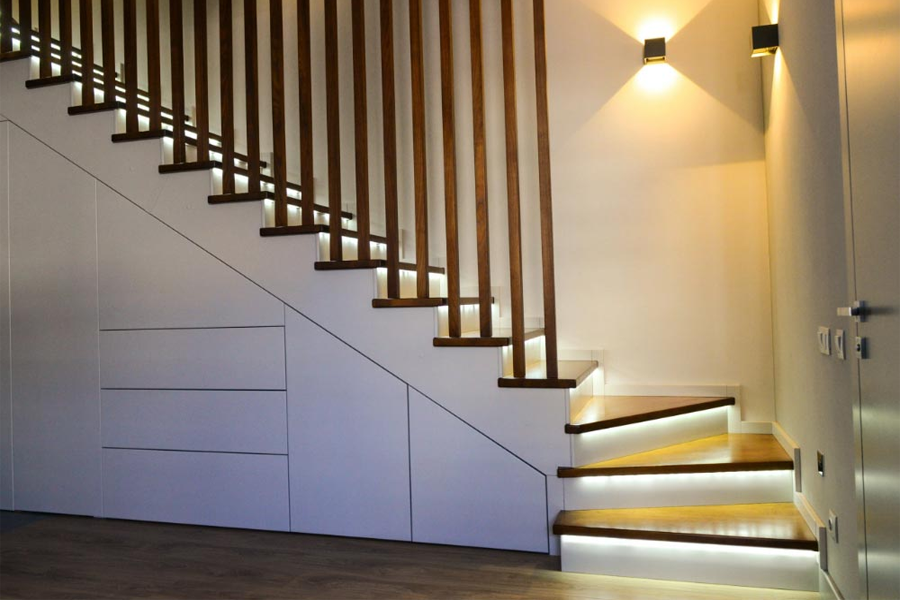
Smart staircase lighting includes various types of systems with different features and technologies, each suitable for specific environments. One of the most common systems is motion sensor lighting, which turns on by detecting human movement and ensures safe passage. These systems are widely used in homes, apartment buildings, and commercial spaces.
Another type is timer based systems, which manage lighting during predefined time intervals. These systems are ideal for buildings with regular foot traffic and help reduce energy consumption. Linear or strip LED lighting systems are also very popular, as they not only illuminate the pathway but also add a modern and luxurious appearance to the staircase area.
This type of lighting allows adjustment of brightness and color to match the interior décor. Some more advanced systems offer connectivity to mobile applications or remote controls, allowing users to schedule and manage lighting from anywhere. Additionally, combining multiple systems such as concealed LED lighting with motion sensors enhances safety and improves overall lighting effects.
Motion Sensor Lights or Timer Based Lights: Which Is Better?
When choosing a lighting system for smart staircase lighting, there are two main options: motion sensor lights and timer based lights. Motion sensor lights turn on when they detect movement and switch off after people pass. This system is highly effective for improving safety and reducing energy consumption, especially in areas with low or irregular traffic.
The main advantage of motion sensor lights is their fast and automatic response to human presence, which significantly reduces the risk of falling or colliding on the stairs. Timer based lights, on the other hand, turn on and off according to a scheduled program and are more commonly used in areas with predictable and regular traffic.
This type of system is suitable for office buildings or residential complexes with consistent movement during specific hours and simplifies energy management. However, timer based lights may not turn on during unexpected times, making them less ideal for ensuring complete staircase safety.
In many modern buildings, a combination of both systems is commonly used, meaning lights are equipped with both motion sensors and timer settings. This approach ensures safety and convenience for occupants while optimizing energy consumption. In summary, the choice between motion sensor and timer based lighting depends on the space’s needs, traffic volume, and the importance of energy efficiency.
The Role of Smart Lighting in Enhancing Staircase Safety
One of the most important reasons for using smart staircase lighting is to increase safety in indoor circulation areas. Automatic activation of lights when people pass significantly reduces the risk of falls, collisions, or injuries on stairs. This feature is especially important for families with children, elderly individuals, or people with limited night vision.
In addition to automatic lighting, adjusting brightness and light color also plays a crucial role in safety. Soft yet sufficient lighting clearly defines stair paths, reduces eye strain, and improves focus while moving. Using linear lights or concealed LED strips along stair edges further highlights steps and corners, helping to prevent slipping.
Smart systems also allow lighting schedules and mobile connectivity, making it easy to control the environment even when no one is present. By reducing unnecessary lighting time and precisely managing energy use, lights generate less heat, which lowers the risk of heat related incidents or technical failures.
Overall, smart staircase lighting not only gives buildings a modern appearance but also creates a safe and reliable environment for nighttime movement, significantly reducing the likelihood of accidents. This combination of safety and convenience is one of the main reasons these systems have become popular in both residential and commercial buildings.
Staircase Lighting Design in Modern and Classic Styles
Staircase lighting design plays an important role in the overall aesthetics and appearance of a building, and the use of smart staircase lighting makes it possible to adapt the lighting to different interior design styles. In modern designs, concealed LED lights, linear light strips, and motion sensor fixtures with minimalist designs are commonly used.
This type of lighting highlights the lines of the staircase and gives the space a modern, clean, and transparent feel. In classic styles, small wall mounted lights with soft illumination or decorative ceiling fixtures are more commonly used. The use of warm light tones and gentle shadows creates a sense of comfort and calm while ensuring safe movement along the stairs.
Combining smart lighting with these styles allows for controlled illumination and adjustable brightness based on time and usage needs. Beyond aesthetics, proper lighting emphasizes architectural details and the materials used in the staircase. For example, concealed lighting beneath the steps or side mounted LED fixtures both define the pathway and create a professional and luxurious appearance.
Choosing the right color temperature, brightness level, and type of fixture according to the interior space is highly important and can significantly enhance visual experience and ease of movement on the stairs. Ultimately, integrating modern or classic design with smart lighting systems is an ideal solution for creating a safe, beautiful, and functional environment that increases property value and delivers a modern, professional experience for users.
Installation of Smart Staircase Lighting Systems
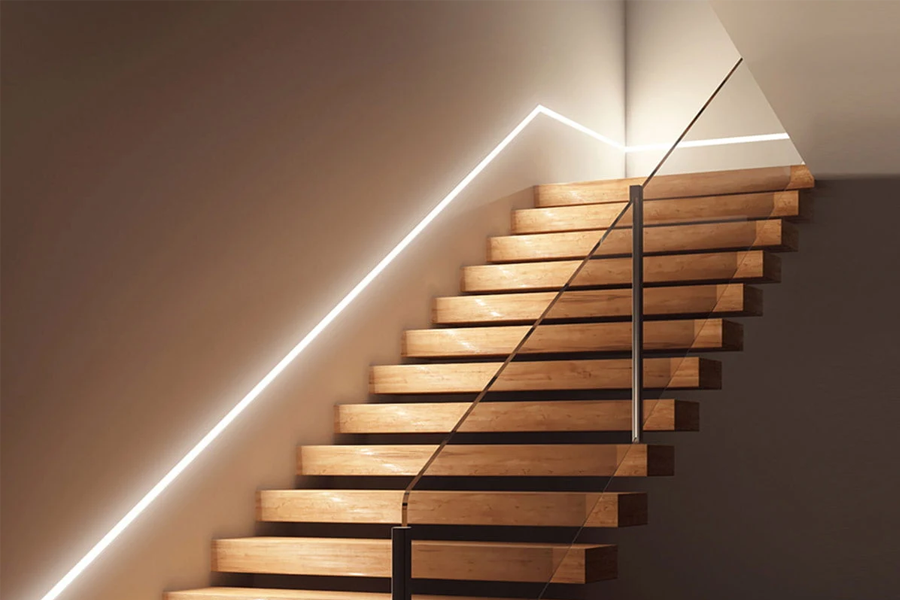
Installing smart staircase lighting requires careful planning and proper selection of equipment to ensure optimal performance and safety. The first step is determining the type of lighting fixtures and system required. Depending on the needs, motion sensor lights, timer based lights, or a combination of both can be used.
The appropriate choice is made based on traffic frequency, stair height, and interior décor. The next step involves installing cables and electrical components. It is recommended to use standard, heat resistant wiring to guarantee system safety. Installing fixtures at the correct height and angle to fully illuminate the stair path is critically important.
For motion sensor lights, adjusting sensitivity and detection range is essential to ensure timely activation and optimized energy consumption. In the final stages, software configuration and system programming are completed. Many smart lighting systems can be connected to mobile applications, allowing users to remotely control lighting schedules, brightness, and even color settings.
After full installation and testing, the staircase is ready for use, offering improved safety along with a modern and attractive appearance. Overall, proper installation and careful planning are the key to effective use of smart staircase lighting and ensure long lasting, cost efficient, and safe system performance.
Best Smart Staircase Lighting Brands
Choosing the right brand for smart staircase lighting is highly important, as the quality, durability, and performance of the system depend on the product brand. Reputable brands typically offer lighting fixtures with accurate sensors, low energy consumption, and modern designs that allow adjustment of brightness and light color. These products usually come with valid warranties and after sales support, ensuring a longer lifespan.
Domestic brands provide cost effective lighting solutions suitable for residential buildings, offering easy installation and reduced overall costs. These fixtures often comply with safety standards and are a practical choice for small to mid sized projects.
In contrast, international brands especially European and Asian manufacturers are known for advanced technology and luxurious designs. In addition to high performance, these products give staircases a modern and professional look and are often compatible with smart home systems.
Beyond brand selection, paying attention to technical specifications such as LED lifespan, brightness level, beam angle, and energy consumption is essential. Choosing the right combination of these features and a reputable brand ensures that smart staircase lighting is not only safe and efficient but also visually appealing, providing users with a long lasting and modern lighting experience.
Cost of Smart Staircase Lighting
The cost of installing and setting up smart staircase lighting depends on several factors that should be considered before making a decision. The first factor is the type of system selected; motion sensor lights typically involve a moderate cost, while concealed LED lighting or advanced hybrid systems are generally more expensive.
In addition to the type of lighting, the brand and product quality also affect the overall cost. Reputable domestic brands are usually more affordable than international brands; however, foreign products often offer higher durability and performance, providing long term energy savings.
The size and number of stairs also play a role in determining installation costs. In larger buildings or staircases with complex designs, more lighting fixtures and more intricate wiring are required, which increases the total project cost. Furthermore, professional installation using standard equipment may involve higher initial expenses, but it ensures system quality, safety, and reliable performance.
Despite the initial investment, the long term economic benefits are significant. Reduced electricity consumption, lower maintenance costs, and extended lifespan of lighting fixtures make smart staircase lighting a cost effective investment that also increases property value.
Conclusion
Using smart staircase lighting provides a combination of safety, aesthetic appeal, and energy efficiency. These systems enhance stairway safety and comfort through automatic illumination, adjustable brightness and color, and connectivity to mobile devices or timers.
Choosing the right lighting method, fixture type, and a reputable brand ensures system quality and longevity while reducing energy consumption and maintenance costs. Coordinating the lighting design with modern or classic interior styles further enhances the visual appeal of the space. Ultimately, this technology delivers a modern, safe, and economical experience for users.