
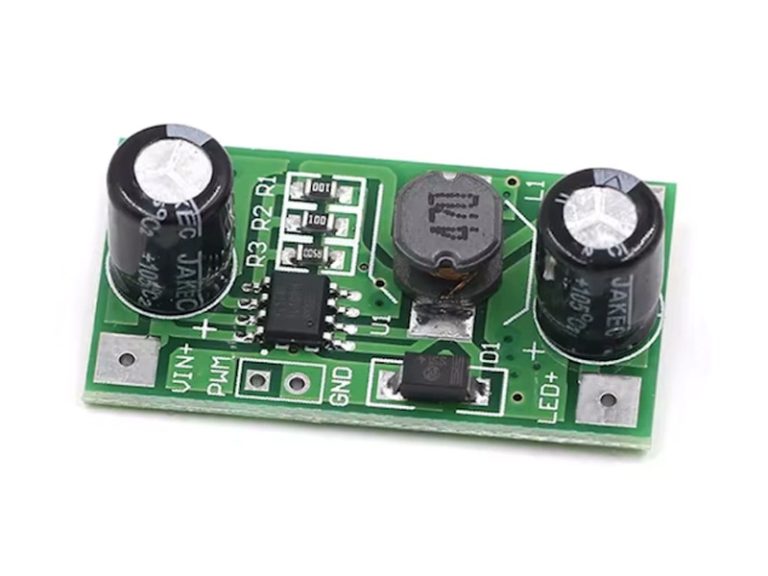
LEDs have become widely used in modern lighting due to their high energy efficiency and long lifespan. To ensure proper operation and protect these light sources, the use of current and voltage control equipment is essential. One of the most important tools in this field is the LED Step Down driver, which reduces the input voltage to a suitable level for the LED and supplies the required current.
In fact, this type of driver controls the electrical current in a step by step manner to prevent fluctuations and damage to the LEDs. Their precise operation ensures that voltage and current remain stable even in systems with a large number of LEDs. Without this control, there is a risk of burnout or reduced lifespan of the light sources.
Another advantage of using these devices is energy optimization. By reducing excess voltage and balancing power consumption, the efficiency of the lighting system increases and energy costs are reduced. This feature is especially important in large projects such as street lighting or industrial applications.
Step by step drivers typically include components such as MOSFETs, transistors, inductors, and capacitors that manage the input current and produce a stable output. Some models also allow current adjustment, making them compatible with different types of LEDs and providing high flexibility for lighting designers.
Overall, this type of driver is a key tool for protecting and controlling LEDs. Its use increases lifespan, reduces energy consumption, and ensures stable performance of lighting systems. These drivers are widely used in applications ranging from small household projects to large industrial systems.
How an LED Step Down Driver Works
The operation of this type of equipment is based on reducing the input voltage to the level required by the LEDs. In a standard circuit, the input power enters control components that gradually lower the voltage and deliver the appropriate current to the LEDs. This process allows the LEDs to operate safely with consistent brightness.
One of the most important components in these systems is the inductor, which stores current and releases it gradually to the output to maintain a stable voltage. Capacitors also play a smoothing role and help prevent fluctuations. As a result, the output current remains stable and safe, optimizing the performance of the light sources.
Another advantage of these devices is their ability to operate under varying input voltage conditions. Even if the input power fluctuates, the system can still deliver a constant current to the LEDs, preventing light quality degradation or damage. Many models also offer adjustable output current or voltage to match different types of light sources.
With this design, lighting systems remain stable and safe, and the lifespan of LEDs is increased. This has made step by step drivers one of the primary choices in modern lighting projects, helping optimize energy consumption and protect equipment.
Advantages of Using an LED Step Down Driver
Using an LED Step Down driver in lighting systems offers numerous advantages, making it popular in residential, commercial, and industrial projects. The first benefit is precise control of LED current and voltage. By regulating the input power step by step, these devices prevent damage to light sources and extend their lifespan. This is especially important for sensitive LEDs and systems with a large number of lights.
Another advantage is reduced energy consumption. By lowering excess voltage and preventing power loss, the lighting system operates more efficiently. This is particularly significant in large industrial or street lighting projects where power consumption is high and energy costs need to be minimized.
The flexibility of these drivers is also a strong advantage. Some models allow output current adjustment, making them suitable for use with various types of LEDs. This capability enables the creation of professional and combined lighting systems with stable performance, without concerns about incompatibility or LED damage.
Additionally, installation and setup of these drivers are relatively simple and do not require complex technical expertise, making them suitable for small and medium sized projects. Protection against overcurrent and short circuits is another feature that enhances system safety.
In conclusion, energy efficiency, extended LED lifespan, and stable lighting system performance are among the main reasons why step by step drivers are essential. They have become one of the key components in the design of modern lighting systems, contributing to energy optimization and equipment protection.
Types of LED Step Down Drivers
In the lighting equipment market, various types of LED Step Down drivers are available, each designed for specific applications. One common classification includes linear and switching drivers. Linear drivers reduce the current gradually and are suitable for small systems or low current LEDs. They are simple and cost effective, but their energy efficiency is lower compared to more advanced models.
Switching drivers offer more advanced performance by controlling the current through high speed pulses to maintain a stable and constant output voltage. This feature makes them ideal for large industrial systems, street lighting, or LED installations with a high number of light sources, while also reducing energy loss.
Another classification is based on current adjustability. Some models provide a fixed output current and are suitable for standard LEDs, while adjustable drivers allow compatibility with different types of LEDs. This flexibility makes it easier to select the right driver for mixed or complex projects.
Additionally, some drivers include built in protection against overcurrent, short circuits, and excessive temperature to ensure system safety. Choosing the correct type of driver depends on the number of LEDs, the application, and the importance of energy efficiency, helping designers achieve optimal performance and extended lifespan in their lighting systems.
Common LED Step Down Driver Circuits
In lighting system design, selecting the appropriate circuit for an LED Step Down driver is very important. These drivers are generally designed to reduce input voltage and control output current, and various circuit topologies are used to achieve this goal. One common design is the linear circuit, which gradually reduces current and provides a stable output. These circuits are simple and reliable, making them suitable for small LEDs or residential lighting systems.
Another widely used design is the switching circuit. In this topology, the voltage is reduced using fast switching pulses while maintaining a constant output current. This results in improved energy efficiency and stable LED operation. Switching circuits are well suited for industrial systems, street lighting, and projects with a large number of LEDs.
Some circuits also include built in protection features such as overcurrent protection, short circuit protection, and thermal protection. These features extend the lifespan of the equipment and ensure the safety of the lighting system. In addition, certain circuits allow output current adjustment, enabling a single driver to be used with different types of LEDs.
Overall, selecting the appropriate circuit for a step down driver depends on project requirements, the number of LEDs, and the importance of energy efficiency. The circuit must be capable of delivering stable current, protecting the LEDs, and minimizing energy consumption to ensure long term reliability and high performance of the lighting system.
How to Choose an LED Step Down Driver
Choosing the right LED Step Down driver for a lighting system is critically important, as an incorrect selection can reduce LED lifespan and decrease energy efficiency. The first step is to determine the required current and voltage of the LEDs. A driver that does not provide the proper current or voltage cannot adequately protect the LEDs and increases the risk of failure.
The next step is to consider the application. For small residential projects, linear drivers are often sufficient, while for industrial systems or projects with a large number of LEDs, switching drivers with higher energy efficiency are the better choice. It is also essential to review protection features such as overcurrent, short circuit, and thermal protection to ensure system safety.
Flexibility and current adjustability are also important factors. Some drivers provide a fixed output current and are suitable for standard LEDs, whereas adjustable models allow compatibility with a wider range of LED types. This capability enables a single driver to be used in mixed or expandable projects.
Finally, build quality and manufacturer reputation play a significant role in long term performance. Selecting a product that meets international standards and offers high efficiency not only reduces maintenance costs but also ensures a longer lifespan for the lighting system. By considering these factors, designers can select the most suitable step down driver circuit for any project and ensure stable, safe, and efficient operation.
Applications of LED Step Down Drivers in Lighting
The use of LED Step Down drivers in the lighting industry is widespread due to their precise control of current and voltage. These devices are commonly used in residential, commercial, and industrial LED lighting systems, significantly increasing the lifespan of light sources. One of the most important applications is street lighting and outdoor environments, where LEDs must operate under varying input voltage conditions and for long periods of time.
In addition, these drivers are widely used in advertising displays and architectural facade lighting. Accurate current control and voltage fluctuation reduction ensure that LEDs operate with uniform brightness and without degradation in light quality. This feature is particularly valuable in projects where consistent illumination is critical.
Another important application is in dimmable or adjustable lighting systems. By utilizing current regulation capabilities, the brightness of LEDs can be adjusted without causing damage, enabling smart lighting control. These drivers are also suitable for mixed systems using different types of LEDs, providing high flexibility in lighting design.
Overall, step by step LED drivers are considered essential components in all lighting projects. From small residential fixtures to industrial and street lighting systems, these devices ensure stable performance, optimized energy consumption, and effective protection of LEDs.
Comparison Between LED Step Down and Step Up Drivers
In lighting system design, understanding the differences between driver types is essential. An LED Step Down driver reduces the input voltage and current to allow LEDs to operate at a suitable level, while Step Up drivers are designed to increase voltage. This fundamental difference makes each type optimal for specific applications.
Step Down drivers are ideal for LEDs that require lower operating voltage and primarily focus on protecting light sources and improving energy efficiency. In contrast, Step Up drivers are used for LEDs with higher voltage requirements or in systems with low input voltage, boosting the voltage to provide sufficient illumination.
Another key difference lies in energy efficiency. Step Down drivers generally offer higher efficiency in minimizing energy loss by reducing excess input current in a controlled manner. Additionally, current regulation and built in protection features in many Step Down models allow LEDs to operate safely under varying conditions.
Based on these differences, selecting between Step Down and Step Up drivers depends on the LED type, input voltage, and project requirements. In many modern lighting systems, LED Step Down drivers are the more common and cost effective choice due to their precise current control and optimized energy consumption.
Best LED Step Down Drivers
Choosing the right LED Step Down driver from the available market options is crucial, as the quality and performance of the lighting system depend on it. Some of the best models offer features such as high energy efficiency, overcurrent and short circuit protection, and adjustable output current. These capabilities help extend LED lifespan and maintain stable operation under different conditions.
Well known brands typically manufacture high quality switching drivers that are well suited for industrial and commercial projects with a large number of LEDs. Smaller residential and commercial drivers are also available with simple designs and affordable pricing, making them ideal for low current LED applications.
When selecting the best driver, factors such as LED current and voltage requirements, application type, number of LEDs, and the importance of energy efficiency should be carefully considered. Choosing a driver that meets international standards and offers high efficiency not only reduces maintenance costs but also ensures stable and safe lighting system performance.
In general, the best LED Step Down drivers combine build quality, comprehensive protection features, high energy efficiency, and flexibility, ensuring reliable and optimized performance for both small scale and industrial LED lighting projects.
Conclusion
In this article, we explored the importance and applications of LED Step Down drivers in lighting systems. These devices regulate LED current and voltage, protect light sources from damage, and improve energy efficiency. By understanding the different types, advantages, and common circuit designs, it becomes easier to select the most suitable driver for any project.
Proper driver selection not only extends LED lifespan but also ensures safety and stable lighting system performance. Using high quality, standardized drivers allows residential, commercial, and industrial lighting projects to be implemented efficiently, reliably, and at lower overall cost.